

Introduction
Building an Indoor Pool at Home: What You Need to Know is a complete guide for homeowners planning to add a private indoor swimming pool. An indoor pool is not just a luxury feature; it is a long-term investment that affects your home structure, energy usage, ventilation system, and overall lifestyle.
Unlike outdoor pools, indoor pools require precise planning because they exist inside a controlled environment where humidity, temperature, air circulation, and waterproofing must all work together seamlessly.
This guide explains planning steps, structural requirements, design ideas, costs, maintenance needs, and expert insights to help you make informed decisions before starting construction.
What Is an Indoor Pool?
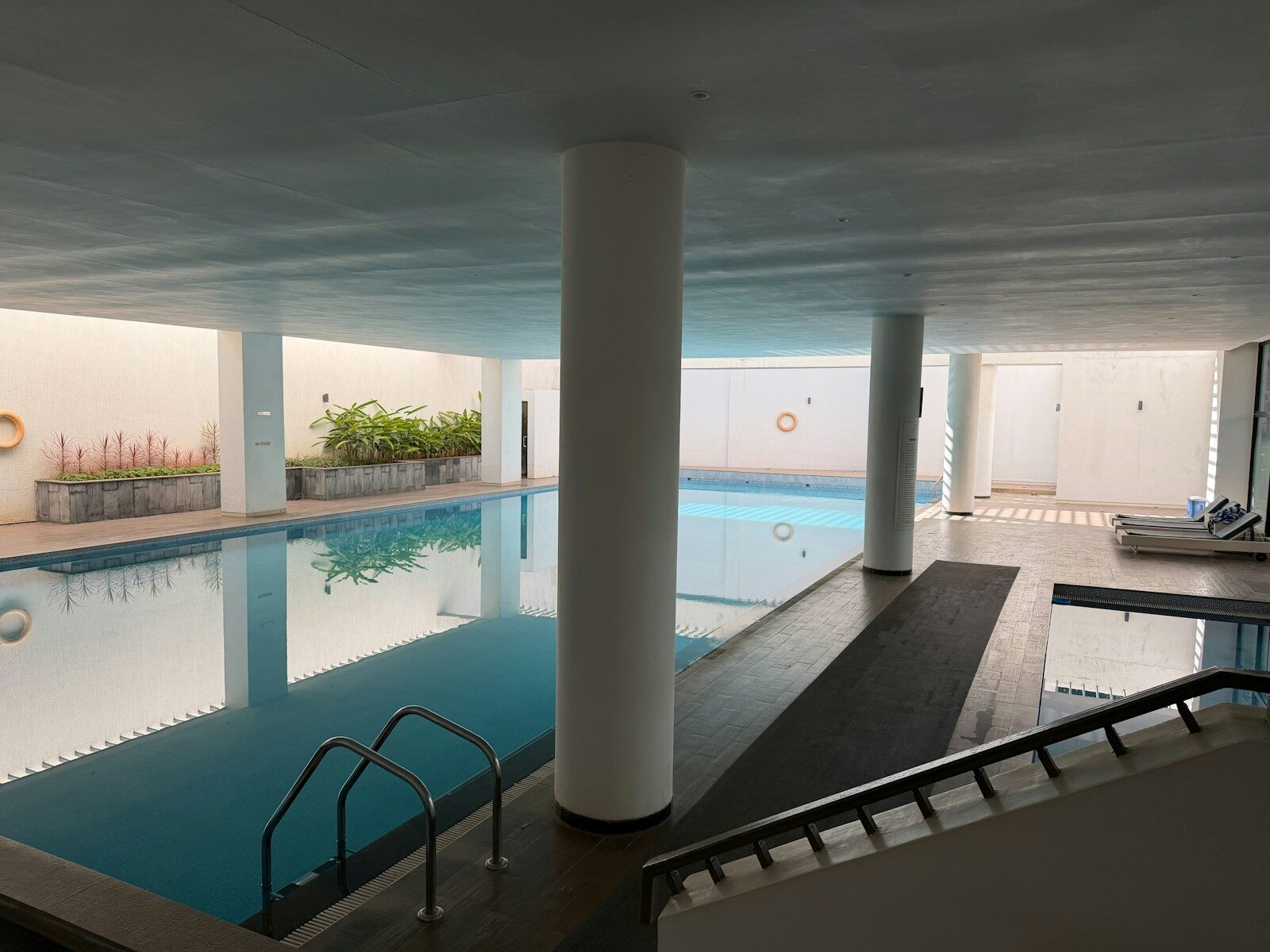
An indoor pool is a swimming pool built inside a dedicated enclosed structure or integrated within a home layout, designed for year-round use regardless of weather conditions.
Key Characteristics
- Fully enclosed structure
- Climate-controlled environment
- Advanced ventilation systems
- Waterproof construction materials
Expert Insight: The success of an indoor pool depends more on humidity control and ventilation than on the pool itself.
Benefits of Having an Indoor Pool
1. Year-Round Use
You can swim regardless of weather conditions, making it ideal for all seasons.
2. Privacy
Indoor pools offer complete privacy compared to outdoor installations.
3. Increased Property Value
A well-designed indoor pool can significantly increase luxury appeal.
4. Controlled Environment
Water temperature and air quality can be fully managed.
5. Health and Fitness Convenience
Easy access encourages regular exercise.
Planning an Indoor Pool
1. Space Requirements
Indoor pools require dedicated space with enough clearance for ventilation and maintenance.
Minimum Considerations
- Pool size
- Deck space
- Mechanical room
- Ventilation area
2. Structural Design
The building must support water weight, humidity exposure, and equipment load.
Key Elements
- Reinforced flooring
- Waterproof walls
- Moisture-resistant materials
3. Location in Home
Common placements include:
- Basement
- Ground floor extension
- Dedicated pool house
Indoor Pool Design Ideas
1. Modern Minimalist Pool
- Clean lines
- Neutral colors
- Glass walls
2. Luxury Spa Style
- Warm lighting
- Natural stone finishes
- Relaxation zones
3. Lap Pool Design
- Long rectangular shape
- Focused on fitness
4. Resort-Style Indoor Pool
- Tropical plants
- Water features
- Ambient lighting
Essential Systems for Indoor Pools
1. Ventilation System
Proper airflow prevents mold and humidity damage.
2. Dehumidification System
Controls moisture levels in the air.
3. Heating System
Maintains comfortable water temperature.
4. Filtration System
Keeps water clean and safe.
Insider Tip: A high-quality dehumidification system is more important than pool tiles or finishes.
Materials for Indoor Pools
Pool Shell Materials
- Concrete (most common)
- Fiberglass
- Vinyl liner
Flooring Materials
- Non-slip tiles
- Natural stone
- Sealed concrete
Wall Finishes
- Moisture-resistant paint
- Ceramic tiles
- Glass panels
Lighting Design
1. LED Pool Lighting
- Energy-efficient
- Color-changing options
2. Ambient Room Lighting
- Soft ceiling lights
- Hidden LED strips
3. Natural Light Integration
- Skylights
- Large glass walls
Cost of Building an Indoor Pool
Costs vary depending on size, materials, and systems.
Main Cost Factors
- Construction structure
- Waterproofing
- HVAC and dehumidification
- Pool equipment
- Interior finishes
General Cost Range
- Basic indoor pool: mid-range investment
- Luxury indoor pool: high-end construction
Maintenance Requirements
1. Water Quality Management
Regular testing and chemical balance.
2. Humidity Control
Continuous monitoring of indoor air moisture.
3. Cleaning
- Pool surface cleaning
- Filter maintenance
4. Equipment Checks
Inspect pumps and heating systems regularly.
Common Mistakes to Avoid
Ignoring Ventilation
Leads to structural damage over time.
Underestimating Costs
Indoor pools require long-term investment.
Poor Material Selection
Non-waterproof materials fail quickly.
Skipping Professional Design
Results in system imbalance and inefficiency.
Expert Design Tips
- Prioritize ventilation before aesthetics
- Use moisture-resistant materials throughout
- Plan maintenance access areas
- Integrate pool design with home architecture
- Balance lighting for safety and ambiance
Indoor Pool vs Outdoor Pool
Indoor Pool
- Year-round use
- Higher installation cost
- Better privacy
Outdoor Pool
- Lower construction cost
- Seasonal use
- Natural environment exposure
Is an Indoor Pool Worth It?
An indoor pool is worth it if you value privacy, year-round use, and long-term lifestyle enhancement, and are prepared for the structural and maintenance requirements involved.
Conclusion
Building an Indoor Pool at Home: What You Need to Know highlights the importance of careful planning, structural design, and environmental control. An indoor pool is a complex system that requires more than just excavation and water installation; it demands a balanced integration of engineering, ventilation, and interior design.
When properly designed and maintained, it becomes a luxurious and highly functional addition to any home.