


Introduction
Laminate Sheets Guide: Materials, Applications, and Features explores one of the most widely used surface finishing materials in modern interior design, furniture manufacturing, and architectural detailing. Laminate sheets are valued for their durability, affordability, and wide range of design options, making them a practical choice for both residential and commercial projects.
From kitchen cabinets and wardrobes to office furniture and wall panels, laminate sheets provide a balance between aesthetics and performance that natural materials alone often cannot achieve at the same cost level.
This guide explains what laminate sheets are, how they are made, their types, applications, advantages, limitations, and expert tips for selecting and using them effectively.
What Are Laminate Sheets?
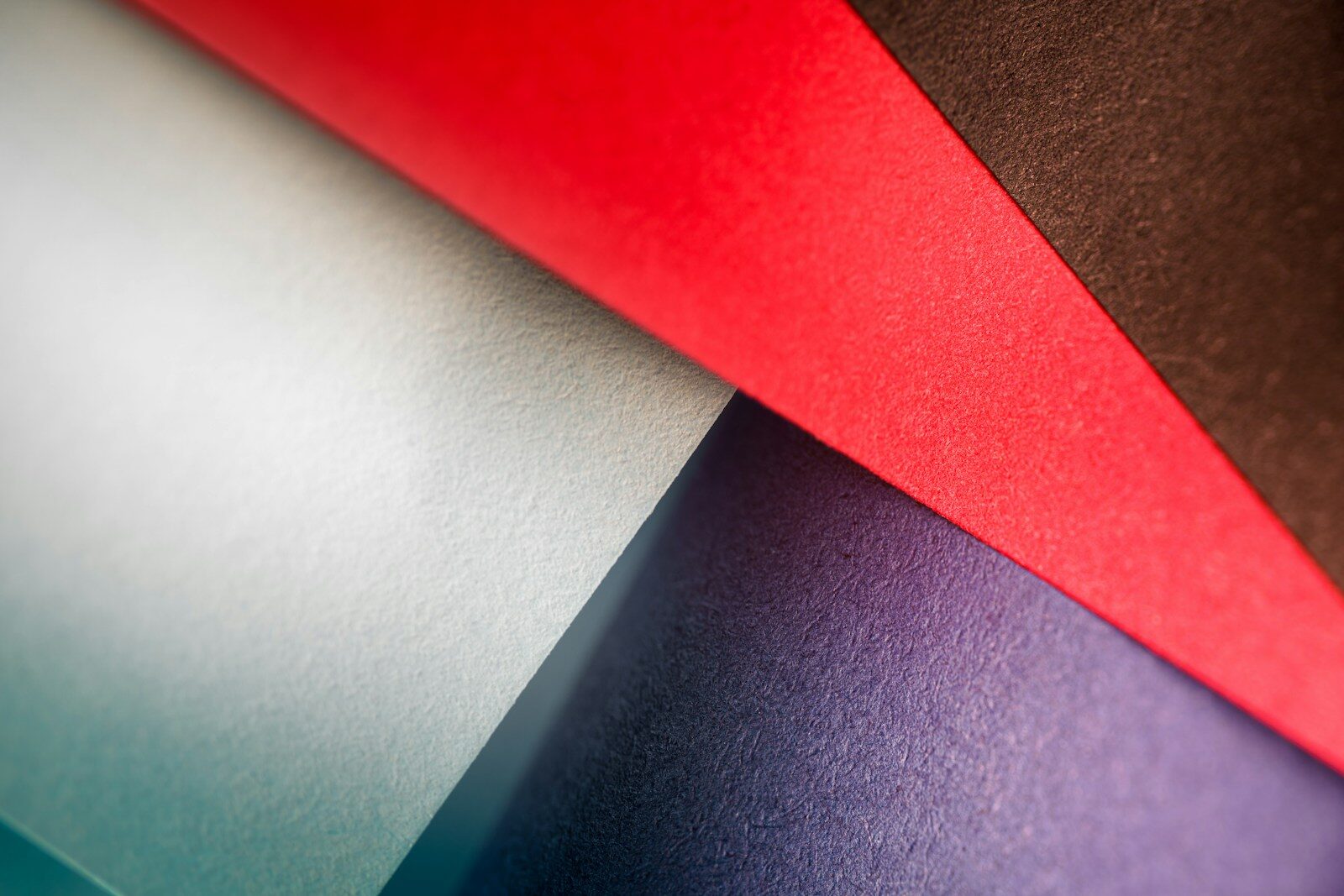
Laminate sheets are decorative surface materials made by compressing layers of paper and resin under high heat and pressure, creating a hard, durable sheet that is applied over plywood, MDF, or particle board.
They are designed to mimic natural materials such as wood, stone, or metal while offering improved resistance to scratches, stains, and moisture depending on the grade.
Key Characteristics
- Multi-layer synthetic surface material
- Decorative top layer with printed design
- Protective wear-resistant coating
- Applied over engineered wood substrates
Expert Insight: Laminate is not a structural material; it is a finishing layer that enhances both appearance and surface durability of furniture and interiors.
How Laminate Sheets Are Made
Understanding the manufacturing process helps explain why laminates are strong and versatile.
1. Base Layer Preparation
Craft paper or kraft paper is used as the base layer, providing strength and structure.
2. Decorative Layer
A printed layer gives the laminate its design, such as wood grain, marble texture, or solid colors.
3. Protective Overlay
A transparent wear layer protects the surface from scratches, UV exposure, and moisture.
4. Resin Treatment
Melamine and phenolic resins are applied to bond layers together.
5. High-Pressure Lamination
Layers are compressed under heat and pressure to form a solid sheet.
Types of Laminate Sheets
1. High-Pressure Laminate (HPL)
Features
- Extremely durable
- Scratch and heat resistant
- Ideal for heavy-use areas
Applications
- Kitchen countertops
- Commercial furniture
2. Low-Pressure Laminate (LPL)
Features
- More affordable
- Moderate durability
Applications
- Bedroom furniture
- Interior paneling
3. Decorative Laminates
Features
- Focus on design and aesthetics
- Wide variety of finishes
4. Textured Laminates
Features
- Embossed surfaces
- Realistic wood or stone feel
5. Glossy and Matte Laminates
Glossy
- Reflective surface
- Modern look
Matte
- Soft finish
- Minimal glare
Applications of Laminate Sheets
Furniture Design
Cabinets and Wardrobes
- Durable and easy to clean
Tables and Desks
- Scratch-resistant surfaces
Kitchen Interiors
Cabinets
- Moisture-resistant options available
Countertops
- Heat-resistant grades preferred
Wall Panels
- Decorative feature walls
- Accent surfaces
Commercial Spaces
- Offices
- Retail interiors
Doors and Partitions
- Lightweight finishing layer
Benefits of Laminate Sheets
1. Cost-Effective
More affordable than natural wood or stone finishes.
2. Wide Design Variety
Available in hundreds of colors, patterns, and textures.
3. Easy Maintenance
Simple cleaning with mild detergent.
4. Durability
Resistant to scratches, stains, and fading depending on grade.
5. Consistency
Uniform appearance across large surfaces.
Limitations of Laminate Sheets
1. Cannot Be Repaired Easily
Damaged sections often require replacement.
2. Edge Vulnerability
Edges may chip if not sealed properly.
3. Limited Natural Feel
Does not fully replicate real wood or stone texture.
Expert Selection Guide
Match Usage with Grade
- High traffic areas: HPL
- Low traffic areas: LPL
Consider Thickness
Thicker laminates offer better durability.
Choose Finish Based on Lighting
- Glossy for dark rooms
- Matte for bright spaces
Insider Tip: Always check edge banding quality because it significantly affects durability and appearance.
Installation Process Overview
1. Surface Preparation
Ensure substrate is smooth and clean.
2. Cutting Laminate
Measure accurately before cutting.
3. Adhesive Application
Use strong contact adhesive.
4. Pressing and Bonding
Apply uniform pressure to avoid bubbles.
5. Edge Finishing
Seal edges using PVC or wood strips.
Maintenance Tips
- Clean with soft cloth
- Avoid abrasive cleaners
- Prevent prolonged water exposure
- Use coasters and mats for protection
Design Trends in Laminate Sheets
Natural Wood Finishes
High demand for realistic wood textures.
Stone and Marble Looks
Popular in modern kitchens.
Minimal Solid Colors
Used in contemporary interiors.
Matte Black and Grey Finishes
Trending in luxury interiors.
Common Mistakes to Avoid
Choosing Wrong Grade
Leads to early wear and damage.
Poor Edge Finishing
Reduces lifespan of furniture.
Ignoring Room Conditions
Moisture and heat affect performance.
Sustainability Considerations
- Some laminates use recycled paper layers
- Low VOC resin options available
- Long lifespan reduces material waste
Laminate vs Veneer
Laminate
- Synthetic
- Low maintenance
- Cost-effective
Veneer
- Natural wood layer
- Premium appearance
- Higher maintenance
Is Laminate Right for Your Project?
Laminate sheets are ideal if you want a balance of affordability, durability, and design flexibility without the maintenance demands of natural materials.
Conclusion
Laminate Sheets Guide: Materials, Applications, and Features provides a complete overview of one of the most practical surface finishing materials used in modern interiors. With a wide range of designs, strong durability, and cost efficiency, laminates continue to be a preferred choice for homes and commercial spaces.
By selecting the right type, finish, and grade, you can achieve long-lasting and visually appealing interior surfaces that meet both functional and aesthetic needs.