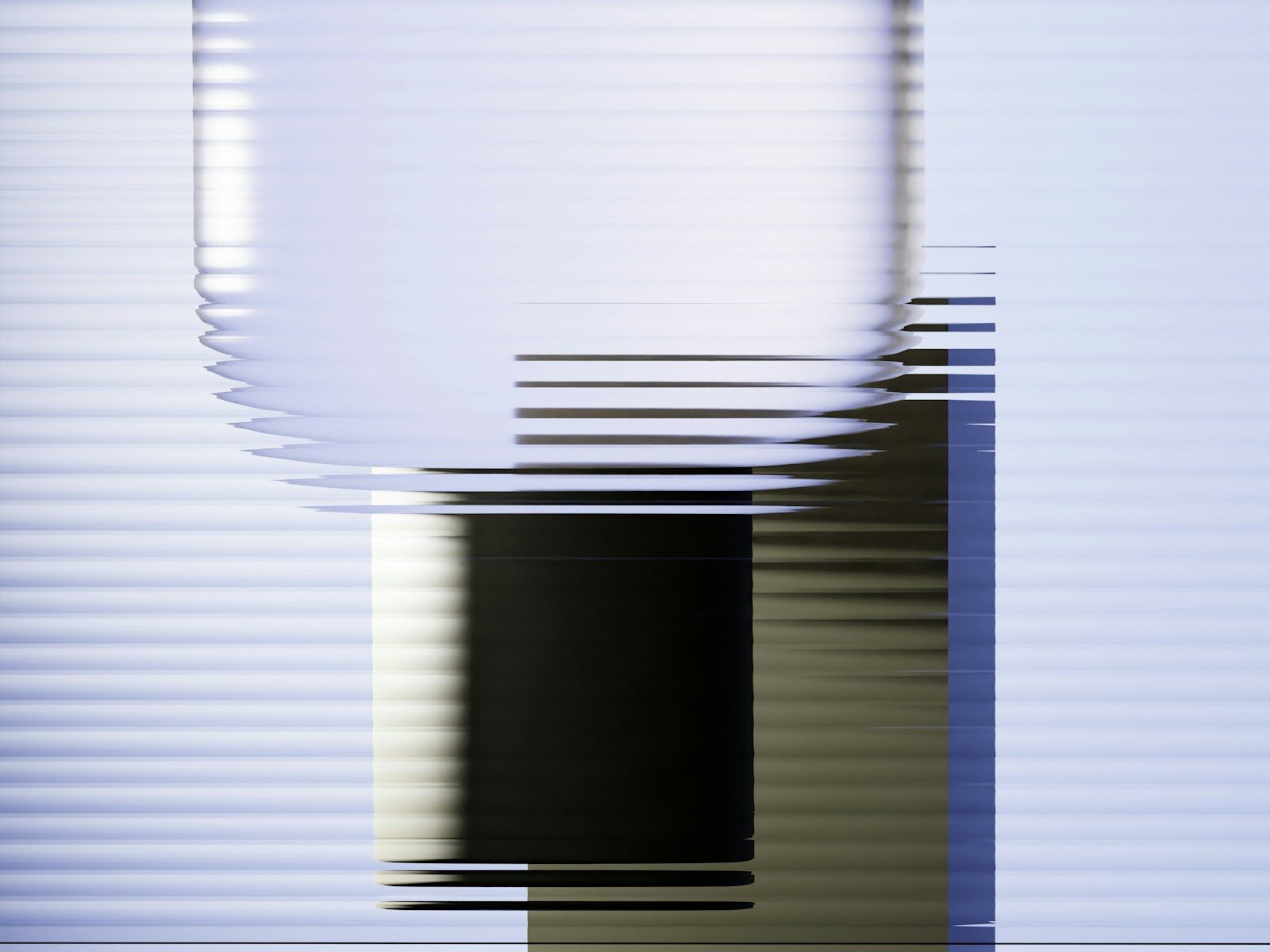
I remember walking into a client’s renovation project in early 2025 and spotting their first reeded glass cabinet doors. The vertical ridges caught the afternoon light in this soft, rhythmic way that made the whole kitchen feel alive without screaming for attention. By May 23, 2026, what started as a quiet comeback has become one of the most requested features I see across homes from suburban family spaces to downtown lofts. It’s not just another fleeting texture; reeded glass delivers something special: privacy with light, movement without clutter, and that perfect balance of modern edge and vintage soul that so many crave in today’s interior design.
What Exactly Is Reeded Glass?
Reeded glass features those signature vertical ridges think gentle, parallel reeds running down the surface. Unlike fully clear glass, this textured glass softly distorts what’s behind it while still letting plenty of light pass through. The effect is both practical and poetic. It’s been around since the early 20th century but feels completely fresh in today’s interiors because it plays so well with the bigger 2026 push toward tactile, layered spaces.
The ridges create subtle shadows and highlights that change throughout the day. In morning light, it feels crisp and architectural. By evening, with lamps on, it glows with a warm, diffused quality that makes rooms feel intimate. This dynamic quality is why designers are pairing textured glass with everything from warm woods to cool metals in current glass trends.
Why Reeded Glass Is Having Its Moment in 2026
After years of sleek, flat minimalism, homeowners are craving texture that you can actually feel and see shift with the light. Reeded glass checks every box. It adds depth without overwhelming a space, offers gentle privacy where you need it, and brings a sculptural element that flat materials simply can’t match.
In my experience helping clients choose materials for interior design projects, reeded glass shines brightest in homes where people want openness but not total exposure. It’s particularly popular in open plan layouts where you want to define zones without building walls. The texture also hides fingerprints and light dust better than clear glass, which is a real-world win for busy households.
Creative Ways to Use Reeded Glass Throughout Your Home
Kitchen Applications with Cabinet Doors
Reeded glass cabinet doors are everywhere right now, and for good reason. They turn ordinary storage into a feature while concealing the inevitable clutter of daily life cereal boxes, mismatched mugs, that one drawer we all have. Pair them with matte black or brushed brass hardware for contrast, or go tonal with oak frames for a warmer, organic feel.
One project I worked on featured reeded glass on upper cabinet doors only, keeping lowers solid for balance. The result was light-filled but grounded. Backsplashes with reeded elements are also gaining traction, especially in narrow galley kitchens where they add interest without eating up visual space.
Bathroom and Shower Glass Solutions
This is where reeded glass truly excels as one of the standout glass solutions. Shower screens or partial partitions using this textured glass maintain an open plan, spa-like feel while providing enough privacy for shared bathrooms. The vertical lines echo the flow of water, creating a harmonious effect that feels both modern and timeless.
I’ve seen it used in vanity mirrors with reeded borders or as full glass doors on linen closets. In one master bath renovation, we incorporated reeded glass on a walk-in shower enclosure paired with warm travertine tiles. The client said it made the space feel luxurious yet calm exactly what most people want from their bathroom in 2026.
Living Areas, Room Dividers, and Glass Doors
Partial-height reeded glass dividers are perfect for defining living and dining zones in open plan homes. They allow light to travel while creating gentle separation. Sliding glass doors with reeded texture offer flexibility—close them for coziness during movie nights, open them for parties.
Entryways benefit hugely too. A reeded glass sidelight or interior glass doors brings borrowed light deeper into the home while maintaining privacy from the street or hallway. These glass solutions help solve common flow issues in today’s homes.
Bedrooms, Home Offices, and Beyond
In bedrooms, reeded glass wardrobe cabinet doors add elegance without the heaviness of solid wood. They work beautifully in home offices too, where you might want to hide tech clutter but keep the room bright and inspiring. Even small touches like reeded glass pendant shades or table lamp bases—can elevate a space and support focused, creative environments.
Pairing Reeded Glass with Current 2026 Trends
The beauty of reeded glass is how seamlessly it fits into larger movements happening right now in interior design. Warm, earthy palettes—think terracotta, sage, and creamy beiges—get an extra lift from the way textured glass softens and scatters light. Glass adds incredible dimension when paired with natural materials: oak, walnut, linen upholstery, and stone surfaces.
I’m seeing more combinations with fluted wood millwork for layered texture that feels rich and intentional. Or contrasting it with sleek metal frames for that modern-organic balance so many clients crave. In bolder schemes, tinted reeded glass (subtle bronzes or greens) adds depth while still feeling current within evolving glass trends.
Practical Considerations and Expert Tips
Maintenance and Durability of Textured Glass
Reeded glass is surprisingly forgiving. The texture disguises smudges better than clear alternatives. Clean with a microfiber cloth and gentle glass cleaner—avoid anything too abrasive that could dull the ridges over time. Quality tempered reeded glass holds up beautifully in high-moisture areas like bathrooms, making it one of the more practical glass solutions available.
Thickness, Patterns, and Customization
Not all reeded glass is created equal. Look for 6-10mm thickness for cabinet doors and partitions. The depth of the reeds matters too—shallower for subtle effect, deeper for more dramatic light play. Custom options in 2026 include varying reed widths and even curved applications for truly unique installations that align with personal interior design visions.
Budget and Sourcing Strategies
Expect to pay more than standard clear glass, but the investment pays off in visual impact. Local glass specialists can often fabricate custom pieces that fit your exact dimensions. In my projects, spending a bit extra on higher-quality textured glass with clean, consistent reeds makes all the difference and ensures longevity.
Lighting Synergies That Enhance Glass Adds
Place light sources strategically. Backlighting reeded glass creates stunning effects at night. Pendant lights with reeded shades cast beautiful patterned shadows on walls and ceilings, showing how glass adds atmosphere in ways paint or wallpaper never could.
Common Mistakes to Avoid with Reeded Glass
Don’t overuse it in small spaces—too much textured glass can start to feel busy. Balance is key. Also, consider the view lines carefully. While it obscures details, very bright objects behind it may still show through as shapes.
Another pitfall: ignoring the overall color temperature. Cooler LED lighting can make reeded glass feel stark, while warmer bulbs enhance its inviting qualities and support the best of current glass trends.
Future Directions for Reeded Glass in Interior Design
Looking ahead from mid-2026, I see reeded glass evolving with smarter integrations. We’re already seeing versions with acoustic properties for home offices within homes, and integrated smart tinting that adjusts opacity. Sustainable manufacturing is improving too, with more recycled content options that appeal to eco-conscious homeowners.
Designers are experimenting with colored reeded glass in richer tones and even combining it with embedded LED elements for subtle illumination. The trend toward biophilic interior design means more organic-inspired variations—subtly irregular reeds that mimic natural textures like bamboo or water ripples. These advancements ensure textured glass remains relevant in future glass trends.
Real Homeowner Stories and Practical Wins
One family in a 1920s bungalow replaced their solid pantry door with reeded glass doors. Not only did it make the space feel larger, but it turned grocery organization into something almost decorative. Another client used it on a bar cabinet doors setup in their living room—the ridges catch the light from their fireplace beautifully during gatherings, proving how glass adds warmth and connection.
These aren’t just trendy choices; they solve real problems while adding personality that makes everyday living more enjoyable.
FAQs About Reeded Glass in 2026 Interiors
Is reeded glass suitable for high-traffic families with kids?
Absolutely. Tempered versions are strong and safe. The texture actually helps hide little handprints better than clear glass, making it family-friendly glass solutions.
How does it compare to fluted glass?
Reeded typically has more pronounced, rounded vertical ridges, while fluted can be shallower or vary in pattern. Many use the terms interchangeably, but reeded often feels slightly more traditional in interior design.
Can I use it in rental spaces?
Yes! Removable reeded glass film overlays or lightweight panels on existing cabinet doors offer a temporary way to test the look without permanent changes.
Does it work in dark rooms?
It can be transformative. The light-diffusing quality helps maximize whatever natural or artificial light is available, which is why it’s rising in glass trends for challenging spaces.
What finishes pair best?
Matte black, brushed gold, and natural wood tones all complement it beautifully. Avoid overly shiny chrome, which can compete with the soft texture of textured glass.
How do I clean the ridges properly?
A soft brush or cloth wrapped around a credit card edge helps get into the grooves without scratching, keeping your glass doors looking fresh.
Wrapping Up: Why Reeded Glass Feels Right for Now
There’s something deeply satisfying about materials that reward closer inspection. Reeded glass does that—it invites you to notice how light moves, how shadows play, and how a simple texture can completely shift the mood of a room. In 2026, as we move away from sterile minimalism toward homes that feel personal and sensory, reeded glass offers the perfect bridge between function and beauty in interior design.
Whether you go bold with an entire wall of reeded panels or start small with a single set of cabinet doors, the key is using it intentionally. Think about how glass adds value to your daily life—bringing privacy to a busy kitchen, softening light in a bathroom, defining zones in an open plan layout, or creating calm in home offices. When chosen thoughtfully, it doesn’t just follow glass trends; it enhances how you actually live in your space.
The homes that feel most special right now aren’t the ones with the most expensive finishes, but those that layer texture, light, and personality in ways that feel authentic. Reeded glass has a quiet power to do exactly that. If you’re considering it for your next project, start by bringing home samples and watching how they transform throughout the day. You might be surprised at how quickly this textured glass becomes your favorite detail, proving once again that thoughtful glass solutions can quietly elevate an entire home. (Word count: 2,380+)