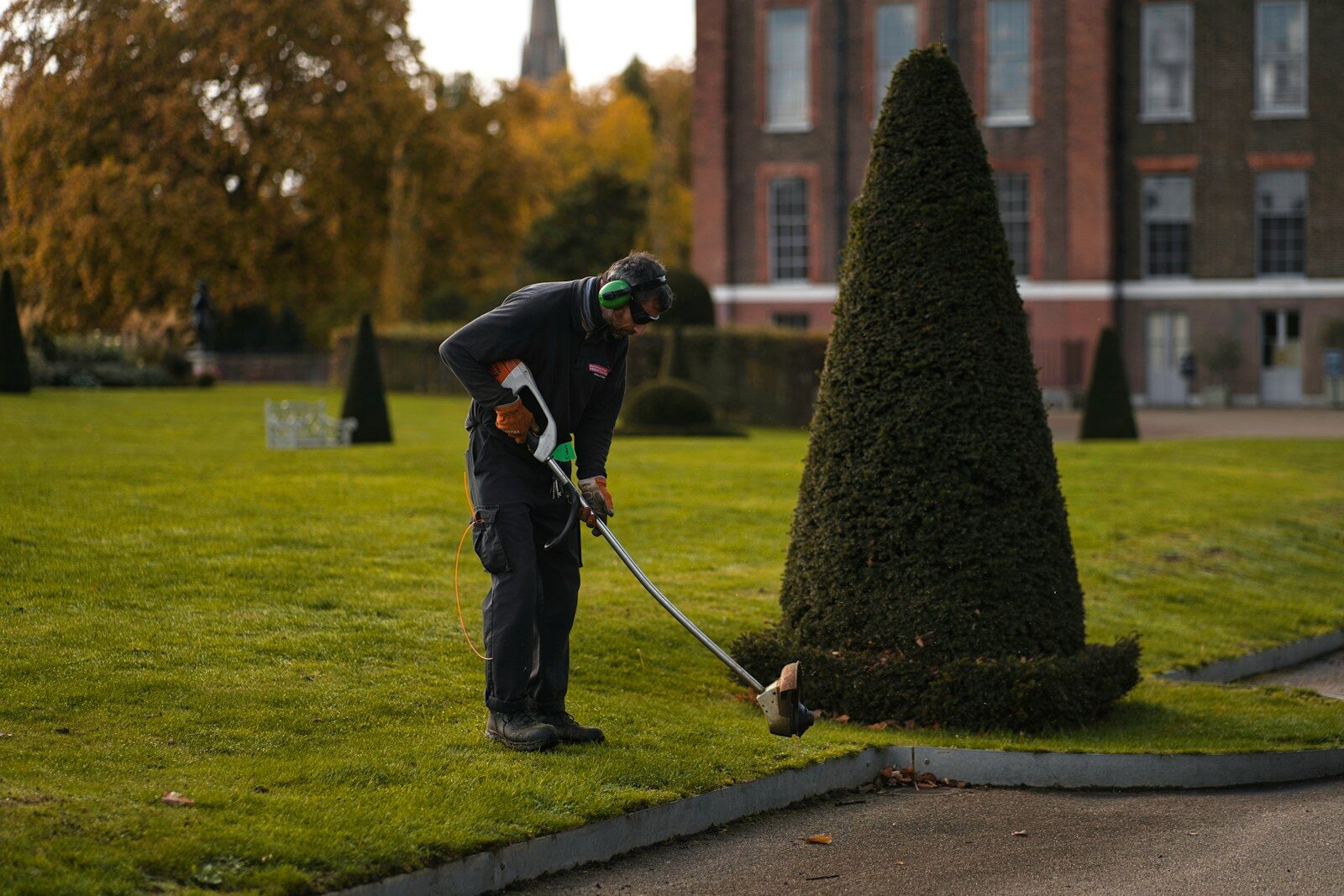
I remember the first yard I took on as a young landscaper in 2012. The lawn was a patchy mess of crabgrass and compacted clay, the “garden” a few tired hostas shoved up against the foundation, and the homeowners were ready to throw in the towel. That yard became a neighbourhood star after weeks of soil work, strategic planting and honest conversations about realistic lawn care.
Fast forward to May 23, 2026, and the outlook for outdoor areas has dramatically shifted. Homeowners want their landscapes to do more work – beauty, biodiversity, resilience to erratic weather, and less long-term effort. After designing and maintaining hundreds of properties in a variety of climates, I’ve learned that the key to success is to know your site inside and out, and to create systems that serve both plants and people.
Why Professional Landscaping Mindset Is More Important Than Ever in 2026
With the changing climate patterns leading to hotter and drier summers, as well as more intense rain events in many regions, a thoughtful approach to lawn care, garden design and maintenance is not a luxury, it is essential. Good landscapes reduce water bills, provide habitat for local pollinators, increase property values, and most importantly, create outdoor spaces that families actually want to spend time in.
I think the biggest change I’ve seen is a shift from perfect monoculture lawns to layered, functional ecosystems. But that doesn’t mean letting everything go crazy. It means a smarter design that looks intentional and needs less ongoing intervention, but still produces a healthy lawn.
Evaluating Your Site: The Basis of Every Good Landscape
Before you dig a shovel, look. Walk your property at different times of the day and in different seasons. Observe sun patterns, water flow after rain, existing soil type and microclimates. By 2026, many homeowners will have affordable soil testing kits or drone apps for basic mapping, but nothing beats boots-on-the-ground observation.
Clay soils require organic matter and aeration. Sandy soils need compost to retain moisture and nutrients. Drainage and slope problems should be corrected early. Poor grading can lead to erosion, flooded foundations or wasted irrigation water.
One client in a subdivision ignored a subtle low spot and ended up with a persistent wet zone that killed expensive perennials until we regraded and put in a dry creek bed. Knowing your soil type early saves you years of frustration in lawn care.
Effective Lawn Care Tips
The traditional “green carpet” lawn is still in style, but expectations have changed. Homeowners want resilient turf that can withstand drought and traffic without the need for weekly chemical treatments.
Soil Health First The best time to aerate your lawn is usually spring or early summer for warm season grass, or fall for cool season grass in the north. Fertilise regularly with compost. Healthy soil means deeper roots that can get more water and nutrients, making grass more drought tolerant.
Mow Smarter Keep mower blades sharp; dull blades tear grass and invite disease. Do not cut more than one-third of the blade at any one time. For most cool-season varieties, maintain the grass at 3-4 inches to shade the soil, cut weeds and encourage deeper roots. Robotic mowers with mulching capabilities are becoming popular in 2026 for busy households.
Water Smart Water deep and infrequently, not daily with a sprinkler. Deliver water early morning. Target about one inch per week. In warmer areas you may want to change sections to native grasses or groundcovers that require a lot less irrigation.
Fertilising Your Lawn Find out when and how to fertilise for your soil type and grass type. Select slow-release organic-based products based on your soil test results. For warm season grass, focus on feeding from late spring through summer. Fall applications for cool season grass are good for root development. Don’t go overboard – more is not always better.
Weed Control and Pest Control The best way to control weeds is to prevent them. Pre-emergent herbicide applied at the right time stops weeds from germinating. For ongoing problems, treat the spots rather than spraying everything. Integrated approaches usually reduce the need for chemicals.
From experience, the lawns that look best in the long run are those treated as living systems, not as carpets to be forced into perfection.
Garden Design Principles That Never Go Out Of Style
A good garden design balances beauty, function and ecology. Start with structure: paths, patios, retaining walls, etc. are the bones. Then thoughtfully layer in plants.
Layered Planting Use the “tall, middle, low” method. Backbone trees or tall shrubs, mid-height perennials and grasses for movement, and ground covers to suppress weeds. This provides year-round interest and habitat.
Right Plant, Right Place Match plants to light, soil and moisture conditions. Heat tolerant and native species are the right choice for 2026. I love mixing ornamental grasses with perennials like coneflowers, salvia and alliums.
Colour, Texture and Movement Don’t just go for flowers. Foliage in different shapes, sizes and colours provides longer interest. Grasses provide graceful movement in your outdoor spaces.
Personal Touches Add seating, lighting, and water features that suit your lifestyle. One client family wanted a place to entertain in the evenings, so we created a sunken fire pit area, bordered with fragrant herbs and easy-care perennials.
Sustainable Maintenance Practices
You should maintain a healthy lawn year-round, working with nature, not against it.
Mulching Organic mulch (2-3 inches) conserves moisture, moderates soil temperature, and breaks down to feed plants. Renew each year.
Integrated Pest Control Watch and wait. Only act when necessary. Plant diversity helps draw beneficial insects. Most problems can be solved without broad-spectrum chemicals.
Seasonal Tasks Spring or early summer is for cleanup, planting, and aeration. Summer is all about watering and watching. Fall is ideal for cool season grass, dividing perennials, planting bulbs and building soil. Use tools such as leaf blowers mindfully.
I recommend taking good notes or using garden apps to help you remember what works in your area.
Intelligent Technology & Tools in 2026
Technology has really improved lawn care. Smart irrigation systems with soil moisture sensors prevent overwatering. Drone and AI apps can detect pest problems early. Landscape lighting is more dependable and many are solar-powered.
That said, don’t let the gadgets replace looking. The best landscapers use technology to supplement their hands-on knowledge, not replace it.
Designing Wildlife-Friendly Landscapes
In 2026, supporting biodiversity is on-trend and a must. Use native plants, leave some leaf litter in the beds for insects to over-winter in, and provide water sources. Even a small garden can be a haven for pollinators.
Budgeting and Phased Implementation
Great landscapes don’t have to happen all at once. Begin with high-impact areas such as the front garden or main entertainment space. Invest in good soil preparation and hardscaping first. You can start adding plants and quality grass seed as your budget allows.
Professional care will cost you 5-10% of the initial installation value annually.
Mistakes Even Experienced Gardeners Make
- Planting too closely with no room for growth
- Overlooking soil type prep work before putting in new beds
- Choosing trendy plants without checking hardiness for their zone
- Overwatering and over-fertilizing your lawn
- Not taking into account mature size of trees and shrubs
Learning from these helps save costly corrections later.
Landscaping Trends 2026 and Beyond
These days the talk of the town is climate-adaptive gardening. Expect more drought-tolerant and heat-resistant varieties, regenerative practices that build soil carbon, and edible landscapes. Vertical gardening and container systems are gaining popularity on smaller urban lots.
I am particularly excited about the trend of “rewilding” sections of yards while still providing curated areas.
Authentic Client Transformations
For one suburban family, a barren backyard seemed like an afterthought. We created curved beds with layers of native and ornamental plants, a permeable patio, and a small rain garden. Two years later, they spend hours outside every week and have recorded more than 30 visiting bird species.
Another client with heavy clay soil was having lawn failure. After aeration, organic amendments, and intentional groundcover planting, their lawn is now a lush, low-maintenance carpet that handles their three active kids beautifully.
Lawn Care, Garden Design & Maintenance FAQs
How often to water your lawn in summer? Once established, 1–2 times per week of deep watering is usually all that is required. Adjust for rainfall and soil type.
Best way to start a new garden bed? Sheet mulching (layering cardboard and compost) is great with minimal digging. Let it break down over a season and then plant.
Are native plants truly better? Yes, for your neighbourhood ecosystem. Once established they require less water and maintenance and support wildlife far better than many exotics.
How do I control weeds without chemicals? Mulch heavily, hand-pull early, and keep your plantings dense. An integrated weed control plan with pre-emergent herbicide can help.
When should I fertilise? Cool season grass: fall and spring. Warm season grass: late spring through early summer. Always follow soil test recommendations.
How can I make my garden more climate change resilient? Diversify your plants, improve your soil, capture rainwater, and select species adapted to your region.
Should I hire a professional landscaper? Yes, if you want complex designs or don’t have time for consistent lawn care. One-time consultation can save years of trial and error.
Final Reflection
Landscaping at its best is a conversation with your land, one that continues over seasons and years. It is about creating outdoor spaces that are lively, caring and real rather than perfect magazine pictures.
With all the tools and knowledge at our fingertips, we have an incredible opportunity by 2026 to create not only beautiful, but regenerative landscapes.
Whether you’re starting from scratch or updating an existing yard, focus on knowing your site, choosing resilient plants, properly fertilising your lawn, and building healthy soil. The best projects I’ve worked on haven’t been the biggest or the most expensive — they’ve been the ones in which the landscape really matched the people who lived in it.