




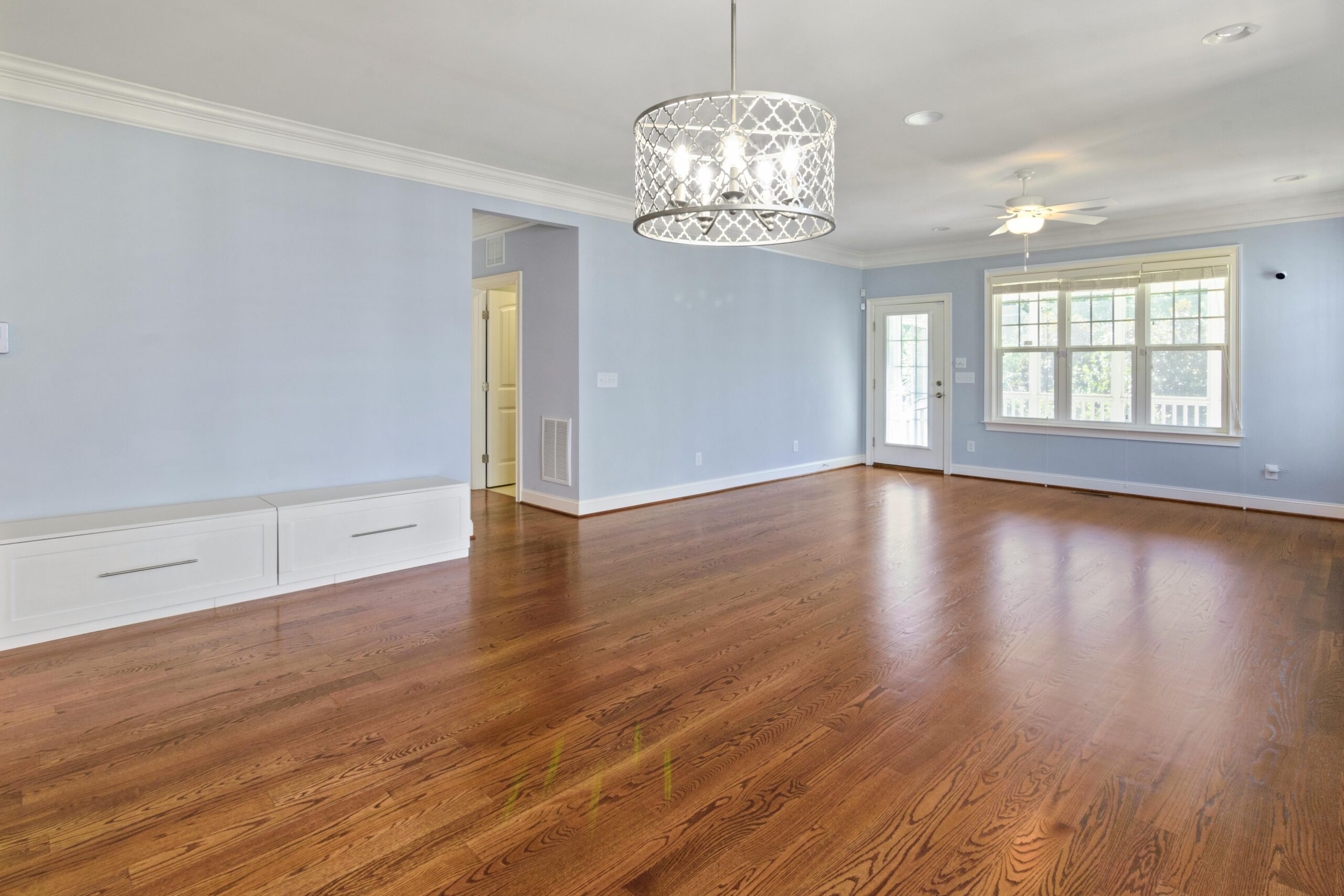
Room Additions – Adding another room to your house is one of the most practical ways to increase living space without moving. A well-planned room addition improves comfort, boosts property value, and adapts your home to changing needs such as a growing family, a home office, or rental income.
This guide explains the full process in clear, simple language. It focuses on real-world decisions, cost control, and proven methods that help you avoid common mistakes. Whether you are planning a small extension or a major build, you will find actionable steps here.
What Is a Room Addition?
A room addition is the process of expanding your existing house by building new usable space. This can be attached to the main structure or built above it.
Common Types of Room Additions
- Bedroom addition
- Home office
- Living room extension
- Kitchen expansion
- Bathroom addition
- Garage conversion
- Second-story addition
Each type serves a different purpose, but all aim to improve space and functionality.
Why Choose Room Additions Instead of Moving?
Moving to a new house is expensive and time-consuming. Room additions allow you to upgrade your current home instead.
Key Benefits
1. Increased Living Space
You get more room without changing location.
2. Higher Property Value
A well-built addition can significantly raise resale value.
3. Custom Design
You design the space based on your needs.
4. Cost Control
In many cases, adding a room is cheaper than buying a new home.
Types of Room Additions Explained
Understanding the right type helps you plan better.
1. Bump-Out Addition
A small extension of an existing room.
- Adds 2–10 feet of space
- Lower cost
- No major structural changes
2. Single-Room Addition
A full new room attached to the house.
- Ideal for bedrooms or offices
- Moderate cost
3. Sunroom Addition
A room with large windows for natural light.
- Best for relaxation
- Lower insulation compared to full rooms
4. Second-Story Addition
Building upward instead of outward.
- Saves land space
- Higher cost and complexity
5. Garage Conversion
Turning an existing garage into living space.
- Budget-friendly option
- Faster completion
Planning a Room Addition: Step-by-Step
Proper planning reduces delays and unexpected costs.
Step 1: Define Your Purpose
Ask yourself:
- Why do you need the space?
- Who will use it?
- What features are required?
Clear answers help avoid redesign later.
Step 2: Set a Realistic Budget
Include:
- Construction cost
- Labor
- Materials
- Permits
- Unexpected expenses (10–20%)
Step 3: Check Local Building Codes
Every area has rules for construction.
- Setback limits
- Height restrictions
- Structural safety requirements
Ignoring these can lead to fines or demolition.
Step 4: Hire Professionals
You may need:
- Architect or designer
- Contractor
- Structural engineer
Expert Insight: Always verify licenses and previous work before hiring.
Step 5: Create a Design Plan
Focus on:
- Layout
- Lighting
- Ventilation
- Electrical and plumbing needs
Cost of Room Additions
Costs vary based on size, location, and materials.
Average Cost Breakdown
- Basic addition: $80–$150 per square foot
- Mid-range: $150–$250 per square foot
- High-end: $250+ per square foot
Factors That Affect Cost
- Material quality
- Labor charges
- Design complexity
- Location
- Permits and inspections
Insider Tip: Simple rectangular designs cost less than complex layouts.
Best Materials for Room Additions
Choosing the right materials improves durability and reduces maintenance.
Structure Materials
- Concrete (strong and long-lasting)
- Steel (for large spans)
- Wood framing (common and cost-effective)
Finishing Materials
- Drywall for walls
- Tiles or hardwood for flooring
- Energy-efficient windows
Design Tips for Better Results
Match the Existing Structure
Keep design consistent with your home.
Focus on Natural Light
Use windows and skylights.
Plan Storage Space
Built-in storage improves usability.
Ensure Proper Ventilation
Good airflow prevents moisture issues.
Common Mistakes to Avoid
Poor Planning
Skipping planning leads to delays and cost increases.
Ignoring Budget Limits
Overspending is a common issue.
Low-Quality Materials
Cheap materials reduce lifespan.
DIY Without Experience
Complex work requires professionals.
Timeline for Room Additions
A typical project timeline:
- Planning: 2–4 weeks
- Design approval: 2–6 weeks
- Construction: 1–4 months
Large projects may take longer.
Permits and Legal Requirements
You usually need permits for:
- Structural changes
- Electrical work
- Plumbing work
Always check local regulations before starting.
Energy Efficiency in Room Additions
Energy-efficient designs reduce long-term costs.
Tips
- Use insulated walls and roofs
- Install double-glazed windows
- Use LED lighting
- Add proper sealing
Indoor vs Outdoor Room Additions
Indoor Expansion
- Extends existing rooms
- Less structural change
Outdoor Addition
- Builds new space outside
- Requires foundation work
ROI: Is a Room Addition Worth It?
Return on investment depends on type.
High ROI Additions
- Extra bedroom
- Bathroom
- Kitchen expansion
These increase property value the most.
Insider Tips for Successful Room Additions
- Always keep extra budget for surprises
- Use 3D design tools before construction
- Communicate clearly with contractors
- Inspect work regularly
- Avoid rushing decisions
Maintenance After Construction
Proper care ensures long life.
Maintenance Tips
- Check for cracks or leaks
- Clean surfaces regularly
- Maintain paint and finishes
Conclusion
Room Additions – Adding another room to your house is a smart way to improve space, comfort, and value. With proper planning, the right materials, and skilled professionals, you can achieve a durable and functional result.
Focus on clear goals, realistic budgeting, and quality work. This approach ensures your investment delivers long-term benefits.