
By Marcus Delgado — Interior Design Researcher | June 2026 | ~2,400 words | Eased Edge Countertops
1. What Is an Eased Edge?
There’s a moment in every kitchen renovation when the countertop conversation hits the edge profiles. Most homeowners walk into a showroom thinking they’ll pick something decorative an ogee, maybe a waterfall, something with presence. Then they see it all laid out, handle a few samples, and quietly come back to the same flat, slightly-softened rectangle they overlooked at first.
That’s the eased edge. And it wins more rooms than people admit.
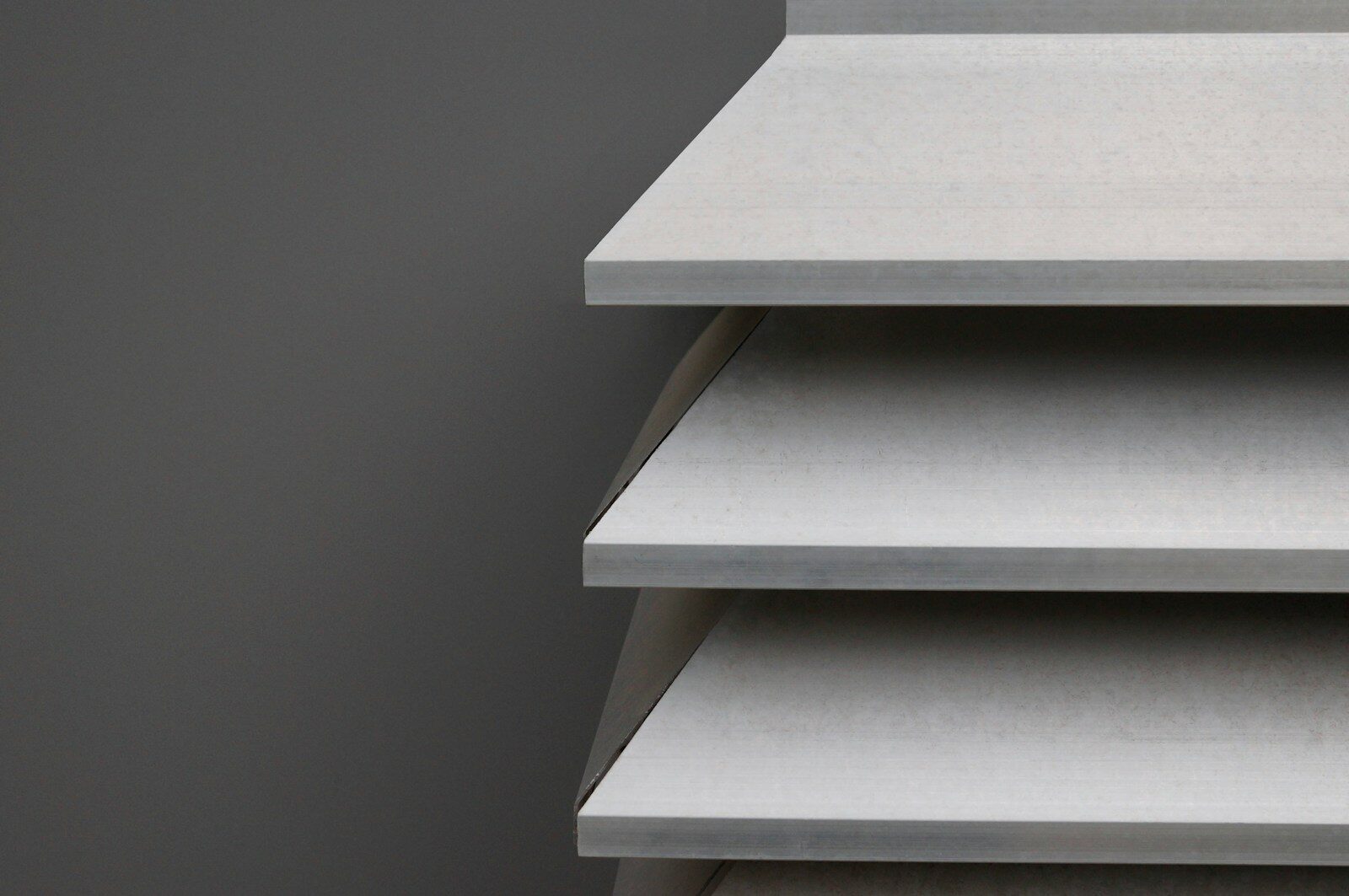
An eased edge sometimes called a straight edge or flat-polished edge is a countertop profile where the top and bottom corners of the slab are very slightly rounded, just enough to take off the razor sharpness, while the face remains essentially vertical and flat. The “easing” typically removes about 1/16 to 1/8 of an inch from each corner. Barely visible to the eye, but it’s the difference between a countertop that cuts into your hip every time you lean against the island and one that doesn’t.
Don’t confuse it with a square edge, which maintains perfectly 90-degree corners and is genuinely sharp. Attractive in certain architectural contexts, uncomfortable in high-traffic kitchens with kids around.
Fabricators sometimes distinguish between a full eased edge (both top and bottom corners softened equally) and a top-eased edge (only the top corner). For most residential kitchens, full eased is the standard.
2. Why Designers Keep Choosing It
The honest answer is: because it works. But that sells it short. The eased edge solves problems that fancier profiles create.
It lets the material speak.
When you choose a striking quartz with bold veining, or a butcher block that tells a story in its grain, a complex edge profile competes with the material for attention. The eased edge simply presents the slab. You see the stone, not the carpentry. This is why it dominates high-end contemporary kitchens where the countertop itself is the statement piece.
Practical for families.
Rounded profiles like the bullnose look soft, but they can feel uncomfortable at counter height because you’re leaning into a curved surface. The eased edge keeps enough flatness that leaning against an island feels natural, while the micro-rounding at the corners prevents bruising and scratching. If you have children running through the kitchen, this matters more than aesthetics.
Lower fabrication cost without looking cheap.
More ornate profiles — ogee, dupont, cove — require more passes on a CNC router and more hand-finishing time. The eased edge is among the least labor-intensive to produce, which is why many fabricators include it at no upcharge. The counterintuitive part: it doesn’t look budget. It looks intentional.
Timeless, not trendy.
Edge profiles go in and out of fashion. The beveled edge had its peak, the waterfall edge is having its moment right now. The eased edge has been in continuous use since the first modern kitchen in the 1950s and will still look right in 2045. If you’re renovating to sell, or planning to stay in your home for 20 years, that longevity is worth more than you might think.
Easier to clean.
Bullnose edges collect grime where the curve meets the cabinet face. Ogee profiles have inside corners that trap crumbs and require a brush to clean properly. The eased edge has no concave surfaces, no hidden pockets — a wipe across the face and a quick pass under the lip and you’re done.
“The eased edge is the black dress of countertop profiles — it never embarrasses you, it always looks appropriate, and the quality of the material beneath it determines how elegant it becomes.”
3. Edge Profile Comparison: Honest Verdicts
Most articles show you pretty pictures and call it a day. Here are the actual tradeoffs:
Eased Edge Cost: $0–15/linear foot | Comfort: Excellent | Cleaning: Excellent Best for: Contemporary, transitional, Shaker kitchens Verdict: Recommended for most homes
Square Edge Cost: $0–10/lf | Comfort: Poor — very sharp corners | Cleaning: Good Best for: Ultra-minimalist spaces Verdict: Niche use only — not family-friendly
Beveled Edge Cost: $10–20/lf | Comfort: Good | Cleaning: Good Best for: Transitional kitchens Verdict: Solid choice, a step up in visual interest from eased
Full Bullnose Cost: $15–25/lf | Comfort: Good but can feel awkward at counter height | Cleaning: Very good Best for: Traditional, country kitchens Verdict: Can feel dated in contemporary contexts
Ogee / Double Ogee Cost: $35–70/lf | Comfort: Fair | Cleaning: Poor (inside curves trap debris) Best for: Victorian, formal traditional Verdict: High maintenance — beautiful but demanding
Waterfall / Mitered Cost: $150–400+ per corner | Comfort: Fair | Cleaning: Good Best for: Luxury contemporary Verdict: Stunning if the budget allows, jarring if it doesn’t
DuPont Edge Cost: $25–45/lf | Comfort: Good | Cleaning: Fair Best for: Semi-traditional kitchens Verdict: A classic niche profile worth considering in the right room
One thing no table can capture: how an edge interacts with slab thickness. An eased edge on 2 cm quartz looks completely different from the same profile on 3 cm. Thicker slabs give it more visual mass and presence — something to keep in mind when you’re at the stone yard.
4. Does the Eased Edge Work With Every Material?
Almost. But material density and fabrication method do affect the result.
Granite and Marble.
Natural stone is where the eased edge truly shines. The profile is machined and polished in the same operation as the slab surface, so the edge has the same reflective quality as the countertop face. On a dramatic Calacatta marble, the eased edge creates a visual knife-line that emphasizes the slab’s thickness — especially striking on 3 cm material. Very thin stone (less than 2 cm) can chip at the corners more easily, so keep that in mind.
Quartz (Engineered Stone).
Quartz is fabricated to extremely precise tolerances, and the eased edge comes out exceptionally clean. The engineered nature of quartz also means the edge color is consistent throughout — unlike natural stone, where the edge may reveal a different internal composition. Brands like Caesarstone, Silestone, and Cambria typically include the eased edge at standard pricing.
Butcher Block and Wood.
Wood countertops with an eased edge have a particular charm. The slight softening of the corner helps protect the wood grain at the most vulnerable spot. With end-grain butcher block, the eased edge lets you see the beautiful cross-section pattern all the way to the edge, which a rounder profile would obscure. Sand and finish the edge to the same grit as the face for a seamless result.
Laminate.
Post-formed laminate can’t achieve a true eased edge — you’re limited by the pre-formed shape underneath. High-pressure laminate applied to a flat substrate, however, can be edge-banded and then routed to a clean eased profile. The result is entirely respectable and more durable than most people expect.
Concrete.
Concrete countertops are poured, not cut. An eased edge on concrete is achieved by shaping the form before the pour — typically with a foam or rubber edge insert. The result has a slightly softer, more handcrafted quality than the crisp machine-cut version in stone, which is part of the appeal in certain design contexts.
Pro tip: When visiting a stone yard, always ask to see the edge samples in the same material you’re considering. The same edge profile can look dramatically different on a white quartz versus an absolute black granite — the corner micro-chamfer catches light differently depending on color and finish.
5. Design Ideas by Kitchen Style
The eased edge is genuinely versatile, not just a fallback. It adapts its personality to the surrounding design language.
Contemporary and Minimalist Kitchens.
This is the eased edge’s native territory. In a kitchen with flat-front cabinets, integrated appliances, and a restrained material palette, the eased edge reinforces the overall precision of the design. Pair it with a large-format porcelain tile floor and a slab backsplash continuing the same material as the countertop, and the kitchen feels architect-designed rather than assembled from catalog choices. Material recommendation: white or off-white quartz with subtle movement, 3 cm thickness for adequate visual weight.
Transitional Kitchens.
Transitional style — the sweet spot between traditional and contemporary — is probably where the eased edge looks most effortlessly appropriate. Shaker cabinets, subway tile backsplash, brushed nickel hardware — the eased edge keeps pace with all of it. It’s the profile you could have chosen in 2015 and still be happy with in 2030. Material recommendation: Calacatta-look quartz or gray-veined marble for warmth, or leathered granite for texture.
Industrial Kitchens.
An eased edge on a dark concrete countertop, paired with open steel shelving and a matte black faucet, creates something more interesting than either the material or the hardware could achieve alone. The deliberate plainness of the edge emphasizes the rawness of the material — it reads as undecorated on purpose, which is very much the point in industrial design.
Traditional Kitchens.
Here’s where I’d offer a gentle caution: the eased edge can look slightly under-dressed in a deeply ornate kitchen. If you have raised-panel cabinetry, corbels, crown molding, and a farmhouse sink, a beveled or DuPont edge might feel more at home. That said, if the traditional elements are restrained — Shaker with some classic detail work — the eased edge can still work beautifully, especially if the stone has enough visual presence.
Mixed Material Islands.
One underused idea: the same eased edge throughout, but varying the material. A white quartz perimeter with a warm-toned quartzite island, both with eased edges, creates a sophisticated two-tone kitchen without introducing any visual conflict at the profile level. The consistent edge detail holds the design together while the material contrast adds interest.
6. What Does the Eased Edge Actually Cost?
Countertop pricing is notoriously opaque, so here are actual figures based on typical US fabrication costs in 2025–2026. Edge pricing is quoted per linear foot of exposed edge, and an average kitchen has 20–30 linear feet depending on island size and layout.
- Eased Edge (standard): $0–15 per linear foot
- Beveled Edge: $10–20 per linear foot
- Bullnose: $15–25 per linear foot
- Ogee: $35–70 per linear foot
- Waterfall / Mitered Corner: $150–400+ per corner
- Eased Edge total for average kitchen (25 lf): roughly $0–375 above slab cost
Many fabricators include the eased edge in their base countertop price. When they quote “standard edge included,” confirm it means a true eased edge with polished faces, not just a rough or unfinished edge. That question alone can save you a surprise on the final invoice.
7. The Honest Downsides
Every good article should include this part, and most don’t.
It can look thin on 2 cm slabs. The eased edge’s minimalism works because it emphasizes slab thickness. On a 2 cm countertop — just under an inch of material — the edge can look surprisingly delicate. This is partly why the industry has shifted heavily toward 3 cm as a standard. If you’re using 2 cm material for cost or weight reasons, consider a mitered buildup at the edge to simulate thicker material.
It reads as utilitarian in the wrong context. In a kitchen going for warmth, richness, and decorative detail, a plain eased edge can feel like a budget decision that wasn’t intended to be one. If your cabinetry has significant ornamentation and your backsplash is artisanal tile, the eased edge might be the one element that didn’t get the memo.
Not ideal for very thin stone. Marble and granite under 2 cm can be prone to chipping at the corner even with the micro-radius of the eased profile. If you’re working with thinner stone in a high-impact kitchen, a slightly fuller radius gives more material protection.
8. 2025–2026 Trends: Where the Eased Edge Is Heading
Edge profiles rarely appear in trend reports, but they’re a surprisingly accurate indicator of where kitchen design is going.
Ultra-thin eased edges on mitered slabs. The waterfall island trend pushed designers to look more carefully at the mitered corner — where two slabs meet at a perfect 45-degree joint. When that mitered corner gets an eased treatment, the result is a countertop that looks almost impossibly thin while still being comfortable to the touch. It’s showing up in high-end residential work and boutique commercial spaces.
Leathered and honed finishes. The polished-surface era is waning at the premium end. Leathered granite and honed marble both have a tactile quality that matte surfaces emphasize beautifully. Pairing either with an eased edge finished to a matte polish creates a countertop that feels handcrafted and honest about its materiality.
Outdoor kitchens. As outdoor kitchens become more architecturally serious — with real stone, real appliances, designed to weather years of outdoor exposure — the eased edge is showing up there too. Porcelain slabs and certain granites handle outdoor installation well, and the eased profile’s easy-to-clean geometry is particularly practical outdoors.
Bathroom vanities. Bathroom design has been borrowing the material language of kitchens for the last decade, and edge profiles are part of that. A floating vanity in Calacatta quartz with an eased edge looks designed with intention. The same principle applies: restraint in the edge lets the material do the work.
9. Frequently Asked Questions
Is the eased edge the same as a flat or square edge?
Not quite. A square edge maintains a true 90-degree corner — it’s actually sharp and can be uncomfortable and prone to chipping. The eased edge adds a micro-radius of just 1–3mm to remove that sharp point. Visually they look similar from a distance, but you’ll feel the difference immediately when you run your hand along the countertop edge.
Can I get an eased edge on laminate countertops?
Yes, with the right approach. Post-formed laminate has a pre-set rounded edge and can’t achieve a true eased profile. But with high-pressure laminate applied to a flat substrate, an edge band can be applied and then routed to an eased profile — exactly how many commercial-grade laminate countertops are finished.
Does the eased edge cost extra?
Often no — it’s included as the standard edge in many fabricators’ base pricing. Confirm this explicitly when getting quotes, and ask to see a sample of what they mean by “standard edge.” It should have a polished face and clean, consistent micro-radius at the corners.
Is the eased edge safe around children?
Considerably safer than a square edge, yes. The micro-rounded corners remove the most injury-prone point of a countertop. That said, it’s not as forgiving as a full bullnose. For homes with very young children, a half-bullnose on the island overhang — at head height for toddlers — is worth considering even if you use eased edges elsewhere.
What is the most popular countertop edge right now?
The eased edge has been the most commonly specified residential profile for the past several years, particularly in contemporary and transitional kitchens. Beveled edges are a close second. Complex profiles like ogee have declined significantly as kitchen design has trended toward cleaner aesthetics.
Can I change my edge profile without replacing the whole countertop?
In most cases, no. Changing an edge profile requires rerouting the edge in place, which is difficult, creates significant dust, and often won’t achieve the same quality as a factory edge. In rare cases a skilled fabricator can come to your home and refinish the edge, but it’s expensive and results vary. Get the edge right the first time.
Conclusion
There’s something I’ve come to believe after years of studying how kitchens actually get used: the best design decisions are the ones you stop noticing after a week. The spectacular ogee edge you were obsessed with in the showroom will catch your eye for a month, and then you’ll start to find it fussy. The eased edge, in the right space, recedes into the background and lets the kitchen simply be a kitchen — which is exactly what a kitchen should do.
That said, it’s not a universal answer. Design is always about context — the specific materials you’ve chosen, the cabinetry style, the people who will use the space, and the budget that frames every decision. The eased edge earns its reputation not because it’s safe or boring, but because it’s genuinely good. In the right room, with the right material, there is nothing better.
If you’re still unsure which edge is right for your space, ask your fabricator for a 12-inch sample of your top two choices in the actual material you’ve selected. Hold them against your cabinet door, look at them in your kitchen lighting, and live with the decision for a day. Your gut will usually know before your spreadsheet does.
About the Author
Marcus Delgado is an interior design researcher and materials consultant with over 14 years of experience studying residential and commercial design, with a focus on material science, fabrication processes, and how design decisions hold up over decades of real-world use. He has consulted on renovation projects across North America and Europe, working alongside stone fabricators, cabinet makers, and architectural firms. His writing covers architecture, building science, and consumer home design. He is based in the Pacific Northwest and believes sincerely that most kitchens are over-designed.