


The first time I limewashed a set of interior walls, I expected something closer to regular paint with extra texture. What I got instead was a living surface. The color shifted with the light throughout the day, soft mottling appeared where my brush had moved in circles, and the room suddenly felt calmer, older, and more settled—even though the walls were freshly finished. That was years ago in a small guest bedroom with ordinary drywall. Since then I’ve specified or applied limewash on brick exteriors, plaster interiors, and everything in between. The finish still surprises me with how much quiet character it brings.
Limewash is not a modern invention. It is one of the oldest wall coatings still in use, made primarily from slaked lime (calcium hydroxide), water, and natural pigments. When applied, it undergoes a slow chemical process called carbonation, turning back into calcium carbonate—essentially a thin layer of limestone that bonds with the surface rather than sitting on top like a plastic film. That mineral bond is the source of almost every advantage and quirk of the material.
This guide covers what limewash actually does, where it works best, how to apply it without the common frustrations, which products perform well in real conditions, and how to use it in current interiors without making a room feel like a museum piece.
Table of Contents
- What Limewash Really Is
- Key Benefits That Matter in Daily Life
- Best Uses and Suitable Surfaces
- Application Techniques and Practical Tips
- Common Mistakes and How to Avoid Them
- Brand Comparisons and Honest Verdicts
- Design Ideas and Color Direction
- Cost, Durability, and Maintenance
- Future Trends and Practical Considerations
- Frequently Asked Questions
- Closing Thoughts
What Limewash Really Is
At its core, limewash is a mineral paint. Traditional versions contain little more than high-quality slaked lime, water, and pure mineral or earth pigments. Some modern formulations add a small amount of binder or clay to improve adhesion on non-porous surfaces such as drywall, but the best products keep additives minimal so the finish stays breathable and authentic.
When you brush it on, the lime begins reacting with carbon dioxide in the air. Over days and weeks it hardens into a microporous layer that becomes part of the wall. This is fundamentally different from latex or acrylic paint, which forms a continuous film. The difference shows up in how the surface ages, how it handles moisture, and how light interacts with it.
You will sometimes see “limewash-look” paints that are simply flat latex with a textured application technique. Those can mimic the appearance temporarily, but they lack the breathability, the natural variation that develops over time, and the chemical bond. Real limewash is worth seeking out if those qualities matter to you.
Key Benefits That Matter in Daily Life
The advantages are not abstract. They show up in how a room feels and how the walls perform over years.
Breathability is the most important practical benefit. Limewash allows moisture vapor to pass through the wall. In older buildings with solid masonry or lime plaster, this prevents the trapped damp that causes mold and peeling under conventional paint. Even in modern homes it helps regulate humidity, especially in bathrooms or basements when the product is suitable for those conditions.
The finish is naturally antimicrobial and alkaline, which discourages mold and bacteria growth. Many people notice fewer allergy triggers in rooms finished with limewash compared with sealed synthetic paints.
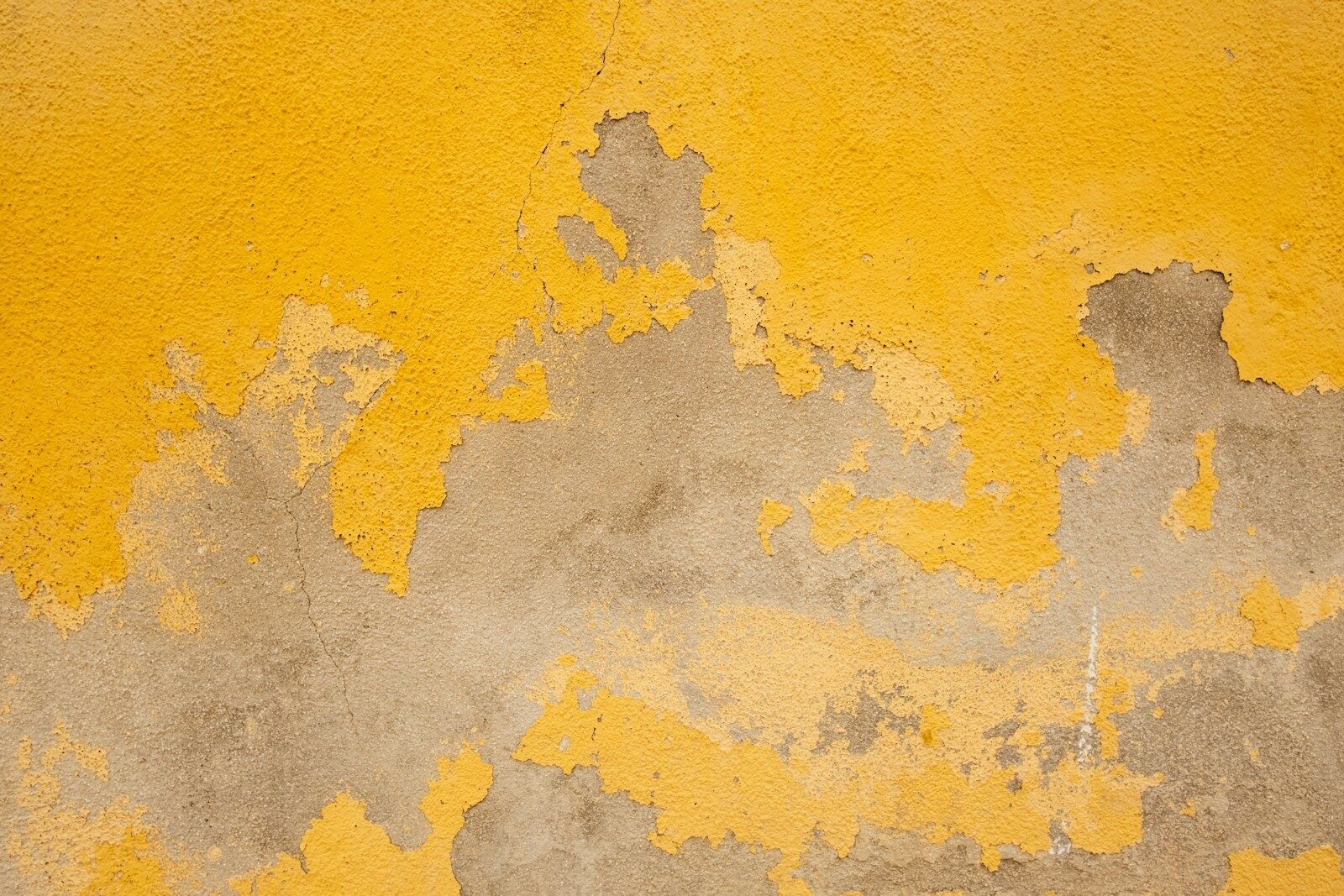
Aesthetically, the soft, matte, slightly mottled surface absorbs and reflects light in a way that flat paint cannot. Colors look softer and more dimensional. The variation is never uniform, so walls feel handmade rather than factory-finished. Over time the surface develops a gentle patina instead of looking worn.
Environmental credentials are strong. True limewash is typically zero-VOC, solvent-free, and made from abundant mineral materials. It is fire-resistant (often Class A1), and many brands are vegan and free of biocides. Cleanup is with water, and leftover product does not create the same disposal issues as conventional paint.
On the downside, limewash is less scrub-resistant than high-quality acrylic. High-traffic areas or walls that get frequent fingerprints may need more careful maintenance or a protective topcoat in some formulations. It also requires a different application mindset—rushing or rolling usually produces disappointing results.
Best Uses and Suitable Surfaces
Limewash performs best on porous, mineral-based surfaces: brick, stone, concrete, stucco, lime plaster, and cement render. On these materials it can often be applied directly and will bond chemically.
For modern drywall or previously painted walls, most manufacturers recommend a specialized mineral or lime primer that creates the necessary tooth and alkalinity. Without it, pure limewash can dust or fail to adhere properly.
Interior applications are the most common today: living rooms, bedrooms, hallways, and even bathrooms when humidity is managed and a suitable product is chosen. Exterior use on brick or stone facades remains popular for the classic whitewashed or aged look, particularly in warmer climates or historic restorations. Some formulations handle freeze-thaw cycles better than others.
Furniture and decorative objects can take limewash, though results vary and a sealer is often needed. Ceilings work well when you want the soft light diffusion limewash provides.
Avoid applying it over glossy or oil-based paints without thorough preparation, and be cautious in areas that receive constant direct water exposure unless the manufacturer specifically approves it.
Application Techniques and Practical Tips
Application is where most first-time users struggle, because limewash behaves differently from regular paint.
Preparation is non-negotiable. Clean the surface thoroughly. Repair cracks and holes. On drywall, apply the recommended primer and let it cure fully. Protect floors and adjacent surfaces carefully—limewash is thin and can drip or splash more readily than thicker paints.
Use a large block brush, masonry brush, or specialized limewash brush. Rollers generally produce a flatter, less attractive finish. Work in small sections—roughly one square meter or a few square feet at a time—so you can maintain a wet edge.
The classic technique involves random, overlapping strokes: vertical, horizontal, diagonal, and circular motions, often described as cloud or X patterns. The goal is variation, not uniform coverage. Thin the product according to the manufacturer’s instructions if needed; many are ready to use but benefit from occasional stirring because pigments settle.
Apply thin coats. Two to four coats are typical, sometimes more for dramatic color changes. Allow each coat to carbonate and dry according to the product guidelines—often one coat per day. Working wet-on-wet within a section creates the characteristic soft blending.
Temperature and humidity matter. Avoid applying in direct hot sun or very cold conditions. Exterior work needs a rain-free window after the final coat.
For brick exteriors, some products (notably certain Romabio formulations) are designed to be rinsed or distressed shortly after application to control the amount of coverage and create a more weathered look. Timing is critical—miss the window and the effect changes.
Common Mistakes and How to Avoid Them
The most frequent error is treating limewash like latex paint: rolling it on, aiming for full opacity in one coat, or working too large an area at once. The result is streaks, lap marks, or a flat appearance that lacks the desired depth.
Another common issue is insufficient surface preparation on drywall. Without the right primer, the finish can appear dusty or fail to bond.
Overworking the paint while it is drying creates hard edges and uneven patches. Once a section starts to set, leave it and move on; corrections are harder later.
Expecting perfect uniformity is also a mistake. The beauty of limewash lies in its variation. If you need a completely even color, choose a different product.
Finally, underestimating coverage and drying time leads to frustration. Buy extra product and plan for multiple days of work.
Brand Comparisons and Honest Verdicts
Not all limewashes are equal. The right choice depends on the substrate and the look you want.
Romabio Classico stands out for exterior brick and masonry. It is a pure slaked-lime product with good U.S. availability and reliable mineral bonding. Colors lean toward classic heritage tones. It performs well when applied correctly and can be distressed for a softer aged effect. Best for exteriors and raw masonry.
Bauwerk Colour offers the deepest and most interesting color range for interiors. The pigment loading creates rich yet soft tones—dusty pinks, sage greens, terracottas—that many other brands cannot match. It works on plaster and primed drywall, though lead times and pricing can be higher for North American buyers. Excellent when color character is the priority.
Portola Paints Lime Wash is formulated with a buffered binder that makes it more reliable on standard American drywall. Application is relatively forgiving, and the brand has strong support for interior projects. The trade-off is slightly lower pure-mineral breathability compared with traditional formulations. A practical choice for most residential interior work.
Other notable options include Sydney Harbour for heritage restorations, Pure & Original for European-style fresco looks, and various regional mineral paints. Acrylic “limewash effect” products from big-box stores can approximate the appearance on a budget but lack the performance benefits of real mineral limewash.
Verdict summary: Choose Romabio or similar pure lime products for exterior masonry. Choose Portola or Bauwerk (with proper priming) for interior drywall. Match the product chemistry to the surface rather than buying purely on color samples.
Design Ideas and Color Direction
Limewash shines in spaces that benefit from softness and texture. In living rooms and bedrooms it creates a calm backdrop that makes natural materials—wood, linen, stone—look richer. Soft whites, warm greiges, and pale earth tones remain the most versatile. Deeper greens, terracotta, and muted blues work beautifully as accent walls or in smaller rooms where the variation can be appreciated up close.
Mediterranean and modern organic interiors pair especially well with limewash. The finish softens hard contemporary architecture and adds quiet history to new construction. In farmhouse or transitional spaces it bridges old and new without feeling forced.
Lighting is critical. Limewash looks best with natural light and layered artificial light that grazes the surface. Strong directional light emphasizes the mottling; diffuse light creates a more even glow.
Combining limewash with other natural finishes—lime plaster on ceilings, raw wood, or simple stone floors—produces cohesive rooms that feel intentional rather than decorated.
Cost, Durability, and Maintenance
Material costs for quality limewash typically run higher per gallon than mid-range latex, often $80–$200+ depending on brand and color. Coverage is generally lower—often 150–350 square feet per gallon across multiple coats—so total material expense can be two to four times that of standard paint for the same area. Labor is also higher because of the specialized technique and multiple coats.
Durability is excellent on the right surfaces. Exterior applications on masonry can last decades with minimal maintenance. Interiors hold up well in normal living conditions but may show more wear in high-touch zones. Touch-ups are possible but can be noticeable because of the textured nature of the finish.
Cleaning is usually limited to gentle dusting or light wiping with a damp cloth. Avoid harsh cleaners and aggressive scrubbing. Some brands offer optional sealers for wet areas or higher durability when needed.
Future Trends and Practical Considerations
Interest in breathable, low-toxicity finishes continues to grow as more people prioritize indoor air quality and material honesty. Limewash fits neatly into that shift. Expect continued refinement of drywall-friendly formulations and broader color ranges that still respect the mineral character of the material.
Hybrid approaches—limewash on selected walls combined with complementary natural plasters or paints—are becoming more common. Aging-in-place and wellness-focused design also favor finishes that support healthier indoor environments.
For most homeowners the practical question is whether the aesthetic and performance benefits justify the higher cost and learning curve. In rooms where the walls are a primary visual element and the surface can support the material, the answer is often yes.
Frequently Asked Questions
Can I apply limewash over existing paint?
Yes, with proper priming. Most manufacturers offer or recommend a mineral primer designed for this purpose. Skipping it risks poor adhesion.
Is limewash suitable for bathrooms?
Some formulations are. Choose products specifically approved for higher humidity and ensure good ventilation. Avoid direct continuous water exposure unless sealed appropriately.
How long does it take to fully cure?
Surface drying happens in hours to a day, but full carbonation continues for weeks. The finish gains hardness and stability over time.
Can I use a roller?
It is possible but rarely recommended. Brush application produces the characteristic variation that defines the look.
Does limewash fade?
High-quality mineral pigments are highly UV stable. True limewash is known for excellent color retention outdoors.
Closing Thoughts
Limewash rewards patience and respect for the material. It is not the fastest or cheapest way to color a wall, and it will never deliver the uniform opacity of modern acrylic. What it offers instead is a surface that feels quietly alive—one that softens light, ages with grace, and supports the health of the building around it.
If you are drawn to rooms that feel settled rather than newly painted, and if you are willing to learn a different application rhythm, limewash remains one of the most satisfying finishes available. Start with a sample board on the actual surface you plan to finish. Live with the color and texture for a few days under different lighting. Then decide whether the particular softness it brings is the right match for your space.
The best limewashed rooms I have seen do not announce themselves as special finishes. They simply feel right—calm, textured, and quietly enduring.
Author Bio
Marcus Hale is a materials researcher and residential finishes consultant with more than a decade of hands-on experience specifying and applying traditional and modern mineral coatings. His work focuses on breathable wall systems, historic building performance, and the practical translation of old techniques into contemporary homes. He has tested dozens of limewash formulations on both masonry and drywall substrates and regularly advises homeowners and designers on matching product chemistry to real-world conditions. When not examining sample boards under raking light, he can usually be found refining application methods in his own slowly evolving house.