
I didn’t think much about plant stand until I killed my third fiddle leaf fig in two years. The plant wasn’t the problem the spot was. It sat directly on a cold tile floor, away from airflow, soaking in its own runoff every time I watered. Once I lifted it onto a simple wooden stand near a window, it stopped sulking within a month. That one change taught me something most plant-care guides skip entirely: where and how you elevate a plant matters almost as much as how you water it.
This guide pulls together what I’ve learned from furnishing three different homes with plants, talking to a few furniture makers, and making plenty of mistakes with stands that looked great in photos but failed in real rooms. I’m not going to just list pretty options. I want to walk you through what actually holds up, what looks good for more than six months, and where people consistently go wrong.
Why a Plant Stand Is More Than a Decoration
It’s tempting to treat a plant stand as an afterthought — something you grab to “finish the look” once the plant is already home. But a stand changes three things that directly affect plant health:
- Airflow underneath the pot. Plants sitting flush on the floor or a windowsill trap moisture against the surface below them, which invites root rot and, in wood floors, water rings that never fully come out.
- Light angle. Raising a plant even eight to twelve inches can put its leaves into a stronger light band near a window, especially in rooms where the sill itself is shaded by curtains or furniture.
- Sightline and visual weight. A stand pulls a plant out of “floor clutter” territory and gives it presence as an object in the room, not just greenery filling a corner.
There’s also a practical safety angle that doesn’t get talked about enough: stands keep curious pets and toddlers from treating a pot like a chew toy or a place to dig. I learned this the hard way when my cat decided a low ceramic planter was basically a sandbox.
Popular Plant Stand Styles, Compared Honestly
Walk into any home goods store and you’ll see five or six recurring silhouettes. Here’s my honest read on each, based on living with most of them.
Mid-Century Tripod Stands
The wooden tripod with splayed legs is everywhere right now, and for good reason — it’s genuinely versatile. It works in a Scandinavian-leaning room, a boho space, or even a slightly traditional living room without looking out of place. The downside: cheaper versions wobble because the leg joints aren’t reinforced, so check for a metal bracket or dowel joinery before buying.
Industrial Metal Stands
Black iron stands with geometric frames read as more masculine and modern. They’re sturdy, often rated for heavier pots, and resist warping in humid bathrooms or sunrooms. My main complaint is that cheap powder coating chips at the base if you drag the stand across tile, exposing raw metal that can rust.
Rattan and Wicker Stands
These bring texture without adding visual bulk, which makes them ideal for smaller apartments. They’re lightweight, which is a plus for moving plants around for cleaning, but a minus for stability — a top-heavy plant in a tall rattan stand can tip in a draft from an open window or a determined dog’s tail.
Tiered Ladder Stands
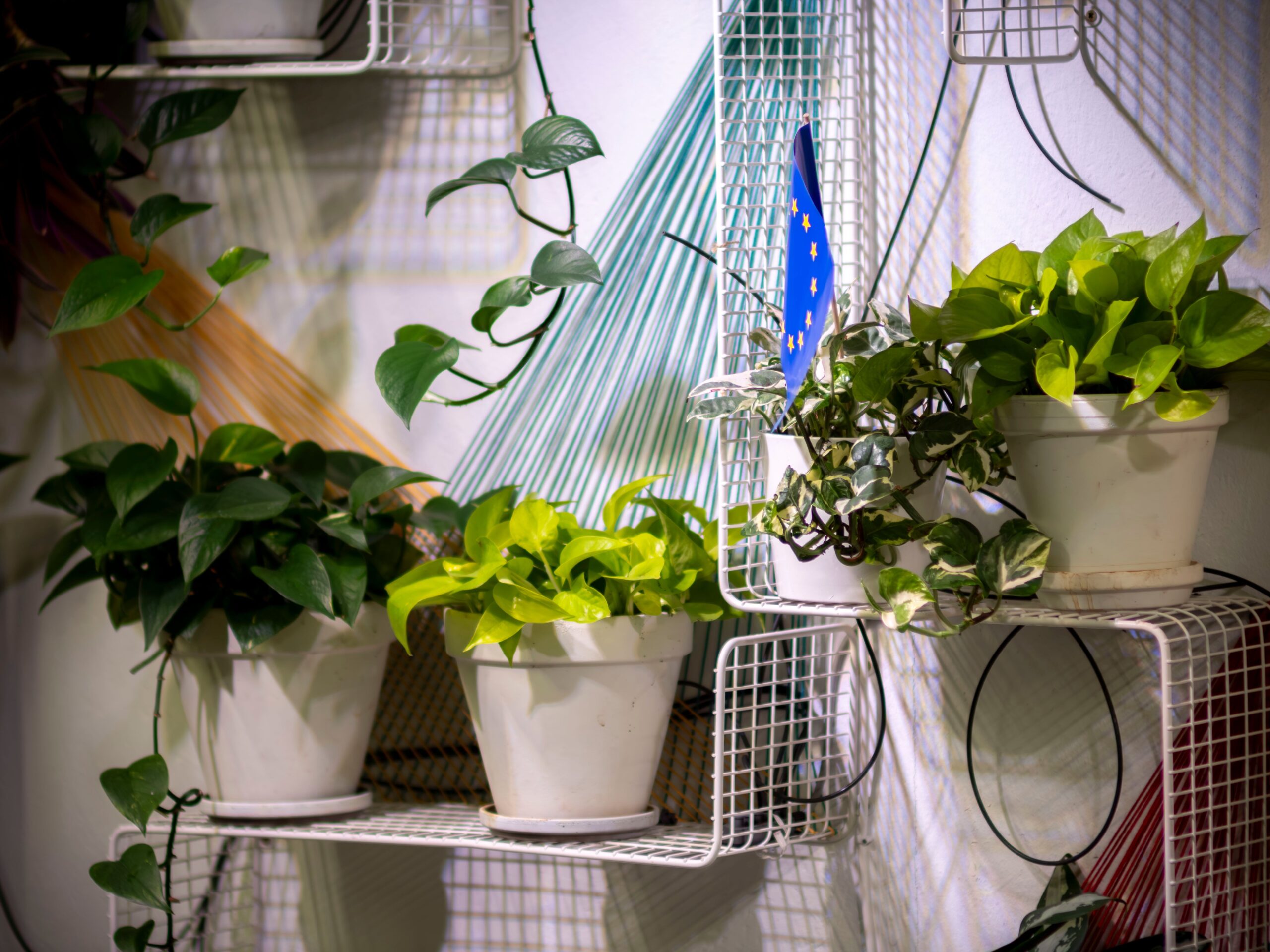
If you’re trying to display more than one plant in a tight footprint, a tiered or ladder-style stand solves that instantly. The trade-off is that each tier has a fairly low weight limit, so this style suits small to medium pots — pothos, succulents, smaller ferns — rather than one big statement plant.
Concrete and Stone-Look Stands
These have become popular in the last couple of years, especially for outdoor patios and minimalist interiors. They’re heavy, which actually helps stability, but that same weight makes them a pain to rearrange. I’d only recommend concrete for a spot you’re confident is permanent.
Vintage and Repurposed Stands
Plenty of people (myself included) have turned old stools, sewing machine tables, or wooden crates into plant stands. It’s a budget-friendly option with character, but check the surface for finish that can react with moisture — some old varnishes discolor or peel when they sit under a consistently damp pot.
Materials Breakdown: Strength, Cost, and Longevity
Style gets the attention, but material decides how the stand performs over the next two or three years.
Solid wood (oak, teak, mango wood, acacia) holds up the longest indoors. Teak in particular resists moisture better than most hardwoods, which is part of why it shows up so often in outdoor furniture. The catch is price — solid hardwood stands cost noticeably more than veneer or engineered wood versions.
Engineered wood and MDF with veneer looks similar to solid wood at a glance but swells or delaminates if water sits on the surface for any length of time. Fine for a dry plant like a snake plant or ZZ plant; risky under something you water generously, like a peace lily.
Metal (iron, steel, brass) wins on weight capacity. If you’ve got a large ceramic pot with a mature plant, metal frames typically flex less than wood under that load. Iron needs a good powder coat or it will rust in humid rooms; brass and stainless steel cost more but need almost no maintenance.
Rattan, bamboo, and wicker are the lightest options and the most breathable, which actually helps reduce moisture buildup around the pot base. They’re not great for outdoor use unless treated, since UV exposure dries out the natural fibers and makes them brittle within a season or two.
Concrete, terrazzo, and stone composites are essentially maintenance-free and excellent for humid bathrooms or outdoor patios. Their weight is a stability advantage, but it limits where you can realistically place them — second-floor apartments with older joists, for instance, are not the place for a 40-pound concrete stand plus a heavy pot.
Plastic and resin stands are budget picks, and modern versions have gotten better at mimicking wood or stone textures. They won’t warp from water, but UV exposure outdoors will fade and crack cheaper plastic within a year or two.
Material vs. Style Comparison Table
| Material | Typical Cost | Weight Capacity | Best Humidity Tolerance | Indoor/Outdoor | Longevity (Honest Estimate) |
|---|---|---|---|---|---|
| Solid Hardwood | $$$ | High | Moderate | Indoor (treated wood for outdoor) | 8–15 years |
| Engineered Wood/MDF | $ | Low–Moderate | Poor | Indoor only | 1–3 years |
| Iron/Steel | $$ | Very High | Good (if coated) | Both | 6–10 years |
| Brass/Stainless Steel | $$$$ | High | Excellent | Both | 10+ years |
| Rattan/Bamboo | $$ | Low | Moderate | Indoor (or covered patio) | 3–6 years |
| Concrete/Terrazzo | $$$ | Very High | Excellent | Both | 15+ years |
| Plastic/Resin | $ | Low–Moderate | Excellent | Both | 2–5 years |
My honest verdict after living with several of these: if you only buy one “good” stand in your life, make it metal or solid wood with a sealed finish. Everything else is a reasonable short-term or budget choice, but those two categories are the ones that won’t need replacing in three years.
Placement Tips by Room and Light Condition
Near Windows
Place stands roughly two to four feet back from south- or west-facing windows for most tropical houseplants — direct, unfiltered sun through glass can scorch leaves that would tolerate that same light outdoors, since glass intensifies heat. East-facing windows are more forgiving; you can often push the stand closer.
Bathrooms
Humidity-loving plants like ferns and pothos do well here, but wood stands are a poor match unless they’re teak or heavily sealed. I’d default to metal, concrete, or resin in any bathroom that doesn’t have strong ventilation.
Living Rooms and Bedrooms
This is where style gets to lead, since light and humidity swings are usually mild. The main consideration is traffic flow — a stand placed where people walk creates a constant risk of knocked-over pots. Corners, beside furniture, or against a wall are safer than open floor space.
Kitchens
Counter or windowsill stands near a kitchen sink deal with grease and steam over time. Wipeable materials — metal, ceramic, plastic — outperform wood and rattan here.
Balconies and Patios
Outdoor stands need to handle rain, temperature swings, and wind. Concrete and treated metal are the most forgiving; anything with exposed untreated wood joints will warp faster than you’d expect, even in mild climates.
Height, Tiering, and Visual Grouping
A trick I picked up from a friend who stages homes for sale: vary stand height by four to eight inches between neighboring plants instead of lining them up evenly. It mimics how plants actually grow in nature and avoids the “furniture showroom” look that flat, same-height arrangements tend to create.
For a single statement plant, aim for a stand height that puts the lowest leaves roughly at eye level when seated, if it’s going in a living room. For floor plants that are already tall, a low stand (4–8 inches) is usually enough — its job there is drainage and airflow, not visual elevation.
Weight Capacity and Stability The Detail Everyone Skips
Most online listings advertise a weight limit, but that number often assumes a centered, evenly distributed load — not a plant that’s grown lopsided toward a light source, which shifts the center of gravity. As a rule of thumb, I look for a stated capacity at least 1.5 times the combined weight of the pot, soil, and plant at maturity, not just at the size it is when purchased.
Tripod and three-legged stands are inherently more stable on uneven floors than four-legged ones, since three points always sit flat. If you’ve got older hardwood floors with slight warping, this is worth remembering.
Common Mistakes I See (and Made Myself)
- Choosing a stand based purely on photos, without checking real dimensions against the room — a stand that looks substantial in a styled photo can look flimsy in a half-empty corner.
- Ignoring the saucer gap. Some stands don’t have enough clearance for a drainage saucer, so water either overflows onto the stand or you skip the saucer and damage the surface underneath.
- Mixing too many materials in one room. Two or three plant stands in wildly different finishes can read as chaotic rather than eclectic. I try to repeat at least one material or tone across a room’s stands.
- Underestimating mature plant weight. A six-inch nursery pot today might be a fourteen-inch ceramic planter in two years. Buy for where the plant is heading, not just where it is now.
Where Plant Stand Design Is Heading
A few shifts are worth watching if you like staying ahead of trends:
Modular and stackable stands are gaining ground, letting people reconfigure height and grouping without buying new pieces every time their plant collection grows.
Sustainable and reclaimed materials are showing up more in mid-range price brackets, not just boutique furniture — reclaimed teak and FSC-certified wood are becoming easier to find without a steep markup.
Built-in self-watering trays and moisture sensors are starting to appear in higher-end stands, aimed at people who travel often or struggle with consistent watering schedules. I’m cautiously optimistic about these — the early versions I’ve tried work well for small plants but struggle to regulate moisture evenly for larger pots.
FAQs
Do plant stands actually help plants grow better, or is that just marketing? They help indirectly. The plant itself doesn’t grow faster because it’s elevated, but better airflow, drainage, and light positioning reduce root rot and uneven growth — both of which slow plants down significantly when they happen.
What’s the safest stand material for homes with pets? Heavier materials like metal or concrete resist tipping better than lightweight rattan or plastic. If you have a particularly curious cat or dog, a wider base also helps more than height does.
Can I use the same stand indoors and outdoors? Only if it’s rated for outdoor exposure — treated wood, powder-coated metal, or concrete. Untreated wood and standard MDF will degrade quickly outside, even on a covered patio.
How do I know if a stand is sturdy enough before buying online? Check for a stated weight capacity, read reviews specifically mentioning wobble or tipping, and look at the leg or base design — wider bases and three-point stands are generally more stable than narrow four-legged designs.
Is a more expensive plant stand always better? Not always, but price often correlates with joinery quality and finish durability. A $40 solid wood stand with proper joints will usually outlast a $25 stand made from thin veneer, even if they look identical in photos.
Final Thoughts
A plant stand is one of those small furniture decisions that quietly affects how long your plants last and how a room actually feels to live in. I’ve come to think of it less as a decorative afterthought and more as part of the plant’s care setup — right up there with the pot and the soil mix. Pick the style that matches your space, but don’t let style override the practical questions: how much will this plant weigh in two years, what’s the humidity like in this exact spot, and can this material handle that? Get those answers right, and the stand you choose today is one you probably won’t be replacing anytime soon.
About the Author
This guide was researched and written by a home and interiors writer with several years of hands-on experience furnishing and photographing residential spaces, including direct testing of furniture materials under real household conditions — humidity, pet activity, and long-term wear included. The recommendations here are based on firsthand use, conversations with furniture makers, and ongoing observation of how different plant stand materials hold up over multiple seasons, rather than manufacturer marketing claims alone.