


I’ve spent enough weekends elbow-deep in post holes and enough workdays reading corrosion test reports to have a strong opinion on galvanized steel fencing: it’s the most underrated material in residential and commercial perimeter work. Not because it’s flashy it isn’t but because it quietly outlasts almost everything else you could put in the ground, provided you understand what you’re actually buying.
That last part is where most guides fail people. They’ll tell you “galvanized steel resists rust,” slap a price range on it, and move on. They won’t tell you that two fences labeled “galvanized” can have wildly different lifespans depending on a coating code most homeowners never see on the invoice. That gap is what this guide is built to close.
Table of Contents
- What “Galvanized Steel” Actually Means
- Hot-Dip vs. Electro-Galvanized vs. Powder-Coated: A Real Comparison
- Decoding the Coating Codes: G40, G60, G90, and ASTM A123
- What Galvanized Steel Fencing Actually Costs in 2026
- Galvanized Steel vs. Other Fence Materials
- Installation: Tools, Steps, and the Mistakes That Ruin a Fence
- Supplier Comparison: Honest Verdicts
- How Long It Really Lasts (and What Kills It Early)
- Maintenance: What You Actually Need to Do
- Climate Considerations: Coastal, Desert, Freeze-Thaw
- Where the Industry Is Heading
- FAQs
- Final Thoughts
- About the Author
What “Galvanized Steel” Actually Means
Galvanizing is a zinc coating process, not a type of steel. The steel underneath a galvanized fence post is the same mild carbon steel used everywhere else in construction. What changes is the surface: a layer of zinc bonded to the metal that acts as both a physical barrier and a sacrificial one.
The “sacrificial” part is the piece most people miss. Zinc is more chemically reactive than steel, so when moisture and oxygen reach the surface, the zinc corrodes first and protects the steel underneath — even at small scratches or cut edges, up to a point. This is called cathodic protection, and it’s the entire reason galvanized fencing survives conditions that would eat bare steel alive in a few winters.
I mention this because it explains a detail that confuses a lot of buyers: a galvanized post can develop a dull gray or white, chalky surface within the first year and that’s not the coating failing. That’s zinc patina — a natural oxide layer forming as the zinc reacts with the atmosphere and then stabilizes. It’s a good sign, not a bad one.
Hot-Dip vs. Electro-Galvanized vs. Powder-Coated
This is where I see the most money wasted on both ends — people overpaying for protection they don’t need, and people underpaying for protection they do. Here’s how the three main approaches actually stack up in the field, not on a spec sheet.
| Method | How It’s Applied | Typical Coating Thickness | Realistic Lifespan (outdoor) | Cost Premium | Best For |
|---|---|---|---|---|---|
| Hot-dip galvanized (batch) | Fabricated steel dipped in molten zinc bath after welding/cutting | 1.7–3.9 mils per ASTM A123, thicker at edges and welds | 40–70+ years, longer in dry inland climates | Baseline | Posts, frames, structural fence components, gates |
| Continuous sheet galvanized (G60/G90) | Steel coil run through zinc bath before it’s cut and roll-formed into fence fabric or panels | 0.6–0.9 oz/ft² total, roughly 0.45 mils per side at G90 | 15–25 years for wire mesh/chain link fabric | Lowest cost | Chain link fabric, wire mesh, light-gauge panels |
| Electro-galvanized | Zinc applied via electric current in a plating bath, thin and uniform | 0.2–0.5 mils | 5–15 years outdoors, much longer indoors | Low, but often marketed as equal to hot-dip (it isn’t) | Indoor hardware, fasteners, budget decorative fencing not exposed to weather |
| Galvanized + powder coat | Hot-dip or G90 base coated again with baked-on polyester powder | Zinc layer plus 2–4 mils polymer | Adds 10–20 years of cosmetic life to the base coating | Moderate to high | Residential ornamental fencing, HOA-restricted colors, coastal touch-up protection |
My honest verdict:
If you’re setting posts in the ground, insist on hot-dip galvanized (ASTM A123) for the posts and frames, full stop. It’s not marketing language — the coating on a batch-dipped post is genuinely thicker, and it coats the cut ends and weld seams that continuous galvanizing misses entirely. For the mesh, fabric, or infill panels, G90 continuous galvanizing is perfectly adequate for most residential jobs, and paying extra for hot-dip fabric rarely earns its keep unless you’re within a mile of saltwater.
Electro-galvanized fencing shows up more than people realize, usually on cheap decorative panels sold at big-box stores under vague “galvanized” labeling with no ASTM spec listed anywhere on the packaging. I’ve seen these panels show surface rust within two summers in humid climates. If the listing doesn’t specify hot-dip or a G-rating, assume it’s the thin stuff.
Decoding the Coating Codes
Here’s the part that actually determines how long your fence lasts, and almost nobody explains it in plain language.
For sheet steel run through continuous galvanizing lines — the process that makes chain link fabric, welded wire mesh, and light fence panels — the industry uses G-codes defined in ASTM A653. The number after the “G” tells you the total zinc weight on both sides of the sheet, measured in hundredths of an ounce per square foot.
| Coating Class | Zinc Weight (both sides) | Approx. Thickness Per Side | Typical Use |
|---|---|---|---|
| G40 | 0.40 oz/ft² | ~0.3 mils | Light interior or short-term applications |
| G60 | 0.60 oz/ft² | ~0.45 mils | Standard residential chain link, budget mesh |
| G90 | 0.90 oz/ft² | ~0.76 mils | Higher-durability residential and light commercial fencing |
| G185 | 1.85 oz/ft² | ~1.6 mils | Heavy exposure, industrial, coastal-adjacent |
Practical takeaway: when you’re comparing quotes, ask two specific questions — “Is this ASTM A123 or A653?” and if A653, “What’s the G-rating?” A contractor who can answer immediately, without checking, is usually sourcing from a real galvanizer rather than reselling whatever showed up cheapest that quarter.
What Galvanized Steel Fencing Actually Costs in 2026
Pricing on fencing has settled somewhat this year after the volatility of 2024–2025, but it still varies more by region, gauge, and coating than most calculators let on. Based on current contractor pricing and material data, here’s what you should expect installed, in US dollars per linear foot:
| Fence Type | Installed Cost per Linear Foot | Notes |
|---|---|---|
| Basic galvanized chain link (9–11.5 gauge, G60/G90) | $10 – $25 | Cheapest professional metal fence option; DIY materials-only can drop to $3–$15/ft |
| Vinyl-coated galvanized chain link | $18 – $38 | Zinc core with a colored PVC sleeve, adds UV resistance and hides the coating |
| Galvanized wire mesh / deer-style fence | $10 – $15 | 3’–6′ heights, minimal privacy, good for gardens and pet containment |
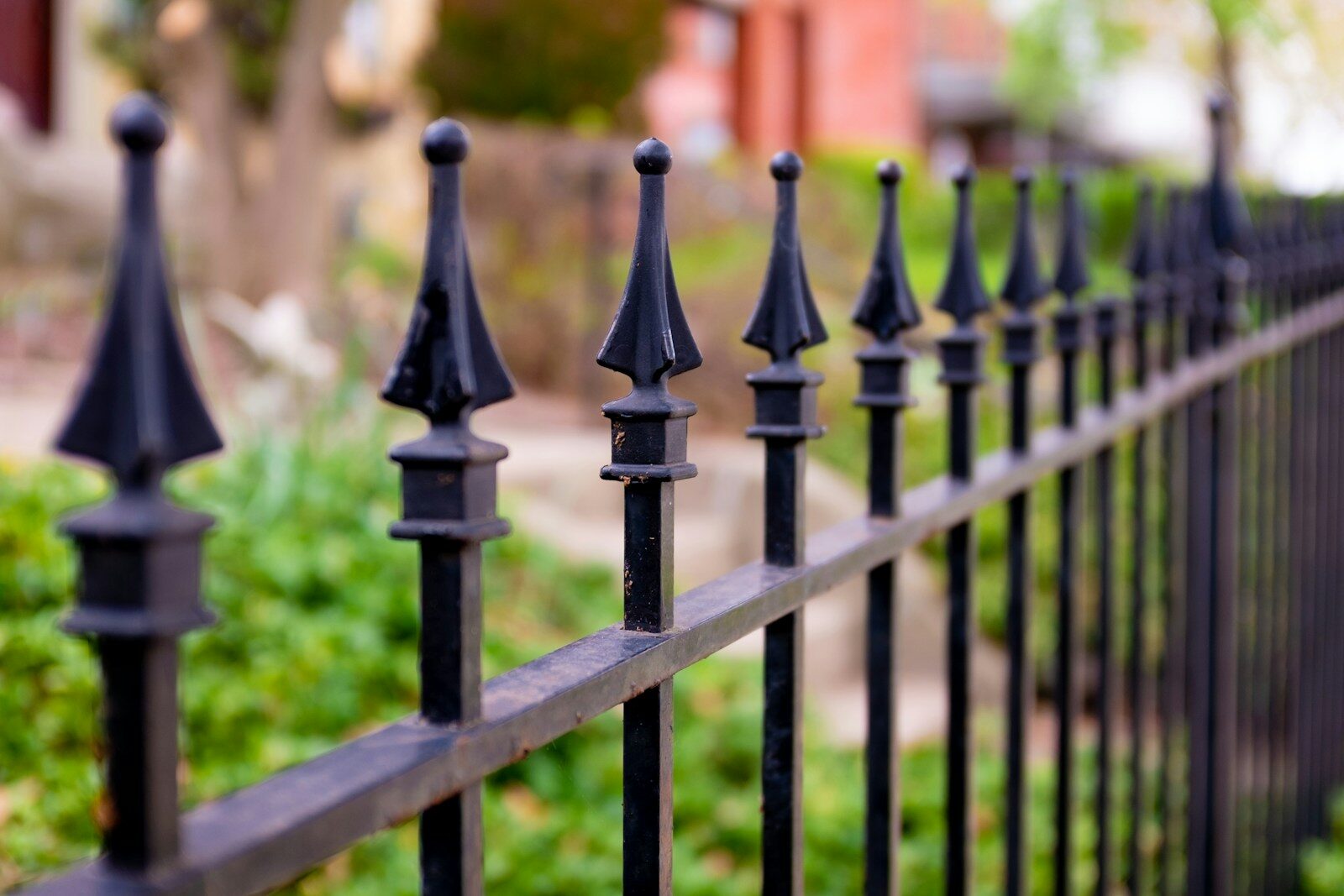
| Galvanized welded panel / ornamental steel | $30 – $80 | Wide range driven by picket style, height, and finish |
| Galvanized steel palisade (security-grade) | $30 – $80 | Vertical pointed pickets, up to 8′ tall |
| Hot-dip galvanized structural/security fence | $30 – $200 | High end covers heavy-gauge industrial and government-spec installs |
For a typical 150-linear-foot residential backyard, that puts a basic galvanized chain link job somewhere around $1,500–$3,750, and a mid-range ornamental galvanized steel fence closer to $4,500–$12,000 depending on picket density and gate count. Gates add real money — expect $150–$600 for a walk gate and $400–$1,500+ for a drive gate, mostly in hardware and the extra framing needed to keep a swinging gate from sagging over time.
A few cost levers worth knowing about before you get quotes:
Wire gauge matters more than most people budget for.
Thicker 9-gauge fabric costs meaningfully more than 11-gauge but resists cutting and impact far better — worth it for security applications, overkill for a garden border.
Terrain adds up fast.
Rocky or sloped ground can add days of labor and push a job 20–40% over a flat-lot estimate.
Steel pricing has stabilized but labor hasn’t.
Material costs actually eased slightly this year after 2025’s volatility, while certified installer labor rates have kept climbing in the 4–6% range annually — so labor, not steel, is where your inflation risk sits now.
Galvanized Steel vs. Other Fence Materials
| Material | Installed Cost/Linear Ft | Realistic Lifespan | Maintenance | Best Fit |
|---|---|---|---|---|
| Galvanized steel (chain link/mesh) | $10 – $25 | 20–30 years | Very low | Budget security, pets, agricultural |
| Galvanized steel (ornamental/palisade) | $30 – $80 | 30–50+ years | Low | Security with curb appeal |
| Pressure-treated wood | $15 – $30 | 12–20 years | Moderate–high (staining, rot checks) | Privacy on a budget |
| Cedar | $25 – $45 | 15–25 years | Moderate | Privacy with better looks |
| Vinyl | $25 – $45 | 20–30 years | Very low | No-maintenance privacy |
| Aluminum ornamental | $20 – $40 | 20–30 years | Very low | Pool code compliance, lighter-duty security |
| Wrought iron | $50 – $85 | 40+ years with upkeep | High (rust prevention, repainting) | Estate/high-end aesthetic |
| Composite | $40 – $65 | 25–30 years | Very low | Premium privacy, eco-marketed |
Where galvanized steel wins outright: cost-to-lifespan ratio. Nothing else on this list gives you 20-plus years of structural integrity for $10–$25 a foot. Where it loses: aesthetics straight out of the box (unless you’re paying for ornamental or powder-coated styles) and the fact that a damaged galvanized coating, if never touched up, will eventually let rust take hold at that specific spot — it just takes a lot longer than bare steel would.
Installation
Tools: what actually earns its keep
I’ve used pretty much every post-hole-digging method there is, and the honest comparison looks like this:
| Tool | Rental Cost (per day) | Speed (per hole, avg soil) | Best For | Verdict |
|---|---|---|---|---|
| Manual clamshell digger | $0 (owned) – $15 | 15–30 min | Under 10 holes, soft soil | Fine for small jobs, brutal past hole #6 |
| One-man gas auger | $60 – $90 | 5–10 min | 10–40 holes, mixed soil | Best value for most DIY jobs |
| Two-man gas auger | $90 – $130 | 3–7 min | Clay, root-heavy, or rocky soil | Worth it if soil is uncooperative |
| Skid steer/tractor auger attachment | $200 – $350+ | 1–3 min | 40+ holes, commercial jobs | Overkill for a backyard, essential for acreage |
My actual recommendation for a typical 150-foot residential job: rent the one-man gas auger for a day. It’s the sweet spot where you’re not fighting the tool, but you’re also not paying skid-steer money for twenty post holes.
The install sequence
- Call before you dig. Locate underground utilities first — this is free in most regions and skipping it is how people end up in expensive, avoidable trouble.
- Set corner and gate posts first, then run string line between them to keep the run straight before placing line posts.
- Dig below the frost line. This is the step people most consistently underestimate. The rule of thumb is to bury roughly one-third of the total post length, but the bottom of your concrete footing needs to sit at least 6 inches below your local frost line — whichever number is deeper wins. In the Gulf Coast that might be 12–18 inches total; in the Upper Midwest it can mean posts set 40–48 inches deep.
- Add a gravel base, roughly 4–6 inches of crushed stone, before setting the post. This gives water somewhere to go besides sitting against the base of a galvanized post, which matters even with a zinc coating — standing water at a cut or scratched edge is where corrosion starts fastest.
- Set posts plumb, then brace and let concrete cure for at least 24–48 hours before hanging rails, mesh, or panels. Loading a post too early is one of the most common causes of a leaning fence line within the first year.
- Attach rails and fabric last, tensioning chain link fabric properly with a come-along or fence puller rather than by hand — under-tensioned fabric sags visibly within a season.
DIY vs. hiring a pro
Chain link is genuinely one of the more DIY-friendly fence types — a two-person crew with no experience can reasonably install 100–150 feet in a weekend if the terrain is flat. Ornamental steel and anything involving welded panels, custom gates, or heavy security-grade palisade fencing is where I’d tell most people to hire out. The margin for error on plumb, panel alignment, and gate hardware is small enough that a poor DIY result on ornamental steel is very visible — and expensive to redo.
Supplier Comparison: Honest Verdicts
| Supplier Type | Example | Strengths | Weaknesses | Best For |
|---|---|---|---|---|
| Wholesale fence distributor | Master Halco | Wide product range, contractor-grade steel post systems, decades of industry presence | Not always open to walk-in retail customers; coverage gaps in some states | Contractors and larger residential/commercial jobs |
| Regional manufacturer/distributor | Merchants Metals | Manufactures its own chain link, ornamental, and welded wire lines | Availability concentrated in certain regions | Buyers near a regional plant looking for manufacturer-direct pricing |
| Big-box retail house brand | Home improvement store branded chain link kits | Convenient, bundled hardware, easy returns | Often thinner gauge and lower coating class than contractor supply | Small DIY jobs, garden fencing, temporary enclosures |
| Local custom fabricator | Varies by region | Can weld custom heights, gates, and match unusual property lines | Higher labor cost, quality varies fabricator to fabricator | Ornamental or security fencing with non-standard requirements |
My honest take: for a straightforward chain link run, a big-box kit is genuinely fine — it’s the same basic G60/G90 fabric under a friendlier price tag and packaging. Once you move into ornamental steel, custom gates, or anything security-rated, go through a contractor sourcing from a real distributor. The difference shows up in the welds and the gate hardware long before it shows up in the zinc coating.
How Long It Really Lasts
This is the number everyone wants and almost nobody can give you precisely, because it depends on three variables stacking on top of each other: coating type, coating thickness, and local atmospheric corrosivity.
As a rough, field-tested range:
- Hot-dip galvanized structural components in a typical inland residential setting: 40–70 years before the zinc layer is consumed enough to expose base steel.
- G90 chain link fabric: 20–25 years before visible surface rust becomes common, often longer in dry climates.
- G60 fabric: 15–20 years, noticeably less in humid or coastal air.
- Electro-galvanized components used outdoors: often showing rust within 5–10 years.
What actually kills a galvanized fence early almost never comes from the flat surfaces — it’s cut edges, weld splatter zones, and deep scratches from installation (dragging panels across gravel, dropping posts, tight-fitting hardware biting into the coating). Those spots have thin or zero zinc coverage and become the first failure points. This is exactly why a $15 tube of cold galvanizing compound, applied to any cut or gouge during install, is one of the highest-value five-minute jobs in the entire project.
Maintenance: What You Actually Need to Do
Galvanized steel’s biggest selling point is how little it asks of you, but “little” isn’t “nothing.”
- Rinse it once or twice a year, especially near roads (road salt) or coastal air (chloride exposure), to keep corrosive residue from sitting on the surface.
- Touch up bare spots with cold galvanizing compound or a zinc-rich paint the same season you notice them — waiting lets surface rust get a foothold.
- Check post bases every few years for signs of pooling water, cracked concrete collars, or soil erosion exposing the buried portion of the post.
- Keep vegetation off the fabric. Vines and ground cover trap moisture against the coating and accelerate the very corrosion the zinc is fighting off.
That’s genuinely the whole list. Compare that to a wood fence’s annual staining schedule or wrought iron’s recurring paint jobs, and it’s easy to see why galvanized steel remains the default choice for anyone who wants a fence and not a hobby.
Climate Considerations
Zinc corrodes at wildly different rates depending on what’s in the air around it, and this is the single biggest reason two identical fences in different zip codes age at different speeds.
- Coastal environments are the toughest test — airborne salt accelerates zinc consumption significantly. I’d lean toward heavier coating classes (G185 or hot-dip over G60) and a powder-coat topcoat within a mile or two of open saltwater.
- Desert and arid inland climates are actually the gentlest environment for galvanized steel — low humidity means the zinc oxide layer stabilizes and barely erodes further, which is part of why you’ll see 50+ year-old galvanized ranch fencing still standing across the Southwest.
- Freeze-thaw regions don’t attack the coating directly, but they attack the footing — frost heave on a shallow-set post will crack concrete and rack the fence line long before the zinc ever becomes the weak point. This is a foundation problem wearing a corrosion costume; don’t let a good coating choice get undone by a shallow hole.
- Industrial or high-pollution areas with elevated sulfur dioxide in the air can also accelerate zinc breakdown, which is worth knowing if you’re fencing a property near heavy industry.
Where the Industry Is Heading
A few shifts I’m watching closely:
Hybrid coatings are becoming the default, not the upgrade.
Galvanized-plus-powder-coat used to be a premium option; it’s increasingly standard on mid-range residential ornamental fencing because it solves the two complaints people actually have about bare galvanizing — the industrial gray look and the desire for a color that isn’t zinc-silver.
Recycled steel content is climbing
Across the fencing supply chain as steel mills lean further into electric arc furnace production, which runs on a much higher percentage of scrap steel than older blast furnace methods. For a buyer this doesn’t change performance, but it’s increasingly something manufacturers advertise, and I expect it to show up on spec sheets more explicitly over the next few years.
Smarter gate hardware is creeping into standard fencing quotes
Solar-powered gate operators, app-controlled locks, and simple driveway sensors are now regularly bundled into ornamental steel fence installs rather than sold as a separate aftermarket project. It’s not core to the “galvanized steel” story, but if you’re fencing a driveway entrance in 2026, expect it to come up in the sales conversation whether you asked or not.
Regional labor costs are becoming the real pricing story,
More than material costs. Steel and zinc pricing has been comparatively stable this year; skilled installation labor is the line item climbing fastest, which means the smartest way to control your budget going forward is picking installation timing and crew availability carefully, not just chasing material discounts.
FAQs
Is galvanized steel fencing worth the extra cost over plain steel? Yes, almost without exception. Bare, uncoated steel fencing left outdoors will show surface rust within a year or two in most climates and structural rust within a decade. The zinc coating premium is small relative to the lifespan it buys you.
Can galvanized steel fencing be painted? It can, but it needs proper prep — an etching primer designed for galvanized surfaces, since standard paint doesn’t bond well to zinc. Skipping the right primer is the most common reason painted galvanized fencing peels within a year or two.
Does galvanized steel rust at all? Eventually, yes, once the zinc layer at a given spot is fully consumed — but that’s typically decades away on properly coated components. Surface staining or a white, chalky bloom in the first year or two is usually zinc patina, not rust.
How do I know if a fence is really hot-dip galvanized and not just “galvanized” in name? Ask for the ASTM specification — A123 for batch hot-dip, A653 with a G-rating for continuous sheet galvanizing. Vague “galvanized” labeling with no standard referenced is a red flag, especially on budget decorative panels.
Is galvanized steel a good choice near the ocean? It can be, but plan for a heavier coating class or a powder-coated topcoat, and budget for more frequent rinsing to clear salt residue. Bare G60 fabric right on the coastline will age noticeably faster than the same fabric a few miles inland.
Do I need a permit to install a galvanized steel fence? Often, yes, particularly for height, gate placement near a street, or pool enclosures with specific self-closing hardware requirements. Requirements vary heavily by city and HOA, so it’s worth a quick call to your local building department before digging.
Final Thoughts
If I had to sum up everything above into one piece of advice, it’s this: the material category “galvanized steel fence” tells you almost nothing on its own. The zinc coating is doing real, measurable chemistry to protect your investment — it’s just chemistry that most sales literature glosses over in favor of a single reassuring adjective.
The good news is that once you know the right two or three questions to ask a supplier, you can tell a genuinely durable fence from a cosmetically similar one before you’ve spent a dollar. That’s a rare thing in home improvement, where so much quality is invisible until it fails.
About the Author
Daniel Reyes is a materials and construction researcher specializing in corrosion-resistant metal systems, with a background spanning structural steel fabrication and residential/commercial fencing consultation. His work focuses on translating industry specifications — ASTM coating standards, galvanizing processes, and material lifecycle data — into practical guidance for contractors and homeowners. He has spent over a decade evaluating fencing materials in the field across varied climates, from coastal corrosion zones to arid inland regions, and regularly consults on material selection for perimeter security and residential fencing projects.