

Table of Contents
- What Exactly Is a Scullery? A Quick Primer
- A Bit of History: From Victorian Servants to Modern Homes
- Core Purpose: Why This Space Still Matters
- Scullery vs. Butler’s PantryTable of Contents
- What Exactly Is a Scullery? A Quick Primer
- A Bit of History: From Victorian Servants to Modern Homes
- Core Purpose: Why This Space Still Matters
- Scullery vs. Butler’s Pantry vs. Walk-In Pantry: Clear Differences
- Key Benefits That Actually Change How You Live
- Design Ideas That Work in Real Homes
- Materials, Fixtures, and Smart Choices
- Layout Options and Practical Considerations
- Common Pitfalls and Honest Verdicts
- Future Trends in Scullery Design
- FAQs
- Conclusion
I still remember the first time I stepped into a properly designed scullery in an old farmhouse renovation I helped consult on a few years back. The main kitchen was all open-concept charm gleaming counters, a massive island perfect for guests but tucked just behind a discreet door was this hardworking little room that handled everything messy. Dirty roasting pans soaking in a deep farmhouse sink, a second dishwasher humming away, small appliances lined up neatly on counters. It felt like magic. That experience stuck with me, and it’s why I’ve become such a proponent of sculleries in today’s homes. They’re not a gimmick; they’re one of the smartest functional upgrades you can make.
What Exactly Is a Scullery? A Quick Primer
A scullery is a small room or dedicated zone adjacent to the main kitchen, primarily used for dishwashing, food prep overflow, cleanup, and storage of everyday kitchen clutter. Think of it as the “backstage” to your kitchen’s polished performance. Traditionally equipped with a deep sink (often larger than your main one), counter space, and sometimes a dishwasher or small appliances, it keeps the visible heart of the home free of the chaos that real cooking and living create.
In modern usage, sculleries have evolved. They’re no longer just for scouring pots like in the old days. Many now double as secondary prep kitchens, appliance garages, or even mini-laundry spots in tighter floor plans. The defining feature is the “wet” aspect—plumbing for sinks and dishwashers—distinguishing it from pure storage spaces.
Beginner tip: If your kitchen feels perpetually cluttered despite regular cleaning, a scullery might be the missing piece. It doesn’t need to be huge; even 50-80 square feet can transform daily flow.
A Bit of History: From Victorian Servants to Modern Homes
The term “scullery” comes from the Old French escuelerie, referring to the servant responsible for plates and dishes. In grand Victorian and Edwardian homes, especially in Britain, the scullery was where the lowest-ranking staff handled the dirtiest work: washing greasy pots in stone sinks, scrubbing floors, and managing water that often came from external sources. Floors were durable stone or tile, walls plain, and everything built for function over beauty.
Plumbing changes and smaller households made them less common in the mid-20th century. But with today’s open-concept living—where the kitchen is the social hub—sculleries are roaring back. Homeowners want that show-ready kitchen without sacrificing practicality. In 2025-2026 trends, they’re appearing in luxury builds and thoughtful remodels alike, often rebranded as “back kitchens” or “prep kitchens.”
I’ve seen this revival firsthand in projects blending historic charm with modern needs. One client in a renovated 1920s home kept the original scullery footprint but updated it with contemporary finishes—it became their favorite room.
Core Purpose: Why This Space Still Matters
At its heart, a scullery manages the unglamorous but essential side of home life. Post-dinner cleanup happens without dominating the main space. Bulk food prep (think holiday meals or weekly meal-prepping) stays contained. Small appliances like air fryers, stand mixers, blenders, and coffee stations live here permanently, freeing main counters.
It also supports entertaining brilliantly. Guests linger around the island with drinks while you quietly handle dishes or stage the next course out of sight. In multi-generational or busy family homes, it allows parallel workflows—kids making snacks, one parent prepping dinner, without bottlenecks.
Scullery vs. Butler’s Pantry vs. Walk-In Pantry: Clear Differences
This is where confusion often creeps in. Here’s a practical comparison table based on real installations I’ve reviewed:
| Aspect | Scullery | Butler’s Pantry | Walk-In Pantry |
|---|---|---|---|
| Primary Focus | Wet cleanup, prep, appliances | Staging, display, light prep | Dry storage |
| Key Features | Deep sink, dishwasher, counters | Counter for plating, glass cabinets | Shelving, possibly drawers |
| Plumbing | Yes (essential) | Sometimes (small sink) | Rare |
| Size | 60-200+ sq ft | 40-120 sq ft | 30-100 sq ft |
| Location | Adjacent to kitchen, often hidden | Between kitchen & dining | Off kitchen |
| Best For | Busy cooks, entertainers | Formal hosting, aesthetics | Organization of goods |
| Cost Range (add-on) | $8,000–$25,000+ | $3,000–$12,000 | $2,000–$8,000 |
A scullery is the most functional “working” option. A butler’s pantry feels more elegant and transitional. Pure pantries are storage-first. Many homes combine elements—scullery with pantry shelving—for maximum versatility.
Honest verdict: If you entertain often or cook seriously, prioritize a scullery. For display-focused homes with less daily mess, a butler’s pantry suffices.
Key Benefits That Actually Change How You Live
- Clutter-Free Main Kitchen: Counters stay clear. No more appliance parade or dish towers after meals. One family I spoke with said their main kitchen now feels like a “magazine spread” daily.
- Better Workflow and Efficiency: Dedicated zones reduce traffic jams. Prep in the scullery, cook/serve in the main area. For large families or multi-cook households, it’s transformative.
- Entertaining Superpower: Hide the mess. Run two dishwashers. Keep parties flowing. Guests notice the calm, not the effort.
- Extra Storage and Organization: Room for bulk buys, seasonal items, oversized tools. Pull-out shelves and appliance garages keep everything accessible yet hidden.
- Increased Home Value: In competitive markets, sculleries are a desirable luxury feature. They signal thoughtful design and appeal to buyers who value functionality.
Real-world example: A suburban family with three kids added a galley scullery during a remodel. The mom, who bakes weekly, now has space for her mixer and proofing without cluttering the island. Cleanup after sports snacks happens instantly. “It’s like having an extra pair of hands,” she told me.
Drawbacks exist—added cost, space requirements, and potential plumbing challenges in renovations—but benefits usually outweigh them for homes over 2,000 sq ft.
Design Ideas That Work in Real Homes
Modern sculleries blend utility with personality. Here are proven approaches:
Galley Layout: Narrow and efficient. Counters on one or both sides. Ideal for tight remodels. Place the sink at one end, storage at the other.
L-Shaped or U-Shaped: Maximizes counters for prep. Great for serious cooks. Include a small island if space allows for extra workspace.
Hidden/ Pocket Door Versions: Seamless integration. The door blends with cabinetry for a clean look when closed.
Open Shelving with Character: Timber shelves for warmth, combined with closed cabinets below. Add cafe curtains for softness.
Color and Finish Play: Match the main kitchen for cohesion or go bolder—deep greens, warm woods, or punchy tiles—for personality. One standout I admire used French Gray paint and brass accents for a cozy, lived-in feel.
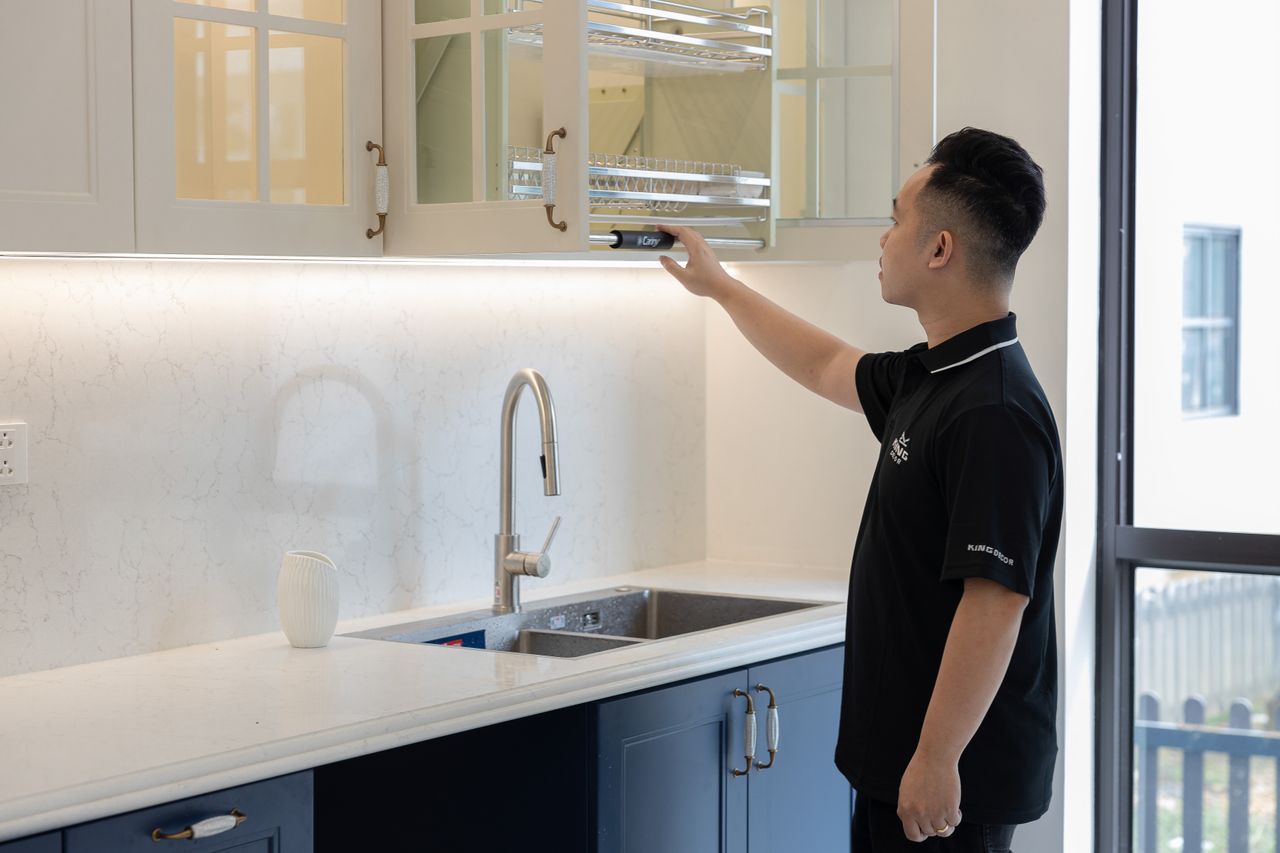
Imagine a serene white scullery with quartz counters, or a moody industrial one with stainless elements.
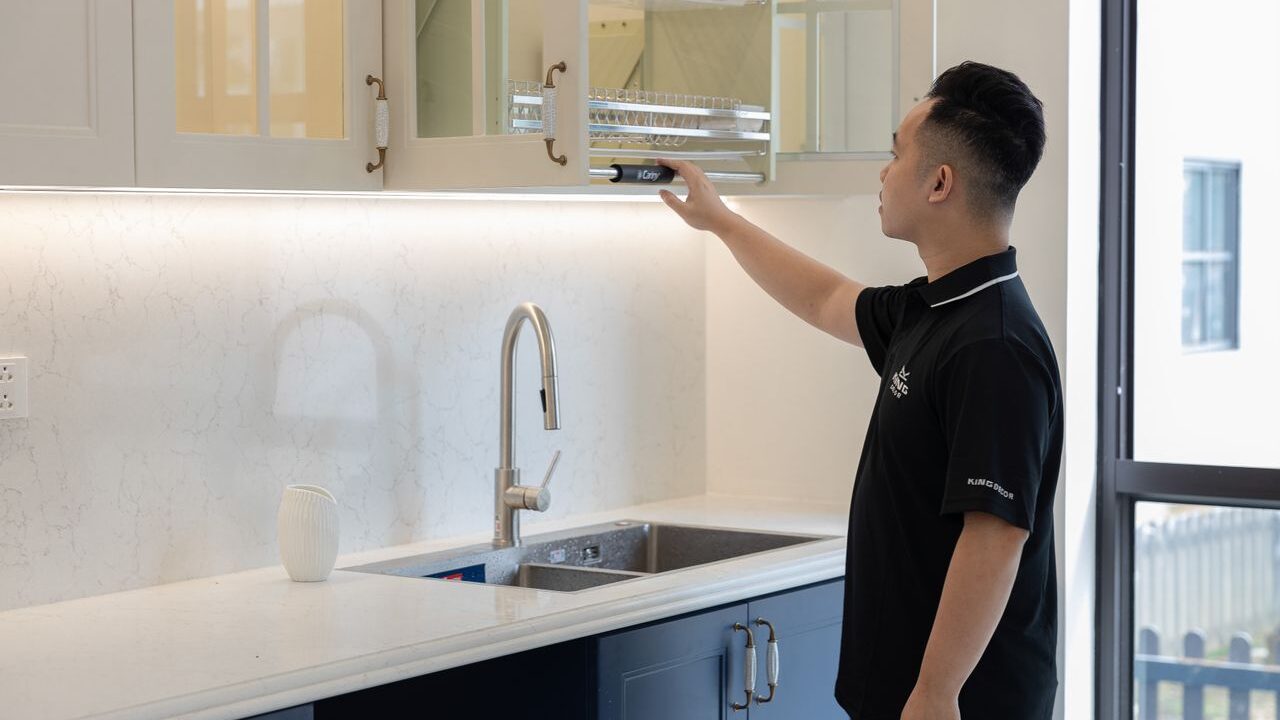
These visuals show how sculleries can feel inviting rather than purely utilitarian.
Materials, Fixtures, and Smart Choices
- Counters: Quartz or butcher block for durability and ease. Quartz wins for wet areas (stain-resistant). Butcher block adds warmth but needs maintenance.
- Sinks: Deep Belfast or apron-front fireclay. Pair with a high-arc faucet or pot filler.
- Flooring: Tile or luxury vinyl—waterproof and forgiving. Avoid carpet or delicate hardwood.
- Lighting: Task lighting over counters plus ambient. Under-cabinet LEDs are game-changers.
- Appliances: Second dishwasher (or drawer), beverage fridge, microwave drawer. Compare models honestly—Bosch for quiet operation, KitchenAid for capacity in busy homes. Verdict: Invest in quiet, energy-efficient ones; noise carries.
Storage solutions like pull-outs, adjustable shelves, and pegboards maximize usability.
Layout Options and Practical Considerations
Proximity to the main kitchen is non-negotiable—steps add friction. Consider traffic flow, ventilation (for smells), and sound insulation if near living areas. In new builds, plan plumbing early. For remodels, assess existing walls carefully.
Budget tip: Start simple with sink + counters, then add appliances. Total costs vary widely by size and finishes.
Common Pitfalls and Honest Verdicts
1: Too far or too small becomes unused.
Pitfall 2: Poor lighting or ventilation—feels like a closet.
Pitfall 3: Over-designing—keep it practical first.
Verdict on worth it: Absolutely for frequent cooks and hosts. In smaller homes, a well-planned butler’s pantry or enlarged pantry might suffice. Always weigh against your lifestyle.
Future Trends in Scullery Design
Sustainability is rising: eco-materials, smart storage systems, integrated charging stations. Multi-use spaces (scullery + laundry or mudroom hybrid) for smaller footprints. Expect more personalization—art, plants, or coffee nooks—making them feel like extensions of the home rather than service rooms. Technology like app-controlled appliances will integrate seamlessly.
FAQs
How much does a scullery cost?
Simple additions start around $8k–15k; luxury ones $20k+. Factors include plumbing and appliances.
Can I add one in a remodel?
Yes, but structural and plumbing assessments are key. Pocket doors help in tight spaces.
Is it worth it for small homes?
Often a compact version or combined pantry works better than none.
What appliances are must-haves?
Sink and storage first. Dishwasher second. Others depend on needs.
Conclusion
A scullery isn’t about adding square footage for show it’s about reclaiming sanity in how your home functions. It lets the kitchen be the warm gathering spot it’s meant to be, while the real work happens efficiently nearby. In my experience, once you live with one, it’s hard to imagine going back. Whether you’re planning a build, remodel, or just dreaming, consider how this classic-yet-fresh idea could elevate your daily life. The best designs feel personal, practical, and quietly luxurious. They prove that thoughtful function is the ultimate elegance.
Author Bio
Alex Rivera is a seasoned interior design researcher and consultant with over 15 years of experience in residential architecture and kitchen renovations. Having worked on projects ranging from historic restorations to contemporary custom homes, Alex specializes in functional layouts that enhance everyday living. A passionate home cook and frequent contributor to design publications, he draws from real client transformations and hands-on testing of materials and workflows to deliver practical, insightful advice. When not exploring design trends, Alex enjoys testing new recipes in his own evolving kitchen.