


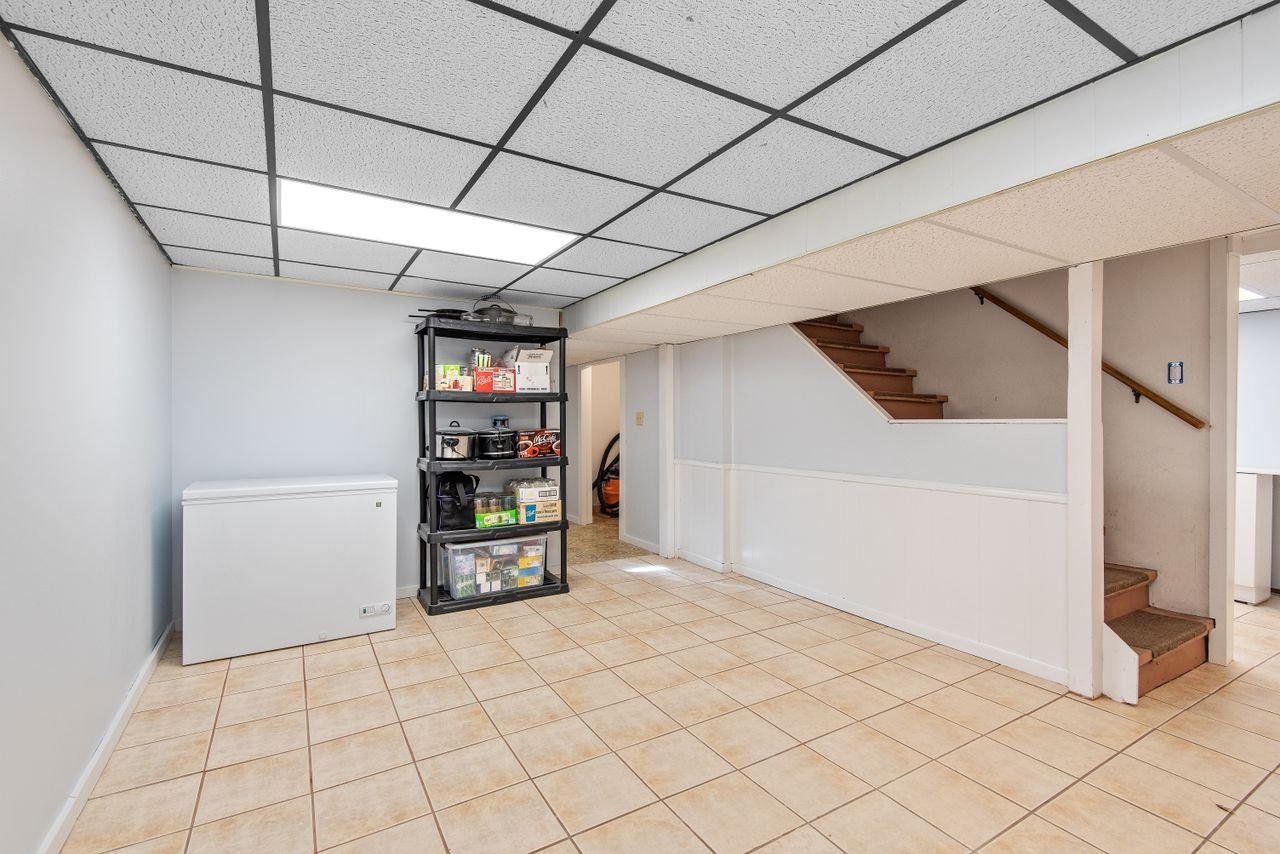
I have specified, installed, and later replaced more mineral fiber ceiling tiles than I care to count. In offices, classrooms, clinics, and the occasional basement remodel, they keep showing up for the same practical reasons: they quiet a room, resist fire, hide the mechanical mess above, and cost less than most alternatives. They are not glamorous, but when chosen and installed correctly they deliver reliable performance for years. This guide draws from that real-world experience.
Table of Contents
- What Mineral Fiber Ceiling Tiles Actually Are
- Key Benefits That Make Them a Default Choice
- Main Types and Performance Grades
- How They Compare to Other Ceiling Options
- Installation Tips That Prevent Common Problems
- Maintenance and Longevity Realities
- Frequently Asked Questions
- Final Thoughts
What Mineral Fiber Ceiling Tiles Actually Are
Mineral fiber ceiling tiles are rigid panels made primarily from mineral wool (often slag or rock wool), perlite, clay, recycled cellulose or paper fibers, and binders. The mixture is formed, dried, and finished into lightweight boards that drop into a standard T-bar suspension grid. Most commercial tiles measure 600 × 600 mm or 600 × 1200 mm (roughly 2 × 2 ft or 2 × 4 ft) and range from 12 mm to 18 mm thick.
The porous structure is what gives them their signature acoustic performance. Surface textures—smooth, sanded, or lightly embossed—further influence both appearance and sound absorption. Many modern products include recycled content and carry Class A fire ratings under ASTM E84 or equivalent standards.
Key Benefits That Make Them a Default Choice
Acoustic control is the strongest selling point. Typical Noise Reduction Coefficient (NRC) values sit between 0.50 and 0.75; higher-performance versions reach 0.80–0.90. In open offices, classrooms, and corridors this reduces echo and improves speech clarity without additional wall treatments.
Fire resistance is inherent. Non-combustible mineral fibers produce low flame-spread and smoke-development ratings, making the tiles suitable for most commercial and institutional buildings.
Thermal insulation and light reflectance help modestly with energy use and perceived brightness. Many tiles reflect 80–88 % of light, reducing the need for extra fixtures.
Access and cost remain decisive advantages. Individual tiles lift out for service access to ducts, wiring, or sprinklers, then drop back in. Upfront material cost is among the lowest of any ceiling system—often $1–4 per square foot for standard tiles—while lifecycle access savings add up over decades.
Sustainability credentials have improved. Recycled content of 30–70 % is common, and many lines support green-building certifications.
Main Types and Performance Grades
Not every mineral fiber tile is the same. Specifiers usually choose among these categories:
- Standard commercial tiles – Balanced NRC (0.50–0.65), Class A fire rating, good light reflectance. Everyday offices and corridors.
- High-acoustic tiles – Elevated NRC (0.70–0.90) for open-plan spaces, call centers, and classrooms.
- Humidity-resistant or “high-RH” tiles – Special coatings or denser formulations that tolerate up to 90–99 % relative humidity without sagging. Useful in kitchens, restrooms, and milder humid climates.
- Healthcare or cleanable tiles – Smoother, scrubbable surfaces that withstand regular disinfection.
- Aesthetic variants – Beveled, tegular, or fine-textured edges that reduce the visual impact of the grid. Some offer subtle patterns or higher light reflectance.
Always verify product-specific test reports for fire, acoustics, and humidity performance rather than relying on generic claims.
How They Compare to Other Ceiling Options
Against gypsum board (drywall), mineral fiber wins on access, speed of installation, and acoustic absorption, but loses on seamless appearance and moisture resistance in very wet areas. Metal ceilings offer superior durability and cleanability yet cost more and usually need extra acoustic backing. PVC or plastic tiles resist moisture far better but provide weaker sound absorption and fire performance. Fiberglass tiles can achieve higher NRC values and lighter weight, yet they often lag in ceiling attenuation (sound blocking between rooms) and can feel less substantial.
Mineral fiber remains the practical middle ground for most commercial and many residential suspended ceilings where budget, acoustics, and service access matter more than a perfectly continuous surface.
Installation Tips That Prevent Common Problems
Successful installation starts with the grid. Use a level or laser to mark the finished ceiling height, then install perimeter wall angles. Hang main runners perpendicular to the joists (typically on 4 ft centers) with hanger wire or proprietary clips. Cross tees complete the modules. Keep the entire grid true and square—small errors compound quickly.
Condition the tiles in the space for at least 24 hours before installation so they adjust to temperature and humidity. Cut face-up with a sharp utility knife; a dull blade crushes edges. Handle panels carefully—edges and faces are fragile. Drop tiles into the grid gently; forcing them risks chips.
Avoid placing insulation or other weight directly on the tiles; most manufacturers limit additional loading. In high-humidity environments choose rated products and confirm environmental conditions stay within warranty limits during and after installation. For penetrations (lights, sprinklers, ducts), measure twice and cut cleanly so the tile still sits securely on the grid.
Professional crews finish a typical commercial room in a day or two once the grid is up. DIY is feasible for smaller residential spaces if the layout is straightforward and safety gear is used when working overhead.
Maintenance and Longevity Realities
Dust with a soft brush or vacuum attachment. Spot-clean according to the manufacturer’s guidance—many standard tiles do not tolerate aggressive wet cleaning. Replace damaged or stained tiles individually; keep a few extras from the same dye lot. In humid climates, sagging or discoloration is the most common long-term issue; humidity-resistant grades reduce but do not eliminate the risk. Properly installed systems routinely last 15–25 years in conditioned spaces before widespread replacement becomes necessary.
Frequently Asked Questions
Are mineral fiber tiles safe?
Modern products meet Class A fire standards and low-VOC requirements. Some older formulations raised concerns about binders; current commercial lines are generally considered safe for occupied buildings when installed as directed.
Can they be used in bathrooms or kitchens?
Only humidity-rated versions. Standard tiles can sag or stain with prolonged moisture exposure.
How much do they cost installed?
Material alone is inexpensive. Full installed cost for a commercial suspended system typically falls in a moderate range once grid, labor, and accessories are included—still competitive with finished drywall once access and acoustics are valued.
Do the grid lines have to show?
Standard lay-in systems leave the T-bar visible. Tegular or concealed-edge tiles reduce the visual impact, and some design lines offer narrower or colored grids.
Can I paint them?
Painting is generally discouraged; it can seal the porous surface and reduce acoustic performance. If appearance must change, replacement is usually the better route.
Final Thoughts
Mineral fiber ceiling tiles succeed because they solve everyday problems—noise, fire safety, access, and budget—without demanding perfection. They are not the right choice for every aesthetic or every wet environment, but in the majority of commercial and many residential suspended-ceiling applications they remain hard to beat. Specify the correct performance grade for the space, install the grid accurately, handle the tiles with care, and they will quietly do their job for years. That combination of practicality and reliability is why they keep appearing on projects long after trendier materials have come and gone.
Author Bio
Daniel Reyes is a construction specifier and former project manager with more than twenty years of experience in commercial interiors and suspended ceiling systems. He has overseen installations across offices, education, healthcare, and light industrial spaces, focusing on performance-driven material selection and practical detailing that stands up to real building conditions. His work emphasizes clear technical guidance that helps owners, designers, and installers avoid common pitfalls and achieve durable results.