


I still catch myself running my hand over a freshly finished walnut table and pausing. The surface feels alive—neither plastic-slick nor raw and unfinished—just wood, quietly enhanced. That tactile quality is what the current wave of wood finishes is chasing. After years of high-gloss film finishes and cool gray washes, the industry has shifted toward products that let the grain speak while still protecting the surface. What follows is a practical guide drawn from shop tests, client projects, and the clear direction of 2025–2026 trends.
Table of Contents
- Why Wood Finishes Are Changing Right Now
- The Rise of Matte and Low-Sheen Looks
- Hardwax Oils and Penetrating Finishes Take Center Stage
- Warm Natural Tones Over Cool Grays
- Eco-Friendly and Low-VOC Options That Actually Perform
- Practical Ideas for Furniture, Floors, and Built-Ins
- How to Choose and Apply the Right Finish
- Maintenance That Keeps the Beauty Intact
- Frequently Asked Questions
- Final Thoughts
Why Wood Finishes Are Changing Right Now
For a long time the default was a durable polyurethane film that sat on top of the wood like a clear plastic shield. It was tough, but it often looked and felt synthetic. Designers and homeowners started asking for something closer to the material itself—soft sheen, visible texture, and the ability to repair a scratch without stripping an entire surface.
At the same time, regulations and consumer preference pushed manufacturers toward lower emissions. Water-based systems, UV-LED curing, and plant-based oils moved from niche to mainstream. The result is a new generation of finishes that are healthier to apply, easier to maintain, and more honest about the wood underneath.
The Rise of Matte and Low-Sheen Looks
Matte (roughly 0–10% gloss) and satin (20–40% gloss) now dominate residential projects. High-gloss still appears on accent pieces or lacquered cabinetry, but for everyday furniture and floors it has largely stepped aside. Matte finishes scatter light, hide minor scratches, and make the grain feel more present. They pair especially well with the organic-modern and warm-minimal interiors that define current design.
In practice this means a dining table that looks like wood rather than a mirrored surface, and floors that forgive the scuffs of daily life instead of highlighting every footprint. Satin remains the versatile middle ground when a room needs a subtle glow without the high-maintenance drama of gloss.
Hardwax Oils and Penetrating Finishes Take Center Stage
The biggest technical shift is the return of penetrating oils, especially hardwax oils. Products such as Osmo Polyx-Oil, Rubio Monocoat, and similar systems soak into the wood rather than forming a thick surface film. They leave a matte, tactile surface that can be spot-repaired with a cloth and more oil.
These finishes excel on furniture, wide-plank floors, and architectural millwork where the natural character of the wood is the point. They are not as bulletproof as a multi-coat polyurethane against heavy abrasion, but for most homes the trade-off is worth it: easier maintenance, no peeling risk, and a surface that ages gracefully instead of looking worn when the film breaks. Many of the best versions are low-VOC or zero-VOC and use natural oils and waxes.
Warm Natural Tones Over Cool Grays
Cool gray and whitewashed woods that dominated the previous decade are fading. In their place come warmer mid-tones: natural and honey oak, soft walnut, smoked oak, and earthy browns. These colors feel grounded and pair easily with soft textiles, stone, and muted greens or terracottas.
Walnut remains the luxury default for modern pieces—rich without being heavy. White oak continues as the calm, versatile workhorse. Smoked or fumed oak adds quiet drama without the orange cast of older cherry stains. The guiding principle is enhancement rather than transformation: let the species show its own personality.
Eco-Friendly and Low-VOC Options That Actually Perform
Sustainability is no longer a marketing afterthought. Water-based polyurethanes have improved dramatically in clarity and hardness. Plant-based hardwax oils and natural oil systems reduce indoor air impact. UV-LED curing technology is expanding in industrial settings because it uses less energy and produces fewer emissions.
When choosing, look for transparent ingredient information and third-party low-VOC claims. Performance no longer has to be sacrificed; many of the best current products deliver both protection and lower environmental footprint.
Practical Ideas for Furniture, Floors, and Built-Ins
Dining and living furniture. A hardwax oil in matte or satin on walnut or white oak creates a surface that invites touch. Soften edges slightly and keep the finish consistent across a matching set so the room feels cohesive. For high-use tables, consider a slightly more durable satin version or a hybrid system.
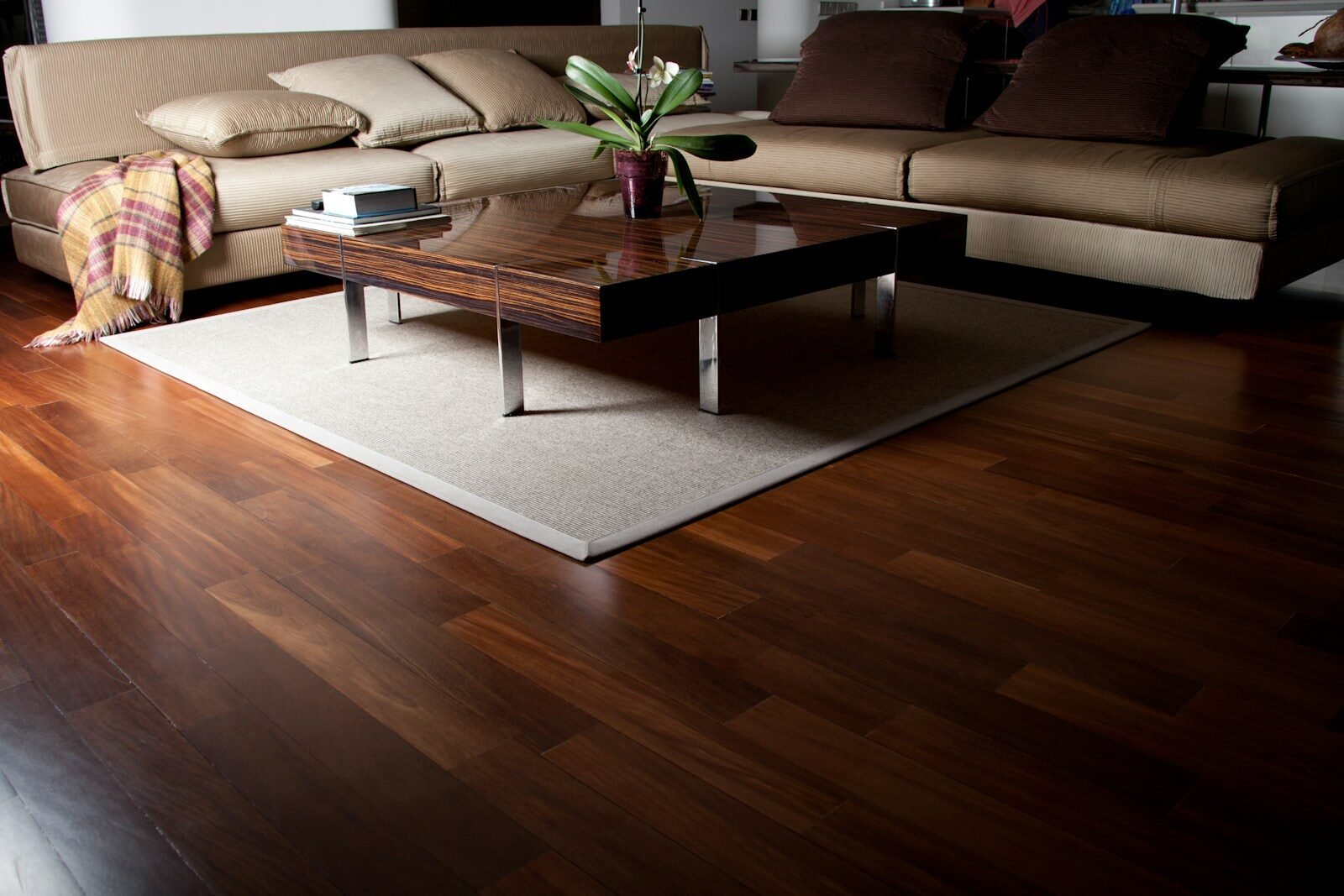
Hardwood floors. Matte or ultra-matte penetrating oils give the “bare wood” look while still protecting. Wire-brushed or lightly textured planks amplify the effect. In high-traffic areas a water-based polyurethane in low sheen offers stronger abrasion resistance while still reading natural.
Cabinetry and built-ins. Warm mid-tone stains under a low-sheen clear coat keep kitchens and storage walls from feeling cold. Fluted or reeded details benefit from matte finishes that highlight the texture instead of reflecting it away.
Accent pieces. Occasional high-gloss lacquer or a deeper smoked finish can create contrast against the quieter matte surfaces elsewhere in the room.
How to Choose and Apply the Right Finish
Match the finish to lifestyle first. Homes with pets, children, or heavy traffic need more durable systems. Pieces that are mostly decorative can lean fully into natural oils. Test samples on the actual wood species and under the lighting of the room—color and sheen shift dramatically with light.
Surface preparation remains non-negotiable. Sand progressively, remove dust thoroughly, and follow the manufacturer’s temperature and humidity guidelines. For hardwax oils, thin, even coats and thorough buffing produce the best results. Water-based polys usually need careful sanding between coats for a smooth surface.
Maintenance That Keeps the Beauty Intact
Oil and hardwax surfaces respond well to regular dry dusting and occasional re-oiling of high-wear zones. Avoid harsh cleaners; use products formulated for the specific finish. Film finishes benefit from gentle cleaning and timely repair of deep scratches before moisture reaches the wood. In both cases, prevention—felt pads, coasters, and humidity control—extends the life of any finish far more than any polish can.
Frequently Asked Questions
Is matte finish less durable than gloss?
Not inherently. Durability depends more on the chemistry (oil vs. polyurethane) and film thickness than on sheen level. Matte often hides wear better in daily use.
Can I switch from polyurethane to hardwax oil?
Yes, but the old film usually needs to be removed or thoroughly abraded first so the oil can penetrate.
How often do hardwax oils need refreshing?
In moderate residential use, every three to five years on high-wear surfaces is common. Spot repairs can be done as needed.
Are natural oil finishes safe for food-contact surfaces?
Many hardwax oils are food-safe once fully cured. Always check the specific product data sheet.
What is the easiest finish for a beginner?
A quality water-based polyurethane in satin or a single-coat hardwax oil system with clear instructions. Both are more forgiving than traditional solvent lacquers.
Final Thoughts
The best new wood finishes do not try to make wood look like something else. They protect it while letting grain, color, and texture remain visible and inviting. Matte hardwax oils, warm natural tones, and lower-VOC formulas have become the practical standard for furniture and floors that feel current without chasing short-lived trends.
Choose the chemistry that matches how the piece will be used, sample carefully under real light, and maintain the surface with the same respect you give the wood itself. Done well, the finish becomes almost invisible—leaving only the quiet pleasure of beautiful wood under hand and eye.
Author Bio
Marcus Hale is a furniture maker and finishes consultant with more than eighteen years of hands-on experience in residential and custom woodworking. He has tested and specified finishes for workshops, design studios, and private clients across North America, focusing on durable, low-impact systems that respect the material. His writing and teaching emphasize practical results over trend cycles, helping makers and homeowners achieve surfaces that look and feel like real wood for years to come.