

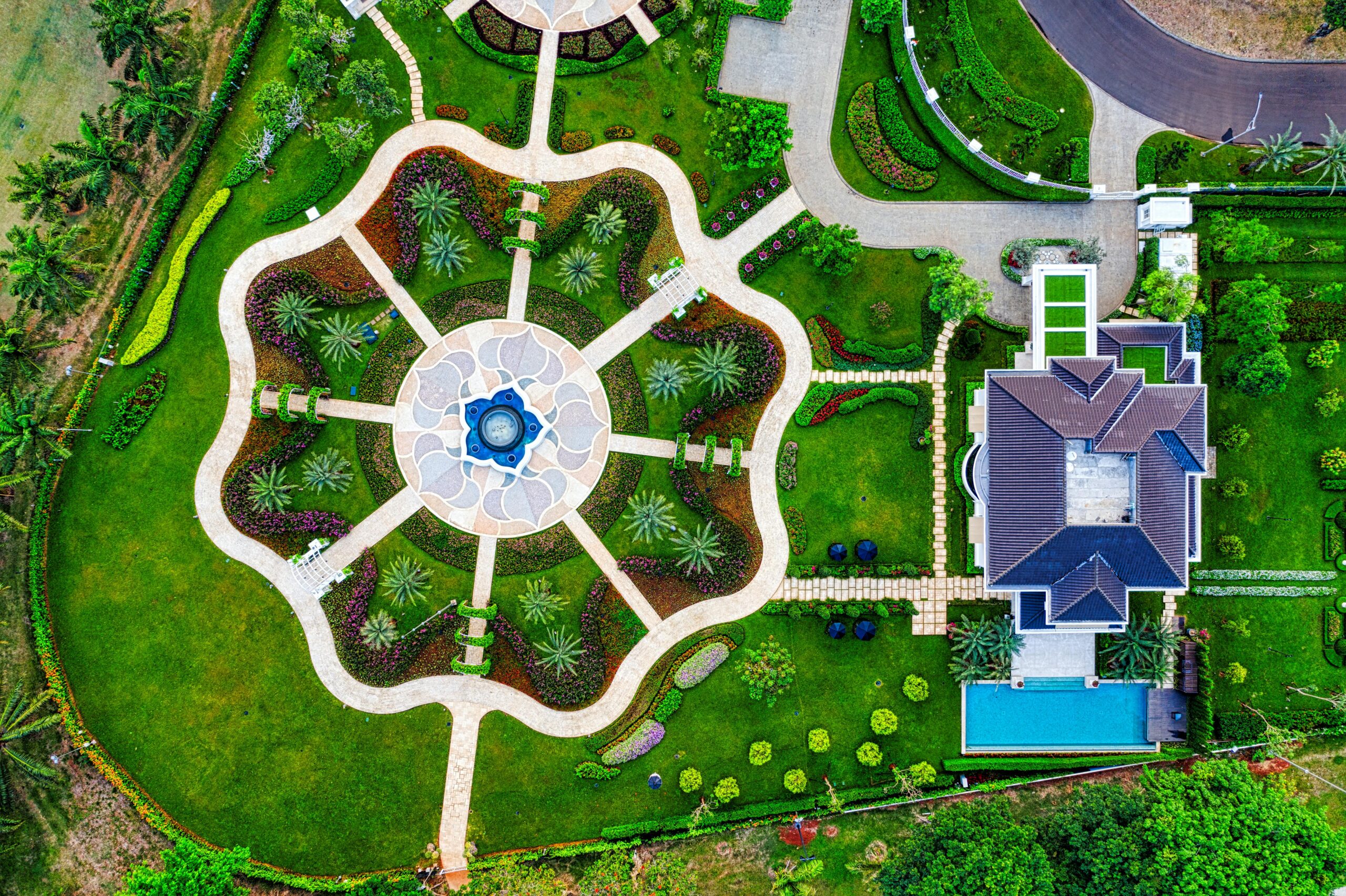
If you’ve ever looked at a beautiful garden, a well-designed yard, or an inviting outdoor space and wondered how it all comes together, you’re really asking one simple question: what is landscaping?
Landscaping is more than just planting flowers or mowing the lawn. It’s the process of designing, planning, and maintaining outdoor spaces to make them functional, attractive, and enjoyable.
A good landscape can:
- Increase property value
- Improve outdoor living
- Reduce maintenance stress
- Create a relaxing environment
This guide explains landscaping in clear, simple terms based on real-world experience, not theory—so you can understand how it works and how to apply it.
What Is Landscaping? (Simple Definition)
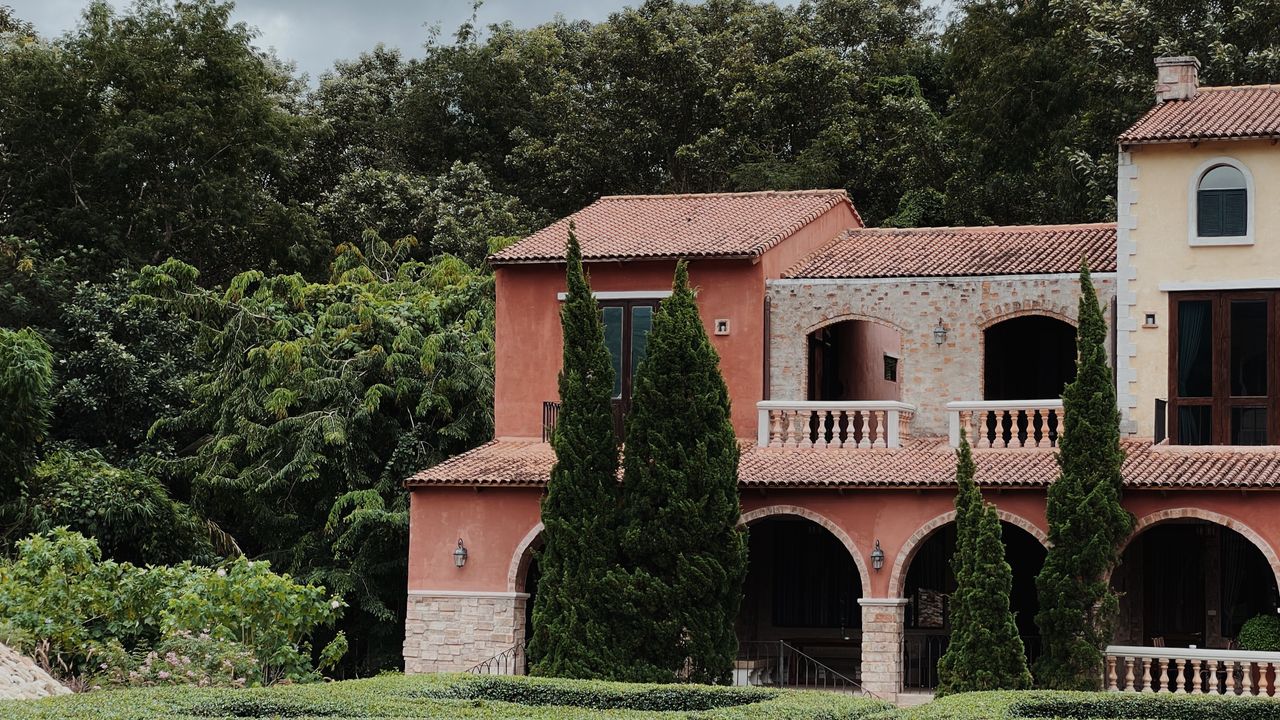
Landscaping is the practice of modifying outdoor land areas by combining natural elements (like plants and soil) with man-made features (like pathways and patios).
In simple words:
👉 Landscaping = how you design and manage your outdoor space
The Two Main Types of Landscaping
To truly understand landscaping, you need to know its two core parts.
1. Softscaping (Living Elements)
Softscaping includes all the natural, living components.
Examples:
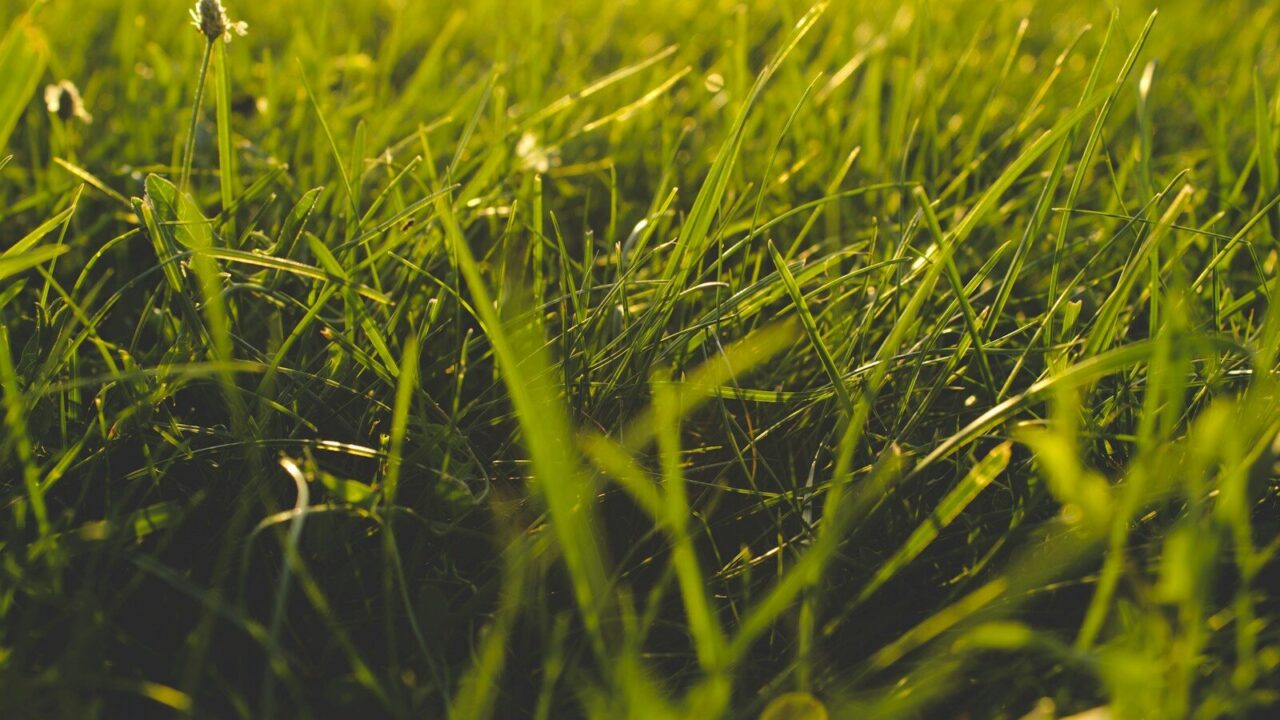
- Grass
- Trees
- Shrubs
- Flowers
- Soil
Why It Matters
Softscaping:
- Brings life and color
- Improves air quality
- Creates shade and comfort
Expert Tip
Choose plants based on your local climate, not just appearance. This reduces maintenance and increases survival rates.
2. Hardscaping (Structural Elements)
Hardscaping refers to the non-living features in your yard.
Examples:
- Patios
- Walkways
- Driveways
- Retaining walls
- Decks
Why It Matters
Hardscaping:
- Adds structure and usability
- Defines space
- Reduces maintenance areas
Insider Tip
Start with hardscaping first. It’s harder to change later compared to plants.
Key Elements of Landscaping Design
Good landscaping isn’t random it follows basic design principles.
1. Layout and Planning
Before planting anything, you need a plan.
Questions to Ask:
- How will you use the space?
- Where does sunlight fall?
- How does water drain?
Practical Advice
Sketch your yard. Even a simple drawing helps avoid costly mistakes.
2. Balance and Proportion
A good landscape feels “right” because elements are balanced.
Types of Balance:
- Symmetrical (formal)
- Asymmetrical (natural look)
Tip
Avoid overcrowding. More plants don’t always mean better design.
3. Focal Points
Every landscape should have something that draws attention.
Examples:
- A tree
- A water feature
- A seating area
Insider Tip
Without a focal point, your yard can feel messy or unfinished.
4. Color and Texture
Mixing colors and textures adds depth.
Simple Rule:
- Combine different leaf shapes
- Use seasonal colors
Expert Insight
Stick to 2–3 main colors for a clean look.
Types of Landscaping Styles
Your landscaping style affects everything from plant choice to layout.
1. Modern Landscaping
- Clean lines
- Minimal plants
- Neutral colors
Best for low maintenance.
2. Traditional Landscaping
- Symmetrical design
- Classic plants
- Defined pathways
Timeless and structured.
3. Natural (Wild) Landscaping
- Native plants
- Less formal layout
- Eco-friendly
Great for sustainability.
4. Desert Landscaping
- Drought-resistant plants
- Gravel and stones
- Minimal water use
Ideal for dry climates.
Benefits of Landscaping (Beyond Looks)
1. Increases Property Value
Well-designed landscaping can increase property value by 10–20%.
2. Improves Mental Well-Being
Spending time in a green space:
- Reduces stress
- Improves mood
3. Saves Energy
Trees and plants can:
- Provide shade
- Reduce cooling costs
4. Better Outdoor Living
Landscaping creates usable spaces for:
- Relaxing
- Entertaining
- Family time
Step-by-Step Landscaping Process
Step 1: Assess Your Space
Look at:
- Soil condition
- Sunlight
- Drainage
Step 2: Set a Budget
Be realistic. Landscaping costs can add up quickly.
Step 3: Create a Design Plan
Include:
- Plant placement
- Pathways
- Features
Step 4: Start with Hardscaping
Install:
- Paths
- Patios
- Structures
Step 5: Add Plants
Start with:
- Trees
- Shrubs
Then move to flowers.
Step 6: Maintain Regularly
- Water
- Trim
- Clean
Insider Tips for Better Landscaping Results
1. Use Native Plants
Native plants:
- Require less water
- Survive better
- Need less care
2. Group Plants Smartly
Group plants with similar:
- Water needs
- Sunlight needs
This reduces maintenance.
3. Think Long-Term
Small plants grow.
👉 Plan for their full size not how they look today.
4. Invest in Soil Quality
Healthy soil = healthy plants.
Add:
- Compost
- Organic matter
5. Don’t Overdesign
Simple designs often look better and last longer.
Common Landscaping Mistakes to Avoid
Mistake 1: No Clear Plan
Leads to wasted money and poor results.
Mistake 2: Ignoring Climate
Plants that don’t match your climate will struggle.
Mistake 3: Overcrowding Plants
Plants need space to grow.
Mistake 4: Poor Drainage
Water buildup can damage plants and structures.
Mistake 5: Skipping Maintenance Planning
Even low-maintenance landscapes need care.
Landscaping vs Gardening: What’s the Difference?
Many people confuse these two.
Landscaping:
- Big picture design
- Includes structures
Gardening:
- Focus on plants
- Smaller scale
👉 Gardening is part of landscaping.
DIY vs Professional Landscaping
DIY Landscaping
Best for:
- Small projects
- Budget-friendly plans
Professional Landscaping
Best for:
- Large areas
- Complex designs
Expert Tip
Hire professionals for:
- Drainage issues
- Structural work
Tools You Need for Landscaping
Basic tools include:
- Shovel
- Rake
- Pruners
- Hose or irrigation system
How Much Does Landscaping Cost?
Costs vary widely.
Average Range:
- Basic: $500–$3,000
- متوسط projects: $3,000–$10,000
- High-end: $10,000+
Tip
Start small and expand over time.
Landscaping Trends for 2026
1. Low-Maintenance Yards
People prefer:
- Less work
- More relaxation
2. Sustainable Landscaping
- Native plants
- Water conservation
3. Outdoor Living Spaces
- Seating areas
- Outdoor kitchens
4. Smart Irrigation Systems
- Automated watering
- Saves water and time
Final Thoughts: Landscaping Done Right
Understanding what landscaping is gives you the power to transform any outdoor space into something useful and beautiful.
You don’t need a huge budget or professional skills to get started.
Focus on:
- Planning
- Simplicity
- Long-term thinking
And most importantly create a space that works for your lifestyle.
[…] Direction Should a House Face? What Is Landscaping? Steel vs Fiberglass Door Mistaken Plants That Look Like Japanese Knotweed Solar Panel […]