

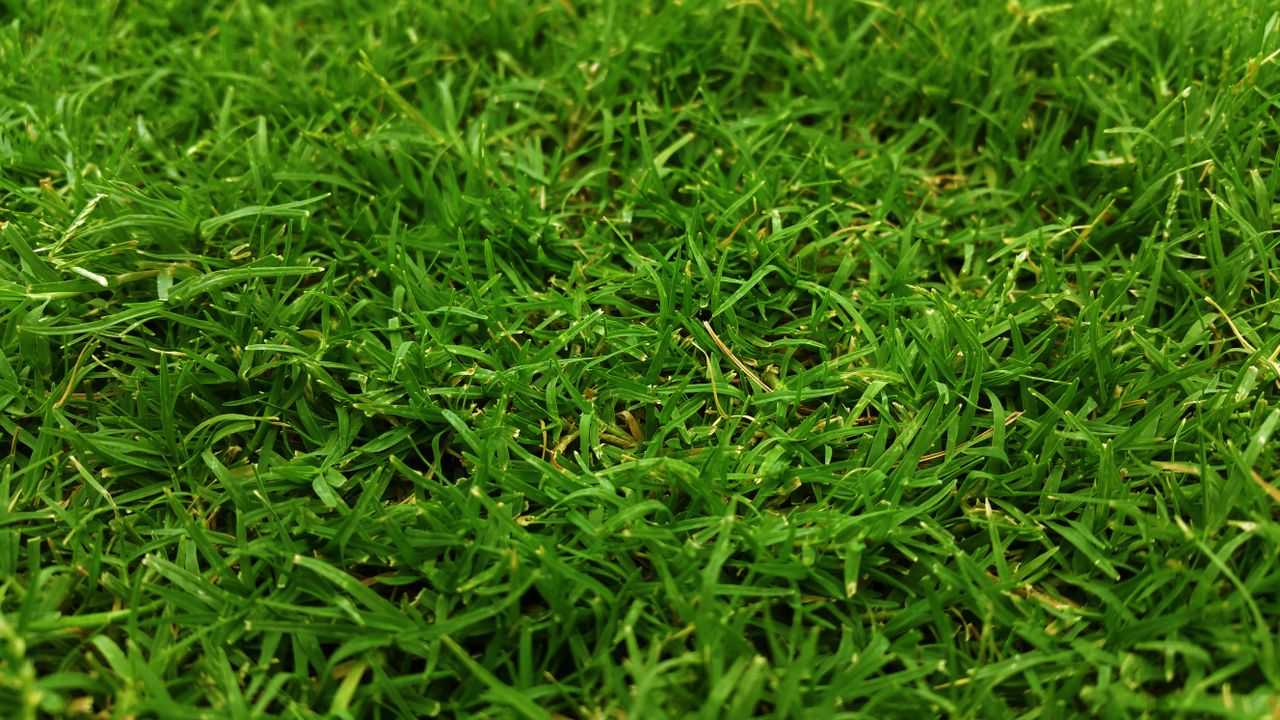
Ask ten landscapers which warm-season grass is “better,” and you’ll get ten different answers depending on the last lawn they worked on. I’ve walked sod farms in the Carolinas, watched large patch disease wreck a client’s Zoysia lawn after a wet spring, and re-sodded a Bermuda yard that had gone half-dormant under a shade tree the homeowner swore was “not that big.” Both grasses have loyal fans and legitimate weaknesses, and the comparison only gets useful once you stop treating it as a popularity contest and start looking at the actual agronomy underneath it.
This is a straight, detailed side-by-side — not which one “wins,” but what each one is genuinely built for.
Table of Contents
- Botanical Background and Growth Habit
- Climate Zones and Cold Tolerance
- Water and Drought Performance
- Shade Tolerance Compared
- Traffic Tolerance and Recovery Speed
- Soil Preferences and pH Range
- Mowing Height and Frequency
- Fertilizer and Nutrient Needs
- Disease and Insect Vulnerability
- Installation Methods and Timelines
- Cost Breakdown Per Square Foot
- Environmental and Water-Use Considerations
- Head-to-Head Comparison Table
- Pros and Cons at a Glance
- Frequently Asked Questions
- The Bottom Line
Botanical Background and Growth Habit
Bermuda grass, botanically Cynodon dactylon, originated in Africa and spread worldwide as one of the most heat-tolerant turf species available. It propagates through both stolons (above-ground runners) and rhizomes (below-ground runners), which is what gives it such an aggressive, self-repairing growth pattern.
Zoysia belongs to a different genus entirely. Zoysia japonica and Zoysia matrella are native to East Asia and also spread via stolons and rhizomes, but at a noticeably slower pace. The practical result: Bermuda behaves like a grass that’s constantly trying to colonize new ground, while Zoysia behaves like a grass building a dense, tightly-knit mat in place. This single genetic difference in growth speed is the root cause of nearly every practical trade-off between the two.
Climate Zones and Cold Tolerance
Bermuda is rated reliably hardy in USDA zones 7 through 10, with some improved hybrids pushing into the warmer parts of zone 6. Below that, winter kill becomes a real risk rather than a minor inconvenience — a hard enough freeze can kill the crowns outright.
Zoysia extends further north. Meyer zoysia, developed specifically for cold tolerance, performs reliably in zone 6 and has been used successfully in sheltered zone 5 locations. This is the primary reason turf researchers point to Zoysia as the safer warm-season option through the transition zone states — Virginia, North Carolina’s piedmont, Tennessee, Kentucky, and similar climates where Bermuda’s winter survival becomes unpredictable.
Water and Drought Performance
Both species rank among the most drought-tolerant turfgrasses used in residential landscaping, which is exactly why both have displaced cool-season lawns across huge swaths of the South and Southwest over the last thirty years.
Bermuda’s fibrous, aggressive root system allows for rapid stress response — it browns quickly under drought but also greens back up quickly once moisture returns. Zoysia develops a deeper, more extensive root system in well-structured soil, sometimes extending past six inches, which gives it excellent long-term drought resilience, though its slower overall metabolism means visible recovery after a drought period takes longer than Bermuda’s.
Newer Bermuda cultivars, particularly TifTuf, were bred explicitly to reduce water requirements while maintaining density and color, and have become popular in municipalities enforcing watering restrictions.
Shade Tolerance Compared
Neither grass is a true shade performer, but the gap between them is significant enough to change a planting decision outright.
Zoysia tolerates meaningfully less light — generally performing acceptably with four to six hours of sun — and fine-textured cultivars like Zeon and Emerald hold up better under dappled shade from open-canopy trees than any Bermuda variety on the market.
Traffic Tolerance and Recovery Speed
This is where growth rate cuts both ways. Bermuda’s rapid lateral spread makes it the standard choice for athletic fields and golf fairways specifically because it self-repairs from divots, cleats, and heavy use within days to a couple of weeks during active growth.
Zoysia, once mature, actually produces a denser, more cushioned turf canopy that resists wear exceptionally well — golf course superintendents use it on tees and fairways for exactly that density. The catch is recovery: a bare or damaged patch in Zoysia can take a full growing season to close back in, since the grass simply doesn’t produce new stolon growth at Bermuda’s pace.
Soil Preferences and pH Range
Both grasses are relatively adaptable to soil type, tolerating everything from sandy to clay-heavy soils as long as drainage is reasonable. Bermuda performs best in a pH range of roughly 5.8 to 7.0 and tolerates compacted or lower-fertility soils better than most warm-season alternatives, which partly explains its popularity on roadside and utility right-of-way plantings.
Zoysia prefers a similar pH range, generally 5.5 to 7.0, but is somewhat less forgiving of poor drainage — waterlogged soil significantly increases its susceptibility to large patch disease, discussed further below.
Mowing Height and Frequency
Bermuda’s fast growth demands frequent attention. Hybrid varieties like Tifway or Celebration look best mowed between half an inch and one and a half inches, a height that typically requires a reel mower rather than a standard rotary deck, and during peak summer growth, weekly mowing is often the bare minimum to prevent scalping issues.
For homeowners specifically trying to reduce mowing frequency, this is one of Zoysia’s most tangible advantages.
Fertilizer and Nutrient Needs
Bermuda is a heavy feeder. Extension guidelines commonly recommend four to six pounds of nitrogen per 1,000 square feet annually to sustain density and color, split across multiple applications through the growing season.
Zoysia needs meaningfully less — typically one to four pounds of nitrogen per 1,000 square feet per year. Over-fertilizing Zoysia is actually a common mistake; excess nitrogen increases its vulnerability to large patch disease and can push growth that outpaces the grass’s natural, tighter growth habit.
Disease and Insect Vulnerability
Bermuda’s common problems include dollar spot, spring dead spot (a serious cold-climate disease that damages Bermuda over winter), and periodic armyworm outbreaks in late summer. Its aggressive rhizome spread also makes it a persistent nuisance in adjacent garden beds, where runners can travel well beyond the lawn’s edge.
Zoysia’s primary disease concern is large patch, a fungal issue that thrives in cool, wet conditions and poorly drained soil, most commonly appearing in spring and fall rather than summer. It’s also more susceptible to billbug damage than Bermuda. On balance, once fully established, Zoysia’s density suppresses weed pressure more effectively than Bermuda simply because there’s less open soil for weed seeds to colonize.
Installation Methods and Timelines
Bermuda can be established from seed, sod, sprigs, or plugs, and seeded common Bermuda is one of the fastest, cheapest ways to get a warm-season lawn established — germination typically occurs within ten to thirty days, with reasonably full coverage achievable in a single growing season.
Zoysia is far more commonly installed as sod or plugs because seeded Zoysia (cultivars like Zenith or Compadre) germinates slower and less uniformly. Plugs are a budget-friendly option but typically take one to two full growing seasons to knit together into a solid lawn. This patience requirement is the single biggest practical barrier to Zoysia adoption for homeowners used to faster-establishing turf.
Cost Breakdown Per Square Foot
| Installation Method | Bermuda Grass | Zoysia Grass |
|---|---|---|
| Seed (material only) | Lower cost, widely available | Available but pricier, uneven germination |
| Sod | Moderate cost | Moderate to higher cost |
| Plugs | Less common | Budget-friendly, slow fill-in |
| Professional installation | Generally lower labor cost due to faster establishment | Often higher due to slower establishment and follow-up care |
| Long-term maintenance cost | Higher (more mowing, more fertilizer) | Lower (less mowing, less fertilizer) |
The pattern that shows up across most regional sod pricing is consistent: Zoysia costs more to install because it takes sod farms longer to grow a harvestable crop, but it often costs less to maintain year after year once it’s established.
Environmental and Water-Use Considerations
Both grasses reduce irrigation demand substantially compared to cool-season lawns, which matters increasingly as more regions face water-use restrictions. Bermuda’s faster growth means more clippings and more frequent mowing, translating to higher fuel or electricity use for mowing equipment over a season. Zoysia’s slower growth reduces mowing frequency and, by extension, the associated fuel use and emissions tied to lawn equipment — a smaller but real factor in the grass’s overall environmental footprint.
Breeding trends across both species are trending toward lower water and input requirements, driven largely by municipal water restrictions across the Sun Belt. Expect this to keep shaping which cultivars sod farms prioritize growing over the next several years.
Head-to-Head Comparison Table
| Category | Bermuda Grass | Zoysia Grass |
|---|---|---|
| Growth speed | Fast, aggressive | Slow, dense |
| Cold hardiness | Zones 7–10 | Zones 5/6–9 |
| Shade tolerance | Poor | Moderate |
| Drought tolerance | Excellent | Excellent |
| Wear recovery | Fast | Slow |
| Density once mature | Good | Excellent |
| Mowing frequency | Weekly (summer) | Every 10–14 days |
| Fertilizer demand | High | Low to moderate |
| Primary disease risk | Spring dead spot, dollar spot | Large patch |
| Establishment speed | Fast | Slow |
| Typical install cost | Lower to moderate | Moderate to higher |
Pros and Cons at a Glance
Bermuda Grass
- Pros: fast establishment, excellent heat and sun tolerance, rapid self-repair, widely available and affordable
- Cons: poor shade tolerance, high mowing and fertilizer demands, invasive into garden beds, limited cold hardiness
Zoysia Grass
- Pros: better shade and cold tolerance, lower long-term maintenance, dense and cushioned texture, strong weed suppression once established
- Cons: slow establishment, slow recovery from damage, higher upfront cost, more susceptible to large patch in wet conditions
Frequently Asked Questions
Which grass spreads faster, Zoysia or Bermuda? Bermuda spreads considerably faster through both stolons and rhizomes, which is why it’s favored for fast establishment and quick recovery from damage.
Is Zoysia grass invasive like Bermuda? Zoysia can spread into adjacent beds over time, but at a much slower rate than Bermuda, making it easier to contain with standard edging.
Which grass is more drought-tolerant, Bermuda or Zoysia? Both are highly drought-tolerant once established. Bermuda recovers from drought stress faster, while Zoysia’s deeper root system provides strong long-term resilience with a slower visible recovery.
Does Zoysia grass go dormant in winter? Yes. Like Bermuda, Zoysia goes dormant and turns tan or brown with the first frost, though it typically goes dormant slightly earlier in fall and greens up later in spring.
Can I convert a Bermuda lawn to Zoysia, or vice versa? Yes, but it requires killing off the existing turf completely before installing the new grass, since the two species will compete and produce an uneven, patchy lawn if allowed to mix.
Which grass is better suited for the transition zone? Zoysia is generally the safer choice in transition-zone climates due to its stronger cold tolerance, though Bermuda can still succeed in the warmer portions of that region.
The Bottom Line
Strip away the marketing and the comparison comes down to a genetics-driven trade-off: Bermuda’s speed versus Zoysia’s density. Bermuda establishes faster, repairs itself faster, and tolerates full sun and heat better than almost any turf option available. Zoysia trades that speed for a lower-maintenance, more shade-tolerant, more cold-hardy lawn that simply asks for more patience during its first year or two in the ground. Neither is a universally correct answer — the right one depends on your climate, your sun exposure, and how much you value fast results over long-term ease.
About the Author
This comparison was compiled by a turf and landscape researcher with hands-on field experience across residential and commercial lawn installations in the Southeast and transition-zone United States. Their approach combines practical, on-site observation from real installs with published university extension research on warm-season turfgrass, aimed at giving readers agronomically accurate, marketing-free guidance.