

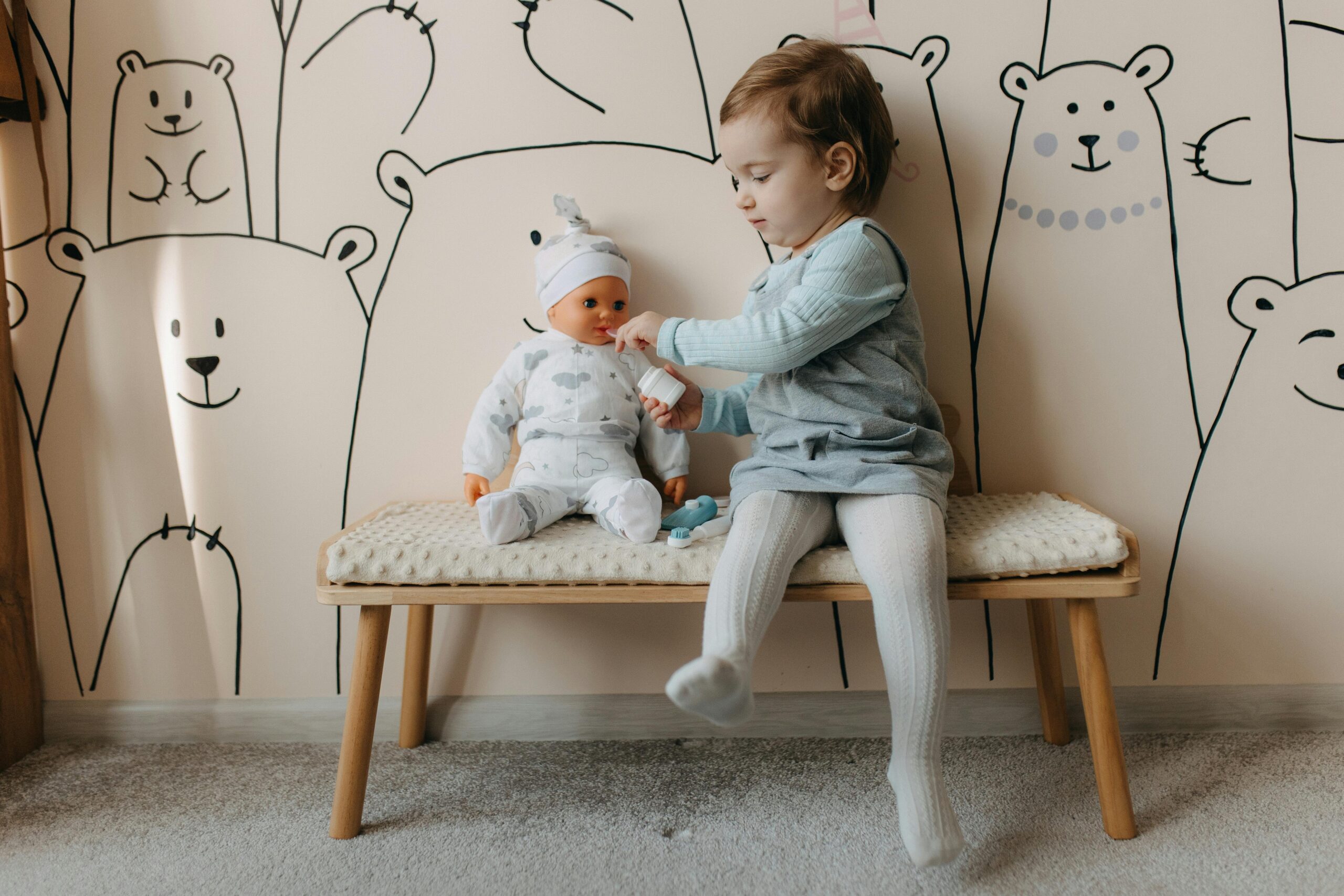
Dolls House Wallpaper Guide: Styles, Sizes & Application Tips is a practical and detailed resource for hobbyists, collectors, and miniature design lovers who want to create realistic and visually appealing interiors. Wallpaper is one of the most important design elements in a dolls house because it defines mood, scale accuracy, and overall realism.
Unlike full-scale interior design, dolls house wallpapering requires precision, correct scaling, and careful material selection. A small mistake in pattern size or application can make a room look unrealistic or visually unbalanced.
This guide explains everything from wallpaper styles and sizing rules to application techniques used by experienced miniature designers. It also includes insider tips to help you avoid common mistakes and achieve a professional finish.
Why Dolls House Wallpaper Matters
Wallpaper in a dolls house is not just decoration. It directly affects how realistic the miniature space feels.
Key Functions of Wallpaper in Miniatures
- Creates visual depth in small rooms
- Defines architectural style (Victorian, modern, rustic)
- Enhances realism through scale accuracy
- Adds personality and storytelling elements
Expert Insight: In miniature design, walls often take up more visual space than furniture. This makes wallpaper one of the most impactful design decisions.
Understanding Scale in Dolls House Wallpaper
Before choosing wallpaper, understanding scale is essential.
Common Dolls House Scales
- 1:12 scale (most popular)
- 1:24 scale
- 1:48 scale
What Scale Means
A 1:12 scale means 1 inch in the model equals 12 inches in real life.
Why Scale Matters
If the wallpaper pattern is too large, the room will look unrealistic. If it is too small, it may appear visually empty or blurry.
Best Wallpaper Styles for Dolls Houses
1. Victorian Style Wallpaper
- Floral patterns
- Ornate details
- Rich colors like burgundy, gold, and green
Ideal for traditional miniature houses.
2. Modern Minimalist Wallpaper
- Simple geometric shapes
- Neutral colors
- Clean lines
Best for contemporary dolls house interiors.
3. Rustic and Cottage Style Wallpaper
- Soft floral prints
- Pastel tones
- Weathered textures
Used for cozy home aesthetics.
4. Children’s Room Wallpaper
- Cartoon themes
- Bright colors
- Playful patterns
5. Luxury Interior Wallpaper
- Damask patterns
- Metallic accents
- Deep color tones
Insider Tip: Luxury-style wallpapers look best when paired with minimal furniture to avoid visual clutter.
Choosing the Right Wallpaper Material
Printed Paper Wallpaper
- Most common
- Easy to cut and apply
- Affordable
Self-Adhesive Wallpaper
- No glue required
- Easy for beginners
- May have limited repositioning
Fabric Wallpaper
- Premium texture
- More realistic appearance
- Harder to apply
Printable Digital Wallpaper
- Custom designs
- High flexibility
- Requires quality printing
How to Measure Walls for Wallpaper
Accurate measurement ensures proper fitting.
Step-by-Step Method
- Measure wall height and width
- Add extra 5–10% for trimming
- Account for windows and doors
- Plan pattern alignment
Expert Insight: Always measure twice before cutting. Mistakes at this stage are difficult to fix in miniature work.
How to Choose Wallpaper Patterns
Large Patterns
- Better for bigger rooms
- Can overwhelm small spaces
Small Patterns
- Ideal for most dolls house rooms
- Maintain visual balance
Solid Colors
- Used for modern interiors
- Highlight furniture details
Step-by-Step Wallpaper Application Guide
1: Prepare the Surface
- Ensure walls are clean and smooth
- Remove dust and glue residue
2: Cut Wallpaper Panels
- Measure carefully
- Leave slight margin for adjustment
3: Apply Adhesive
- Use thin, even layer of glue
- Avoid excess moisture
4: Position Wallpaper
- Align from top to bottom
- Smooth air bubbles gently
5: Trim Edges
- Use sharp craft knife
- Follow wall edges precisely
6: Drying Time
- Allow 12–24 hours for full adhesion
Common Mistakes in Dolls House Wallpapering
Misaligned Patterns
Even slight misalignment looks obvious in miniature scale.
Overuse of Glue
Causes wrinkling and damage.
Ignoring Scale Matching
Large patterns can ruin realism.
Poor Surface Preparation
Dust or uneven surfaces reduce adhesion quality.
Insider Tips for Professional Results
- Use matte finish wallpaper for realism
- Always test print patterns before final use
- Match wallpaper with flooring tones
- Use a ruler for perfect alignment
- Work in good lighting for precision
Designing Room Themes with Wallpaper
Living Room Design
- Use elegant damask or neutral textures
Bedroom Design
- Soft floral or pastel tones
Kitchen Design
- Tile-effect wallpaper works best
Bathroom Design
- Light, clean patterns or tile prints
How Lighting Affects Wallpaper Appearance
Lighting plays a major role in miniature interiors.
Warm Lighting
- Enhances cozy wallpaper tones
Cool Lighting
- Highlights modern patterns
Natural Light Simulation
- Best for realistic photography setups
Tools Needed for Wallpapering
- Precision scissors
- Craft knife
- Small ruler
- Glue brush
- Tweezers
Maintenance of Dolls House Wallpaper
Dusting
Use soft brush or air blower.
Moisture Protection
Avoid exposure to humidity.
Repairing Damage
Replace small sections instead of full walls.
Advanced Design Techniques
Layered Walls
Combine wallpaper with paneling effects.
Accent Walls
Use bold patterns on one wall only.
Textured Effects
Mix paper and fabric materials.
Insider Tip: Accent walls help avoid visual overload in small rooms.
Budget Planning for Dolls House Wallpaper
- Basic printed sheets: low cost
- Designer prints: medium cost
- Custom digital prints: higher cost
Most hobbyists mix budget and premium options.
Is Wallpaper Necessary in Dolls Houses?
Technically no, but it greatly improves realism. Bare walls often look unfinished unless styled intentionally for modern minimal interiors.
Conclusion
Dolls House Wallpaper Guide: Styles, Sizes & Application Tips shows that wallpaper is a core element of miniature interior design. The right choice of scale, material, and application method can transform a simple dolls house into a highly realistic miniature environment.
Success depends on precision, patience, and attention to detail. With proper planning and correct techniques, even beginners can achieve professional-level results.