




Introduction
Black Wooden Floors Guide: Benefits, Drawbacks, and Care Tips explores one of the most striking interior flooring choices used in modern and luxury home design. Black wooden flooring delivers a bold, dramatic foundation that instantly changes the mood of a space. It adds depth, contrast, and a sense of sophistication when used correctly.
While popular in contemporary homes, black wood floors also come with practical considerations such as maintenance, lighting balance, and scratch visibility. Understanding both the advantages and limitations is essential before choosing this flooring style.
This guide covers benefits, drawbacks, best room uses, design pairing ideas, maintenance routines, installation tips, and expert interior advice to help you decide whether black wooden floors are right for your home.
What Are Black Wooden Floors?
Black wooden floors refer to hardwood or engineered wood flooring that is stained, painted, or finished in deep black or near-black tones. The goal is not always pure black but often a very dark charcoal or ebony finish that preserves wood grain texture.
Key Characteristics
- Deep dark finish (black, ebony, charcoal)
- Visible or semi-visible wood grain
- Matte, satin, or glossy surface options
- Strong visual contrast with walls and furniture
Expert Insight: The best black wood floors are not flat black surfaces. They retain subtle grain patterns that prevent the floor from looking artificial or plastic-like.
Benefits of Black Wooden Floors
1. Strong Visual Impact
Black floors immediately create a high-end, designer look.
- Adds depth to interiors
- Enhances architectural features
- Works as a bold foundation
2. Modern and Luxurious Appearance
Black wood is widely used in luxury apartments, hotels, and modern homes.
3. Enhances Furniture Contrast
Light furniture stands out dramatically against dark floors.
4. Timeless Appeal When Styled Correctly
When balanced well, black flooring avoids trend dependency.
5. Works Well in Open Spaces
Creates visual grounding in large, open-plan layouts.
Drawbacks of Black Wooden Floors
1. Shows Dust and Scratches Easily
Light dust, footprints, and scratches are more visible.
2. Can Make Small Rooms Feel Smaller
Dark surfaces absorb light and reduce visual space.
3. Requires Careful Lighting Design
Poor lighting can make rooms feel heavy or dull.
4. Maintenance Demands
Needs frequent cleaning to maintain polished appearance.
Insider Tip: Matte black finishes hide dust better than glossy versions while maintaining elegance.
Best Rooms for Black Wooden Floors
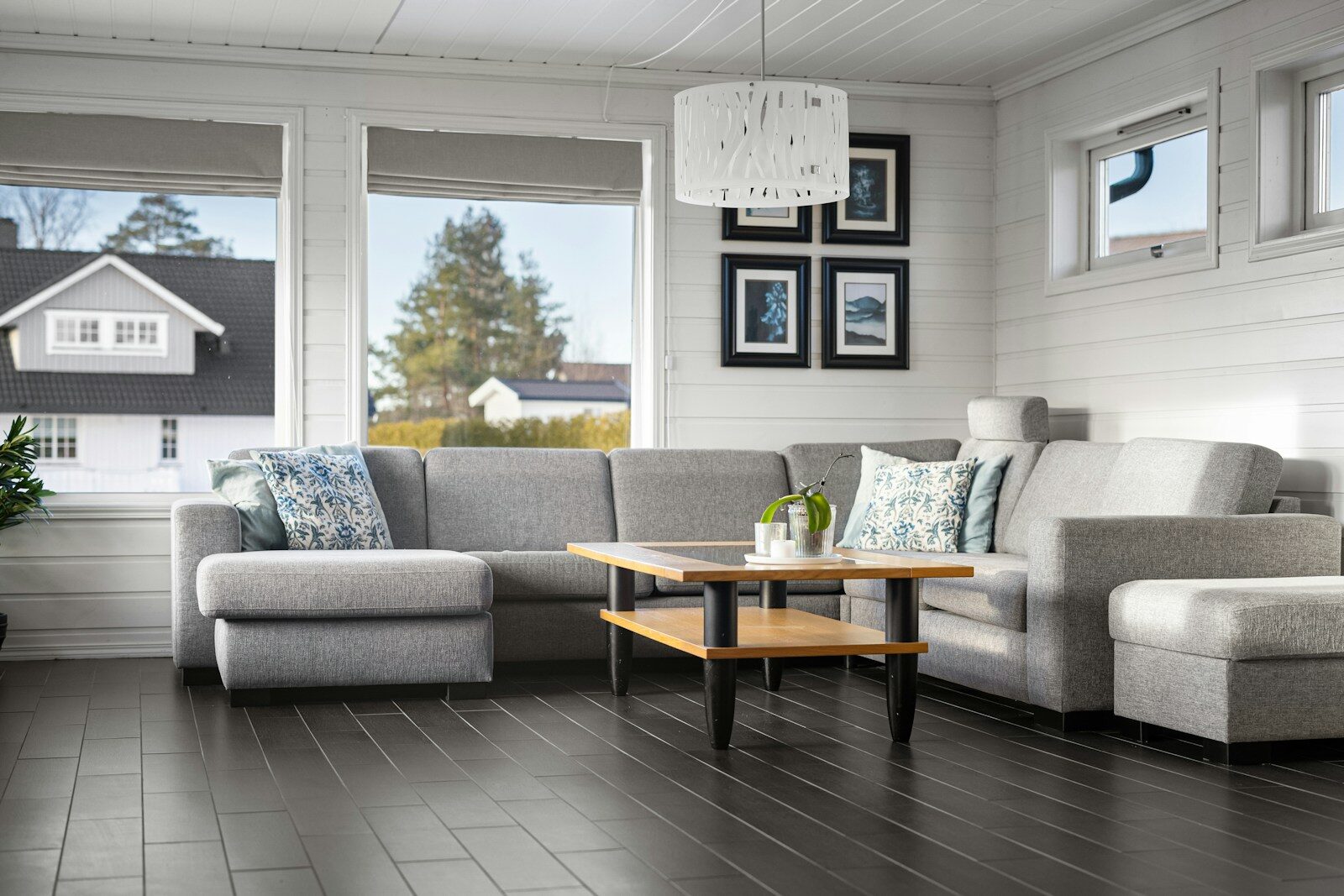
1. Living Rooms
Creates a dramatic and stylish centerpiece.
Styling Ideas
- Pair with light sofas
- Use large area rugs
- Add warm lighting
2. Kitchens
Works well with modern cabinetry.
Best Pairings
- White cabinets
- Stainless steel appliances
3. Bedrooms
Creates cozy, hotel-like luxury when balanced properly.
4. Hallways
Adds depth and direction to narrow spaces.
5. Offices
Enhances focus and professional atmosphere.
Design Pairing Guide
Wall Colors
Best Options
- White
- Off-white
- Light grey
Bold Options
- Deep green
- Navy blue
- Charcoal accent walls
Furniture Pairings
Light Furniture
- Beige sofas
- Cream chairs
Wood Combinations
- Light oak
- Natural walnut (for contrast layering)
Metal Accents
- Brass (warm contrast)
- Matte black (monochrome look)
Lighting Considerations
Natural Light
Essential to prevent dark, closed-in feel.
Artificial Light
- Warm white lighting recommended
- Layered lighting improves depth
Expert Insight: Rooms with black floors must prioritize multiple light sources, not just ceiling lights.
Types of Black Wooden Flooring
1. Stained Hardwood
- Natural wood with dark stain
2. Engineered Wood
- More stable in humidity changes
3. Laminate Flooring
- Budget-friendly alternative
4. Painted Wood Floors
- Fully opaque black finish
Finish Options
Matte Finish
- Best for modern interiors
- Hides dust better
Satin Finish
- Balanced shine and practicality
Gloss Finish
- High reflection but shows imperfections
Maintenance Tips
Daily Care
- Sweep or vacuum frequently
Weekly Cleaning
- Use damp microfiber mop
Scratch Prevention
- Use furniture pads
- Avoid dragging objects
Long-Term Care
- Refinish surface when dull
- Maintain humidity balance
Insider Tip: Microfiber cleaning tools are essential for black floors because they reduce streaking.
Common Mistakes
1. Overusing Dark Furniture
Leads to flat and heavy interior feel.
2. Ignoring Lighting Layers
Creates dull atmosphere.
3. Choosing Wrong Finish
Glossy black floors often highlight every scratch.
4. Poor Color Balance
No contrast reduces design impact.
Expert Design Tips
- Always balance with light walls
- Add texture through rugs and fabrics
- Use plants to soften dark tones
- Combine with reflective surfaces (glass, mirrors)
- Keep layouts minimal and open
Black Wooden Floors vs Light Wooden Floors
Black Floors
- Dramatic and modern
- High contrast look
Light Floors
- Airy and spacious
- Easier maintenance visually
Psychological Effect
- Adds grounding and stability
- Creates luxury perception
- Encourages focus in workspaces
Cost Considerations
- Hardwood black stains: premium pricing
- Engineered wood: mid-range option
- Laminate: budget-friendly
Sustainability Considerations
- Engineered wood reduces solid timber usage
- Eco-friendly stains available
- Long lifespan reduces waste
Is Black Wooden Flooring Right for You?
Yes, if you want a bold, modern, and high-contrast interior and are prepared for regular maintenance and lighting planning.
Conclusion
Black Wooden Floors Guide: Benefits, Drawbacks, and Care Tips highlights a powerful design choice that can transform interiors into bold, elegant, and modern spaces. While visually striking, black wooden floors require careful planning in lighting, furniture selection, and maintenance.
When balanced correctly with light colors, textures, and layered lighting, they create one of the most sophisticated flooring aesthetics in interior design.