




Introduction
Bathroom Vanity Height Guide: Comfort, Design, and Measurements explains one of the most important but often overlooked aspects of bathroom design: vanity height. The correct vanity height affects daily comfort, posture, usability, storage efficiency, and overall bathroom aesthetics.
A poorly chosen vanity height can cause back strain, awkward sink usage, and poor visual balance in the room. A well-planned height improves ergonomics, enhances design flow, and creates a more functional space for all users.
This guide covers standard bathroom vanity heights, ergonomic considerations, custom sizing, design trends, installation tips, and expert recommendations to help you choose the right setup for your home.
What Is Bathroom Vanity Height?
Bathroom vanity height refers to the distance from the floor to the top surface of the vanity countertop. It determines how high the sink and counter sit in relation to the user.
Standard Measurement
- Traditional vanity height: 30–32 inches (76–81 cm)
- Comfort (counter height): 34–36 inches (86–91 cm)
- Vessel sink vanity: varies (typically lower base with raised sink)
Expert Insight: Modern homes increasingly prefer taller vanities because they better match natural standing posture and reduce bending.
Why Vanity Height Matters
1. Ergonomic Comfort
Proper height reduces back and shoulder strain during daily use.
2. Functional Efficiency
Improves usability for washing, grooming, and storage access.
3. Visual Balance
Helps maintain proportion with mirrors, lighting, and bathroom size.
4. Accessibility
Important for children, elderly users, or mobility needs.
Standard Bathroom Vanity Height Options
1. Traditional Height (30–32 inches)
Best For
- Older bathroom designs
- Homes with children
Pros
- Easier for shorter users
- Works with standard plumbing setups
Cons
- Can feel too low for adults
2. Comfort Height (34–36 inches)
Best For
- Modern bathrooms
- Adult-focused homes
Pros
- Better ergonomics
- Reduces bending strain
Cons
- Slightly less accessible for children
3. Custom Height Vanities
Best For
- Luxury bathrooms
- Tailored family needs
Pros
- Fully personalized comfort
Cons
- Requires custom installation planning
Vessel Sink Vanity Height Considerations
Vessel sinks sit on top of the counter, which affects total height.
Recommended Base Height
- 30–32 inches base cabinet
- Plus 5–7 inch sink height
Resulting Total Height
- Around 36–40 inches
Insider Tip: Always test vessel sink height before installation to avoid uncomfortable reach.
How to Choose the Right Vanity Height
User Height
- Short users: 30–32 inches
- Average adults: 34–36 inches
Bathroom Usage
- Family bathrooms: balanced standard height
- Master bathrooms: comfort height
Sink Type
- Undermount sinks: standard or comfort height
- Vessel sinks: lower base required
Storage Needs
Higher vanities may provide better drawer ergonomics.
Bathroom Vanity Height for Double Sinks
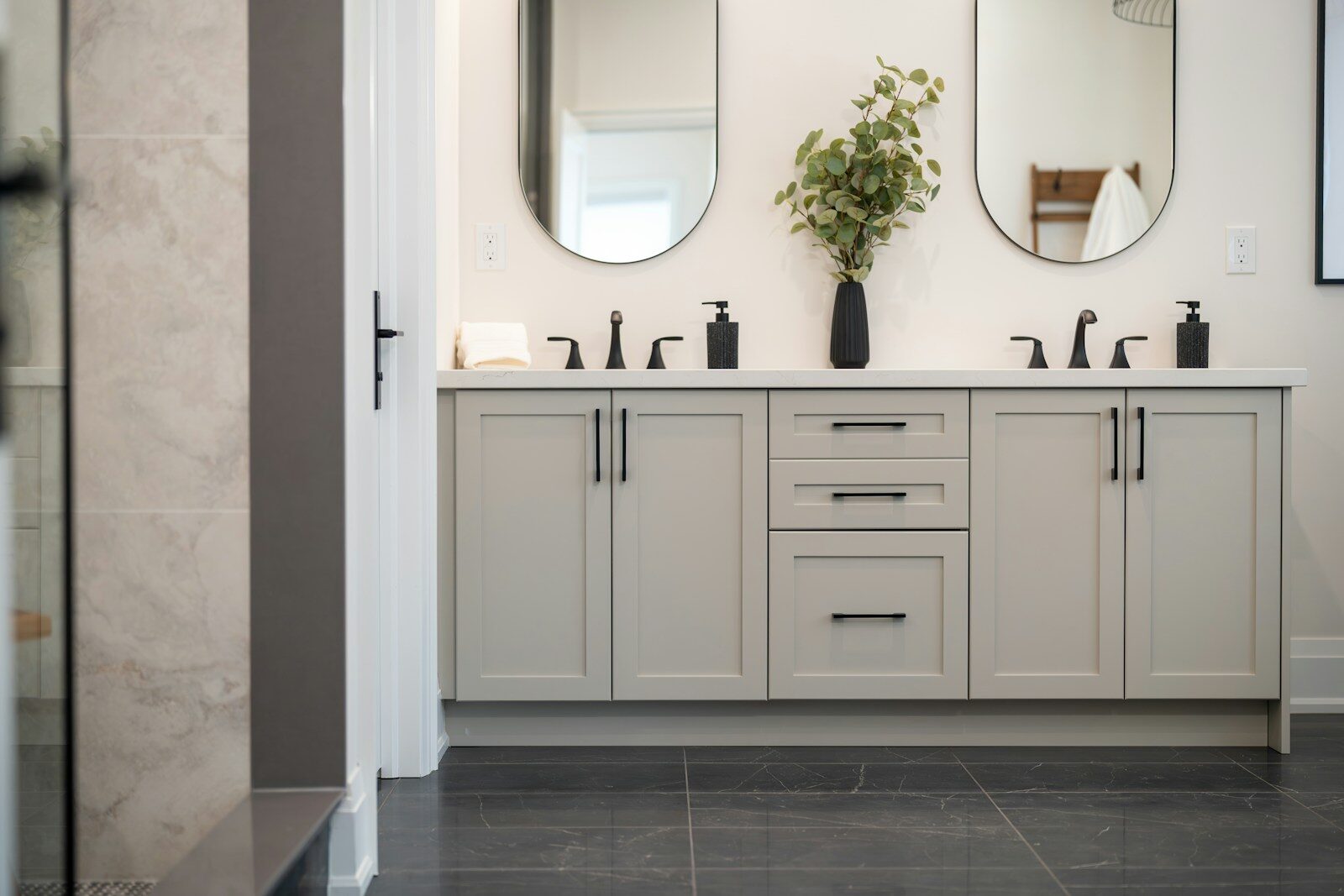
Double vanities follow similar height rules but require extra planning.
Key Factors
- Maintain consistent height across both sinks
- Ensure enough counter space between users
- Consider mirror alignment
Vanity Height and Mirror Placement
Correct mirror height improves usability and design balance.
General Rule
- Mirror bottom should sit 4–10 inches above faucet
Lighting Consideration
- Lighting fixtures should align with upper third of mirror
Expert Insight: Misaligned mirrors often make even a well-designed vanity feel awkward.
Materials and Vanity Design Impact
Floating Vanities
- Can be mounted at custom height
- Creates modern aesthetic
Freestanding Vanities
- Limited height flexibility
- Traditional look
Countertop Thickness
- Thick stone tops increase total height
Modern Trends in Vanity Height
1. Comfort Height Standardization
Most new homes use 34–36 inches.
2. Floating Vanities
Create adjustable visual height.
3. Minimalist Bathroom Design
Focus on proportional balance rather than strict rules.
Common Mistakes in Vanity Height Selection
Choosing Based Only on Style
Can lead to discomfort.
Ignoring Sink Depth
Deep sinks change usable height.
Not Considering Users
Families often need balanced solutions.
Poor Mirror Alignment
Reduces functionality and visual appeal.
Expert Installation Tips
- Measure user elbow height before final decision
- Test sink and faucet reach in real conditions
- Consider future accessibility needs
- Align plumbing before fixing vanity height
- Always check countertop thickness impact
Accessibility and ADA Considerations
For accessible bathrooms:
- Vanity height: approx. 32 inches or lower
- Open knee space required
- Easy faucet reach design
Best Vanity Height by Bathroom Type
Powder Room
- 34–36 inches for modern look
Family Bathroom
- 32–34 inches balanced use
Master Bathroom
- 34–36 inches comfort priority
Styling Tips for Better Visual Balance
- Match vanity height with countertop thickness
- Align with tile lines where possible
- Keep proportions consistent with room size
Lighting Tips for Vanity Areas
- Install lighting at eye level
- Avoid harsh overhead shadows
- Use warm white light for natural appearance
Storage Considerations
Higher vanities often allow:
- Deeper drawers
- Better organization
- Less cluttered countertops
Is Higher Vanity Always Better?
Not always. The best height depends on user needs, sink type, and bathroom layout. Balance comfort and accessibility for best results.
Conclusion
Bathroom Vanity Height Guide: Comfort, Design, and Measurements highlights how an often overlooked measurement can significantly impact comfort and design quality. Choosing the right vanity height improves ergonomics, enhances bathroom aesthetics, and increases long-term usability.
Whether you choose standard, comfort, or custom height, proper planning ensures a functional and visually balanced bathroom space.