



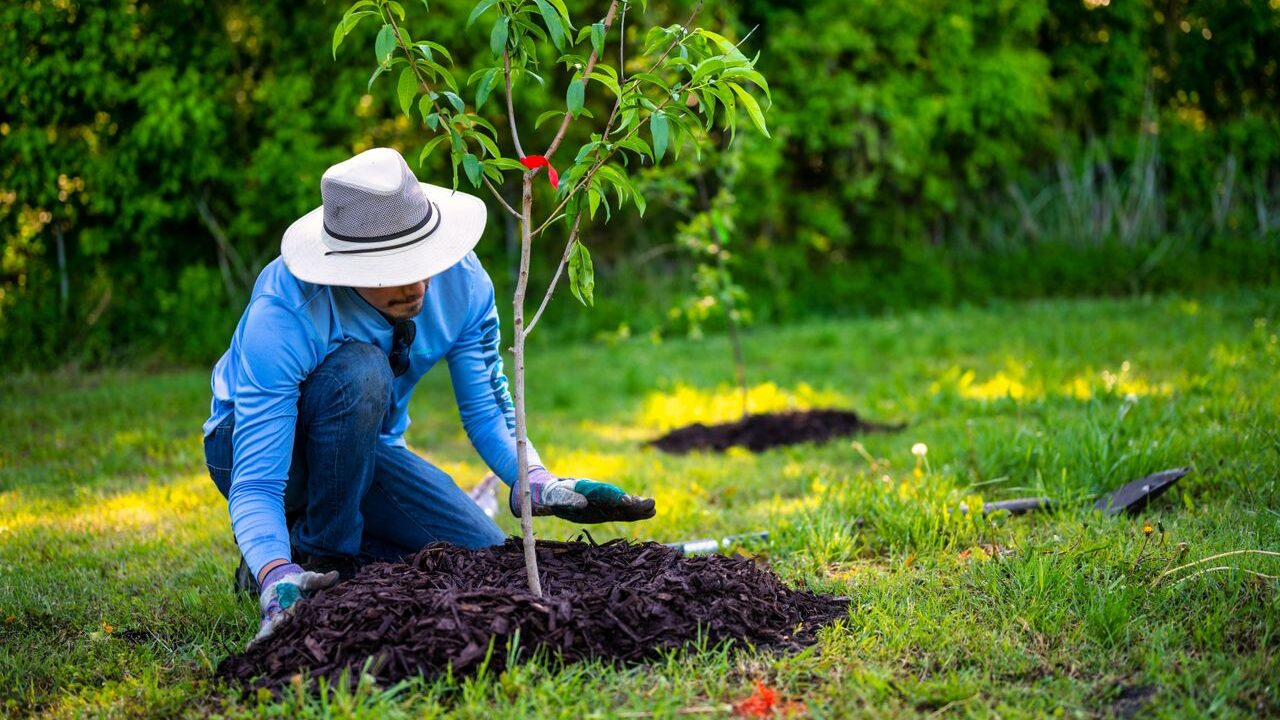

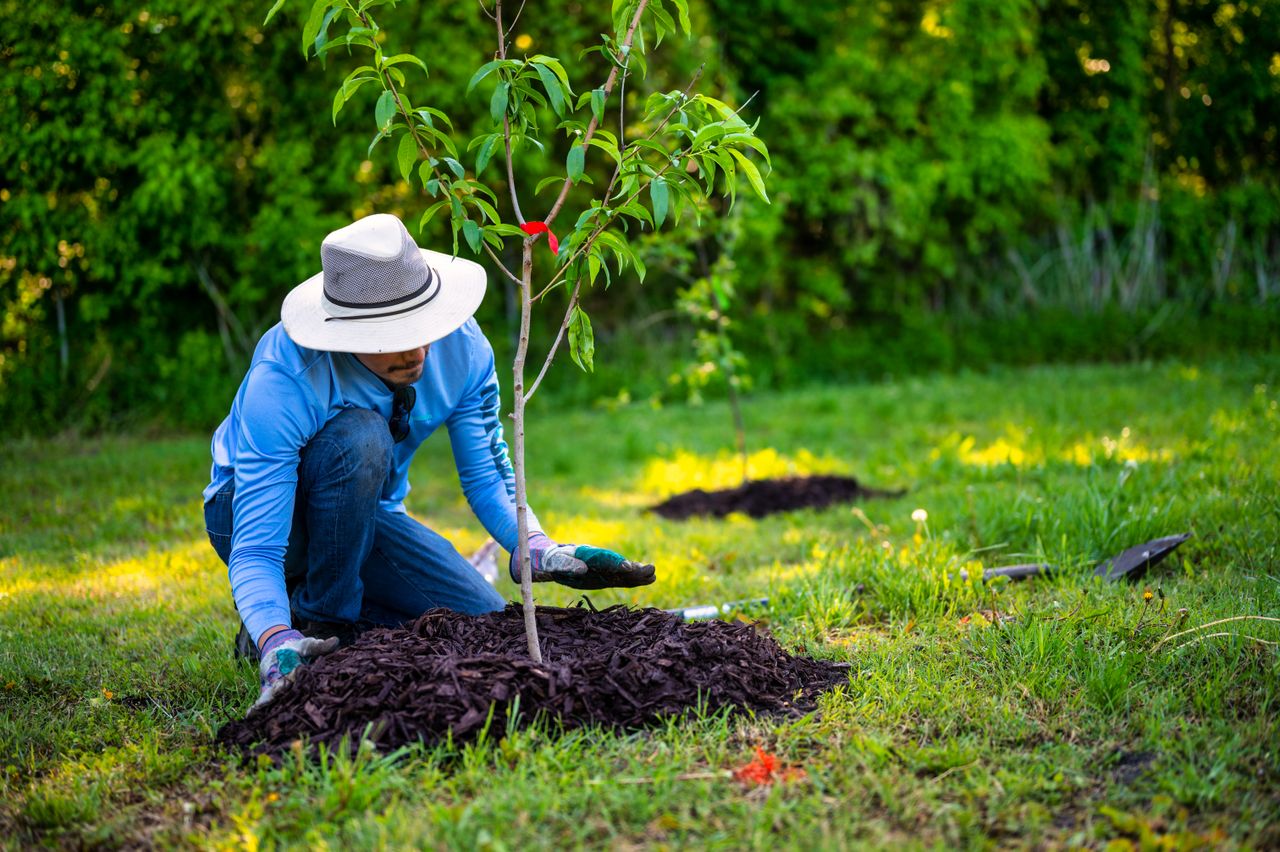
I redid a client’s front bed with black mulch a few years ago because she wanted her white hostas and chartreuse heuchera to “pop” the way they do in magazine photos. They did for about four months. By August, the mulch had gone from deep charcoal to a dusty gray, two of the hostas had crispy edges from a heat wave, and she was calling me asking if the mulch was somehow the problem. It partly was, and that conversation is basically the seed of this guide.
Black mulch gets marketed as a simple upgrade same job as regular mulch, just a more dramatic color. That’s not quite true. It behaves differently in the sun, it comes in three genuinely different product categories that get lumped under one name, and the safety question everyone asks (“is the dye toxic?”) is usually the wrong question entirely. Here’s what actually matters before you commit to it.
Table of Contents
- What Is Black Mulch, Really?
- Why Gardeners Choose Black Mulch
- Types of Black Mulch Compared
- What Black Mulch Actually Does to Soil Temperature
- Is the Black Dye Actually Safe?
- The Rubber Mulch Debate
- Where Black Mulch Works Best (and Where It Doesn’t)
- Application Guide: Depth, Coverage, and Steps
- Delivery and Application Method Comparison
- Maintenance and Color Refresh
- Common Mistakes with Black Mulch
- Where Black Mulch Is Headed
- FAQs
- Final Thoughts
- About the Author
What Is Black Mulch, Really?
“Black mulch” is actually shorthand for three different products, and mixing them up is where most of the confusion (and complaints) come from.
Dyed organic mulch is by far the most common — shredded hardwood, bark, or wood chips colored black with a pigment during processing. This is what most homeowners mean when they say “black mulch,” and it’s what garden centers stock in bags and bulk piles.
Black plastic sheet mulch is a completely different material used mostly in vegetable and row-crop growing, not ornamental beds. It’s a continuous plastic film laid over soil with holes cut for plants, and its heat behavior is far more extreme than dyed wood mulch.
Black rubber mulch is made from shredded recycled tires, dyed or naturally dark, and behaves nothing like either of the above — it doesn’t decompose, doesn’t feed the soil, and comes with its own separate set of tradeoffs I’ll get into later.
Almost every generic “black mulch” article on the internet blends these three together, which is part of why the advice out there is so inconsistent. They’re not interchangeable, and the right choice depends heavily on which one you’re actually looking at.
Why Gardeners Choose Black Mulch
The honest answer is mostly aesthetic, and there’s nothing wrong with that. Black mulch creates the strongest color contrast against green foliage and bright flowers of any common mulch color, which is why it shows up so often in modern, formal, and high-contrast landscape designs. It photographs well, and it makes newly planted beds look finished and intentional almost immediately.
Beyond looks, it does the standard mulch jobs — suppressing weed germination by blocking light, slowing moisture evaporation from the soil surface, and moderating temperature swings. And because of its color, it has one functional advantage light-colored mulches don’t: it warms soil faster in early spring, which can give cool-climate gardeners a small head start on the growing season.
Types of Black Mulch Compared
| Type | Made From | Decomposes? | Feeds Soil? | Typical Lifespan | Best For |
|---|---|---|---|---|---|
| Dyed hardwood/bark mulch | Shredded hardwood, bark, or wood chips + pigment | Yes, slowly | Yes, eventually, but slower than undyed mulch | 1–2 years before replacement needed | Ornamental beds, foundation plantings, general landscaping |
| Black plastic sheet mulch | Polyethylene film | No | No | Single growing season, typically | Vegetable rows, commercial crop production |
| Black rubber mulch | Recycled shredded tires | Essentially no (breaks down over many years) | No | 5–10 years per most manufacturer claims | Playgrounds, pathways, non-edible landscape borders |
| Black lava rock/stone | Volcanic rock | No | No | Effectively permanent | Xeriscaping, desert-style beds, areas needing zero replenishment |
Dyed hardwood mulch is the right default for most home garden beds. Rubber mulch and lava rock are worth considering specifically for high-traffic or low-maintenance zones where you don’t want to touch the material again for years. Black plastic is really a vegetable-garden production tool, not a landscaping material, and I wouldn’t recommend it for ornamental beds at all.
What Black Mulch Actually Does to Soil Temperature
This is the single most misunderstood part of black mulch, and the effect size varies enormously depending on which type you’re using.
Dyed organic wood mulch raises soil temperature measurably but moderately — research has shown soil under it running roughly 1.7 to 5°C (about 3 to 9°F) warmer than bare soil, and surface temperatures on the mulch itself can climb into the 140 to 160°F range during peak summer sun. That’s genuinely hot to the touch, but a 3 to 4 inch layer insulates the soil underneath reasonably well, and the effect on established, deep-rooted plants is usually mild.
Black plastic sheet mulch is a different story entirely. Surface temperatures regularly exceed 130 to 140°F, and agricultural research has documented direct heat injury to transplants, reduced germination in direct-seeded crops, and stem damage in heat-sensitive vegetables like peppers when plant tissue contacts the hot plastic.
My honest verdict: in cooler climates or for an early-spring boost, black mulch’s heat retention is a genuine benefit. In hot summer regions — the Deep South, the desert Southwest, most of Texas — it’s a real liability for shallow-rooted plants, new transplants, and anything already living at the edge of its heat tolerance. Keep mulch a few inches back from stems and trunks regardless of climate, since direct contact with hot mulch is where scorch damage actually happens.
Is the Black Dye Actually Safe?
This is the question I get asked most, and it’s usually aimed at the wrong culprit. The pigments themselves — almost always carbon black or iron oxide — are chemically inert and considered non-toxic to plants, soil life, and people once bound to the wood.Quality manufacturers formulate these to bond to the wood fibers rather than wash off or leach into soil.
The real risk sits somewhere else entirely: CCA-treated wood ground into mulch introduces arsenic and heavy metals directly into garden soil, which is a legitimate concern not an internet myth.
The practical fix: look for the Mulch & Soil Council (MSC) certification logo on the bag or ask a bulk supplier whether their product is certified.It’s not an absolute guarantee against every possible contaminant, but it’s a meaningfully higher bar than an unlabeled bulk pile at a discount supplier, and it’s the single easiest thing you can check before buying.
The Rubber Mulch Debate
The case for it: rubber mulch is remarkably durable, with manufacturers commonly claiming 5 to 10 year lifespans, it won’t blow away or wash out in heavy rain the way lightweight organic mulch can, and it provides real cushioning value on playgrounds, which is where a large share of the industry’s safety research has focused. A joint EPA and CDC review found no significant elevated cancer risk associated with recycled tire crumb rubber exposure.
The case against it: independent research, including work from Washington State University extension horticulturist Linda Chalker-Scott, has found that rubber mulch leachate carries elevated zinc levels toxic to aquatic organisms and can affect plant growth in the surrounding soil. It doesn’t feed the soil the way organic mulch does as it breaks down, it doesn’t support pollinators or soil organisms, it can develop an odor in high heat, and because it’s inorganic, most horticulturists advise against it around anything you intend to eat.
My honest take: for ornamental, non-edible landscaping where you genuinely want a install-it-and-forget-it material — a play area, a dog run, a low-maintenance side yard — rubber mulch’s durability is a legitimate advantage. For vegetable gardens, foundation beds near edible plantings, or anywhere you care about long-term soil health, I’d steer toward dyed organic mulch or lava rock instead.
Where Black Mulch Works Best (and Where It Doesn’t)
It works well in modern and formal garden designs where high contrast is the whole point, in foundation beds against light-colored siding or stone where the dark color reads as an intentional design line rather than an accident, and in cooler-climate gardens where the extra soil warmth genuinely helps plants get going earlier in spring.
It works less well directly against dark-colored siding or in full-sun beds in hot climates, where the combined heat load can push soil temperatures uncomfortably high for anything but the toughest, most heat-tolerant plantings. It’s also a weaker choice for vegetable and edible gardens generally, both because of the heat sensitivity of many food crops and because you want more certainty about what’s actually in the mulch you’re using near something you’ll eat.
One design note worth mentioning: black mulch shows dust, pollen, and fallen leaf debris more visibly than lighter mulch colors simply because of the contrast. It’s a small thing, but it does mean black mulch beds tend to look “messy” faster between cleanups than brown or natural mulch beds do.
Application Guide: Depth, Coverage, and Steps
How much do you need? One cubic yard of mulch covers roughly:
- 162 square feet at a 2-inch depth
- 108 square feet at a 3-inch depth
- 81 square feet at a 4-inch depth
Measure your bed’s square footage first, then work backward from the depth you want — 2 to 3 inches is the standard recommendation for most ornamental beds; going much deeper doesn’t add meaningful weed suppression and can actually suffocate roots and trap excess moisture against stems.
Application steps:
- Water the soil if it’s dry, since mulching over bone-dry soil traps that dryness underneath.
- Spread mulch evenly at 2 to 3 inches, using a rake to level it rather than dumping and leaving mounds.
- Keep mulch pulled back 2 to 3 inches from plant stems, tree trunks, and any wood siding or trim — direct contact traps moisture and invites rot and pests regardless of mulch color.
- Water lightly after spreading to help settle the material and reduce dye transfer onto walkways in the first day or two.
Delivery and Application Method Comparison
| Method | Best For | Effort Level | Honest Verdict |
|---|---|---|---|
| Bagged mulch (2–3 cu ft bags) | Small beds, spot touch-ups | Low physical effort per bag, more trips for large areas | Convenient but the most expensive per cubic yard by a wide margin |
| Bulk delivery, self-spread | Medium to large beds | High — wheelbarrow and shovel work | Best value for the material itself, but budget real time and a strong back |
| Bulk delivery with pro installation | Large properties, formal beds | Low effort for the homeowner | Costs more in labor but guarantees even depth and a clean edge line |
| Mulch blower truck service | Very large properties, hard-to-access beds | Lowest physical effort | Fast and even coverage, but pricier and not worth it for a single small bed |
Bagged mulch makes sense mainly for small accent beds or filling in gaps between larger projects.
Maintenance and Color Refresh
Here’s the part the marketing tends to gloss over: dyed black mulch typically holds its color for about 9 to 12 months under normal sun and rain exposure before visibly fading toward gray, especially on the sun-facing side of a bed. That’s genuinely longer than undyed natural mulch, which can gray out within one to two months, but it’s not the “keeps its color for years” promise some bags imply.
When it’s time to refresh, you have two real options. Adding a thin, roughly half-inch to one-inch top layer of fresh dyed mulch over the existing bed is usually enough to restore the look without hauling away the old material, as long as the old layer isn’t soggy or decomposing underneath. Spray-on mulch dye is the other option, and I’ll be direct about it based on side-by-side comparisons I’ve seen and run myself: sprayed dye consistently fades faster and patchier than factory-dyed mulch, since it only coats the top-facing surface of each piece rather than penetrating it. It’s a reasonable budget stretch for one extra season, but don’t expect it to match the look or longevity of fresh product.
Common Mistakes with Black Mulch
The most common mistake by far is “volcano mulching” — piling mulch up against a tree trunk in a cone shape. It traps moisture against the bark, invites rot and pests, and it’s just as damaging in black mulch as any other color; the dark color doesn’t change the mechanism.
The second is assuming black mulch is inherently riskier than other colors because of the dye, when the actual risk factor is almost always the unknown wood source behind cheap, uncertified bulk mulch — a red or brown pile from the same questionable source carries the identical contamination risk.
The third is treating dyed mulch’s slower breakdown as purely a convenience win. It does mean less frequent replacement, but it also means it delivers less organic matter and nutrients back into the soil over time compared to plain, undyed mulch worth knowing if soil-building is one of your actual gardening goals, not just curb appeal.
Where Black Mulch Is Headed
Plant-based and lower-impact colorants are gaining ground. As scrutiny of recycled wood sourcing increases, more manufacturers are marketing vegetable-based or more clearly disclosed iron-oxide formulations, partly in response to consumer questions this guide covers.
Certification is becoming a bigger selling point, not just a compliance checkbox. Expect to see MSC certification and clearer wood-sourcing disclosure marketed more prominently on bags as awareness of the CCA-contamination issue spreads beyond niche gardening forums.
Rubber mulch’s reputation is likely to stay genuinely split rather than resolve. The safety research keeps producing results that different camps interpret differently, and I don’t see that settling cleanly any time soon — expect continued strong opinions on both sides rather than consensus.
Xeriscaping trends are pulling some gardeners toward inorganic alternatives entirely, like black lava rock, especially in drought-prone regions where reducing mulch replacement frequency and water use both matter more than the “organic mulch feeds the soil” argument.
FAQs
Is black mulch bad for plants? Not inherently. The main risk is heat buildup in hot summer climates for shallow-rooted or heat-sensitive plants, and contamination risk tied to unknown recycled wood sources rather than the dye itself.
How long does black mulch keep its color? Typically 9 to 12 months under normal weather exposure before visibly fading toward gray, longer in shaded areas and shorter in intense, direct summer sun.
Is the black dye in mulch toxic? The pigments themselves — usually carbon black or iron oxide — are generally considered inert and non-toxic. The real safety concern is the wood source, particularly recycled wood that may contain old CCA-treated lumber.
Does black mulch attract more heat than other colors? Yes, measurably. Soil under dyed organic black mulch typically runs a few degrees warmer than under lighter mulch, and surface temperatures can reach 140 to 160°F in peak summer sun.
Is rubber mulch the same as black mulch? No. Rubber mulch is made from recycled tires and doesn’t decompose or feed the soil the way dyed organic mulch does. It’s a genuinely different product with its own separate pros, cons, and ongoing safety debate.
How much black mulch do I need for my garden bed? One cubic yard covers roughly 162 square feet at 2 inches deep, 108 square feet at 3 inches, or 81 square feet at 4 inches — measure your bed’s square footage and work backward from your target depth.
Can I use black mulch in a vegetable garden? It’s generally not the top recommendation for edible gardens, both due to heat sensitivity in many vegetable crops and the added value of knowing exactly what’s in mulch used near food. Undyed, certified natural mulch is usually the safer default there.
Final Thoughts
Black mulch isn’t a trap, and it isn’t the villain some natural-landscaping purists make it out to be but it’s also not the neutral, purely cosmetic upgrade the bag makes it look like. Get those three things right, and black mulch does exactly what people want it to do — it just does it with a shorter honeymoon period than the marketing suggests.
About the Author
Margaret Ellery is a horticultural researcher and landscape design consultant specializing in long-term plant performance in built and residential environments. Her work covers the practical realities behind common landscaping materials — mulch, hardscape, and bed design choices with a particular focus on separating genuine plant-health and safety concerns from marketing claims and internet myths. She consults on residential landscape projects across multiple climate zones and has a research interest in mulch and soil amendment sourcing standards.