

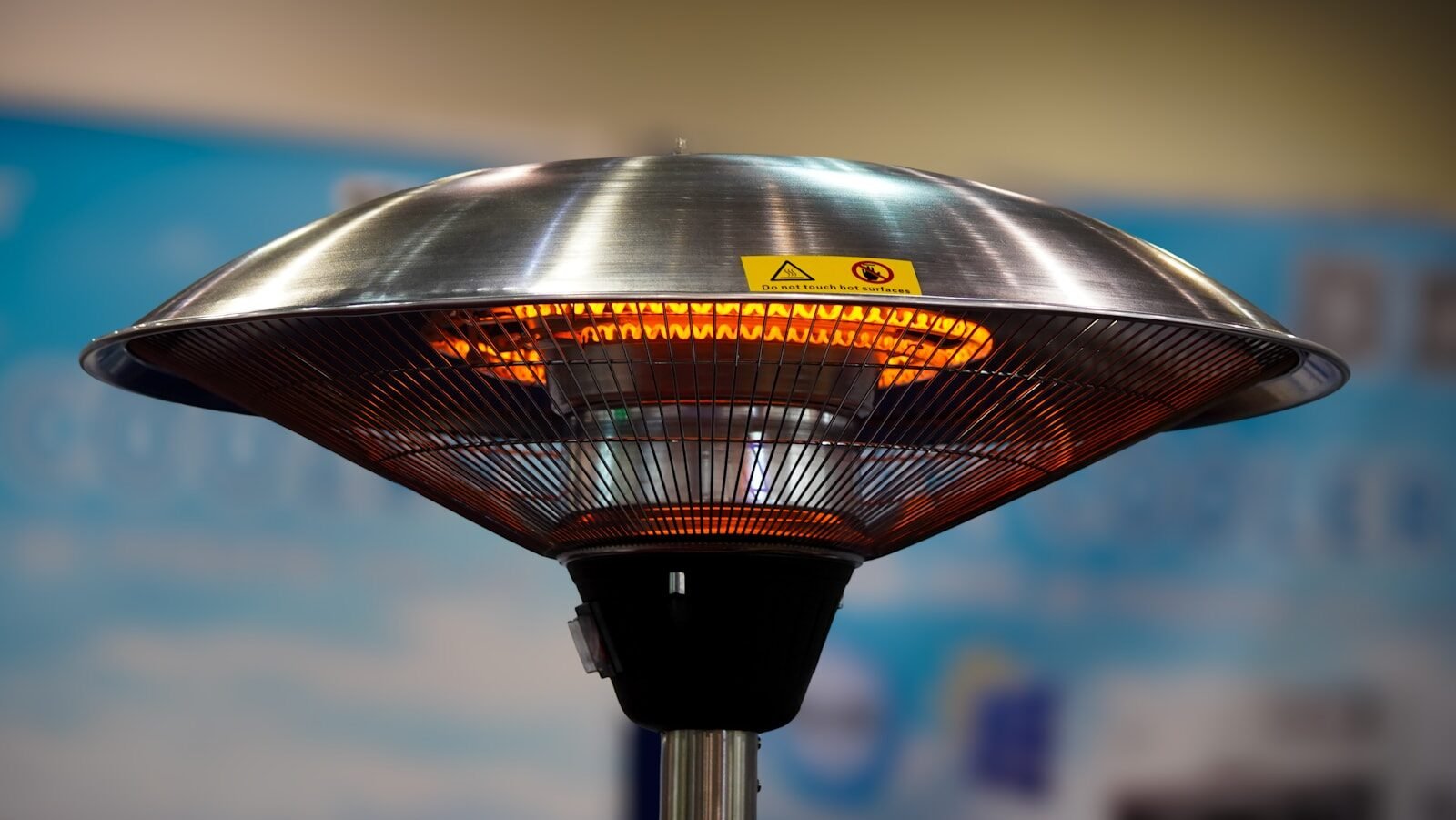
I’ve rented outside heaters for everything from intimate backyard dinners to large wedding receptions and corporate winter events. Some experiences went smoothly—warm guests, no drama, easy return. Others taught me hard lessons about undersized units, empty propane tanks at the worst moment, and heaters placed too close to fabric draping. Outdoor heating can transform a chilly evening into a comfortable gathering, but only when you choose the right equipment and plan carefully. This guide shares the practical knowledge I’ve gained so you can rent with confidence and avoid the common pitfalls.
Table of Contents
- Why Rent Outside Heaters Instead of Buying
- Main Types of Outside Heaters Available for Rent
- Propane vs. Electric vs. Natural Gas: Key Differences
- How to Calculate How Much Heat You Actually Need
- Safety Rules and Placement Guidelines
- What to Check Before Accepting the Rental
- Cost Factors and Typical Rental Pricing
- Delivery, Setup, and Pickup Considerations
- Fuel, Runtime, and Refueling Logistics
- Common Mistakes People Make When Renting
- Special Considerations for Events and Commercial Use
- Maintenance During the Rental Period
- Emerging Options and Trends
- Frequently Asked Questions
- Final Thoughts
Why Rent Outside Heaters Instead of Buying
Buying makes sense if you use heaters regularly throughout the season. For one-time events, occasional patio use, or seasonal spikes, renting is usually smarter. You avoid storage issues, maintenance costs, and the risk of owning equipment that sits unused most of the year. Rental companies also handle delivery, setup assistance in many cases, and provide units that are inspected and ready to perform. When the event ends, the heaters simply go back.
Renting also lets you match the heater type and quantity precisely to the occasion rather than settling for whatever you happen to own.
Main Types of Outside Heaters Available for Rent
Freestanding pyramid or tower heaters
These tall, visible units are popular for patios and event spaces. Many use propane and feature a visible flame inside a glass tube. They look attractive and provide a good circle of warmth, typically covering 100–200 square feet depending on the model and conditions.
Mushroom or dome-top patio heaters
The classic design with a wide reflector at the top. Propane versions are common and relatively portable. They direct heat downward and outward in a circular pattern.
Tabletop heaters
Smaller units that sit on tables. Useful for adding localized warmth without taking up floor space. Best as a supplement rather than the primary heat source.
Electric infrared heaters
These can be freestanding, wall-mounted, or hanging. They heat objects and people directly rather than the air, which makes them effective even in light breezes. No combustion means no fumes and quieter operation. They require access to suitable electrical power.
Directional or wall-mounted heaters
Ideal when floor space is limited or when you want to heat a specific zone, such as along a building wall or under a covered patio.
High-output industrial or forced-air heaters
Sometimes available for larger temporary structures or construction-related outdoor needs. These are less common for social events but useful in specific situations.
Propane vs. Electric vs. Natural Gas: Key Differences
Propane
The most flexible option for rentals because it doesn’t require a permanent gas line or electrical circuit. Tanks are portable (though heavy when full). Propane heaters produce significant heat quickly and work well in open areas. Drawbacks include the need to monitor fuel levels, the weight of tanks, and combustion byproducts that require good ventilation even outdoors. Never use propane heaters in fully enclosed spaces.
Electric
Clean, quiet, and simple if you have adequate power. Infrared models are especially effective because they heat people and surfaces directly. Limitations include the need for sufficient electrical capacity and outdoor-rated extension cords or outlets. Long cord runs can reduce performance and create trip hazards.
Natural gas
Less common in pure rental scenarios unless the venue already has gas lines. When available, it offers continuous fuel without tank changes. Installation usually requires a professional connection.
For most event rentals I recommend propane freestanding units for flexibility, with electric infrared as a strong alternative when power is reliable and the space is semi-covered.
How to Calculate How Much Heat You Actually Need
Manufacturer coverage claims (for example, “heats 200 sq ft”) assume ideal conditions—no wind, moderate outdoor temperatures, and reflective surroundings. Real-world performance is usually lower.
Consider:
- The size of the area and how open it is to wind
- Expected temperature (heating from 45°F to comfortable feels different than heating from 30°F)
- Whether the space is covered or fully open
- Number of guests and how densely they will gather
- Presence of windbreaks, walls, or tents
A practical approach is to plan for overlapping coverage zones rather than relying on a single heater’s maximum rating. For seated dining, closer spacing of heaters works better than sparse placement of high-output units. When in doubt, rent one or two extras—running short on heat is far more noticeable than having a spare unit.
Safety Rules and Placement Guidelines
Safety is non-negotiable. Follow these principles every time:
- Place heaters on firm, level surfaces only.
- Maintain clearances from combustible materials (awnings, umbrellas, curtains, furniture, decorations). Check the specific unit’s requirements—often 2–3 feet or more on the sides and above.
- Keep a safe distance from high-traffic walkways to prevent tipping or contact burns.
- Never leave operating heaters unattended.
- Ensure propane connections are tight and leak-free (use soapy water to check).
- Provide adequate ventilation even outdoors; do not use combustion heaters in fully enclosed tents without proper engineering.
- Have a fire extinguisher rated for the appropriate fire types nearby.
- Secure units against wind if necessary using manufacturer-approved methods or weights.
- Keep children and pets at a safe distance.
Reputable rental companies should supply units that meet current safety standards and provide basic operating instructions. Ask for them.
What to Check Before Accepting the Rental
Inspect every unit on delivery or pickup:
- Overall condition and cleanliness
- Visible damage to the body, reflector, or base
- Condition of the hose, regulator, and connections on propane models
- Presence of required safety features (tip-over switch, oxygen depletion sensor where applicable)
- Fuel level if tanks are included
- Stability of the base
Test-fire the heater if the company allows it before the delivery driver leaves. Confirm you understand how to light, adjust, and shut it down safely. Get the company’s after-hours contact number in case of problems.
Cost Factors and Typical Rental Pricing
Rental rates vary by location, season, duration, and heater type. Expect daily rates for standard propane patio heaters to range from moderate to higher during peak fall and winter weekends. Multi-day or weekly rates usually offer better value. Delivery and pickup fees can add significantly, especially for short-distance or after-hours service. Some companies include a full propane tank; others charge separately for fuel.
Additional costs may include:
- Damage waiver or security deposit
- Extra tanks
- Setup labor
- Weekend or holiday premiums
Ask for a clear written quote that itemizes everything. Compare a few local companies rather than choosing solely on the lowest daily rate.
Delivery, Setup, and Pickup Considerations
Confirm delivery window and whether the company will place the heaters in approximate positions or simply drop them. For events, having them positioned and tested before guests arrive is ideal. Measure access routes—some larger pyramid heaters are tall and may not fit through certain gates or doors.
Plan for pickup timing. Heaters need to cool completely before they can be moved or loaded. Coordinate so the rental company can collect them without disrupting the end of your event.
Fuel, Runtime, and Refueling Logistics
A standard 20-pound propane tank typically lasts 8–10 hours on high with many patio heaters, though actual runtime varies with temperature setting and conditions. For longer events, arrange spare tanks in advance. Store extras upright in a well-ventilated area away from the heaters and ignition sources.
Electric heaters eliminate fuel worries but require careful electrical planning. Calculate total amperage and avoid overloading circuits.
Common Mistakes People Make When Renting
- Underestimating the number of heaters needed once wind and real temperatures are factored in
- Placing units too close to umbrellas, fabric, or low ceilings
- Failing to check fuel levels before the event starts
- Ignoring tip-over risk on uneven ground or in breezy conditions
- Assuming the rental company will handle all setup and monitoring
- Forgetting about electrical capacity for electric models
- Waiting until the last minute to book during peak season
Special Considerations for Events and Commercial Use
Weddings, corporate functions, and restaurant patio overflows often require more formal planning. Some venues have strict rules about open-flame or propane appliances. Always check with the venue and, if necessary, the local fire department. Commercial rentals may need units with specific certifications or higher output. Liability insurance considerations also come into play for larger public events—ask the rental company about their coverage and whether you need additional event insurance.
Maintenance During the Rental Period
Your main responsibilities are safe operation and basic care:
- Keep the area around the heater clear
- Monitor fuel and performance
- Shut units down in high winds or heavy rain if recommended by the manufacturer
- Report any malfunction immediately rather than attempting major repairs yourself
Do not attempt to modify the heater or use non-approved fuel.
Emerging Options and Trends
Electric infrared technology continues to improve in efficiency and coverage. Some rental fleets now include more sophisticated directional heaters and units with better wind resistance. App-controlled or smart features remain limited in rental inventories but are appearing in higher-end options. There is also growing interest in cleaner-burning and lower-emission propane systems.
Frequently Asked Questions
How far in advance should I book?
For peak fall and winter weekends, two to four weeks is wise. Last-minute rentals are possible but selection may be limited.
Can I use outdoor heaters under a tent?
Only with proper clearances, ventilation, and often fire-department approval. Many open-flame heaters are restricted in enclosed or semi-enclosed tents.
How long do propane tanks last?
Typically 8–10 hours on high for a 20-lb tank with standard patio heaters, but test and plan for less in cold or windy conditions.
Are electric heaters powerful enough outdoors?
Quality infrared models perform well, especially in covered or wind-protected areas. They are less effective than propane in fully open, windy spaces.
What happens if a heater stops working during my event?
Contact the rental company immediately. Many offer emergency support or replacement units within a reasonable service area.
Do I need to provide my own propane?
It depends on the company. Some include full tanks; others require you to supply or purchase fuel separately. Clarify this upfront.
Final Thoughts
Renting outside heaters is straightforward when you treat it as a planning exercise rather than an afterthought. Match the heater type to your space and power or fuel situation, calculate coverage realistically, prioritize safety clearances, and inspect everything on arrival. The goal is simple: guests who stay comfortable and an event that runs without heating-related interruptions.
I’ve seen well-planned heater setups quietly make an outdoor gathering successful, and I’ve watched poor planning force people indoors early. A little preparation on the front end makes all the difference. Choose reliable equipment, place it thoughtfully, and monitor it during use—you’ll end up with a warmer, more enjoyable outdoor experience.
Author Bio
Rachel Donovan is an event operations consultant and outdoor equipment specialist with more than a decade of experience coordinating climate control for private and commercial outdoor gatherings. She has managed heater rentals for weddings, corporate functions, and hospitality venues across varied climates, with a focus on practical selection, safety compliance, and seamless logistics. Her guidance emphasizes real-world performance over brochure claims.