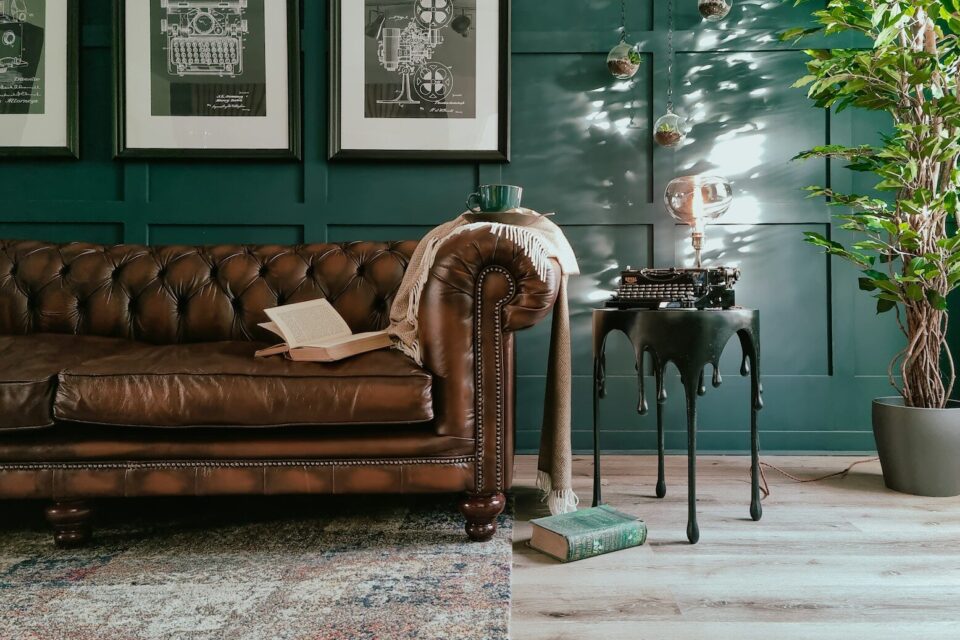
I’ve spent the better part of a decade helping people furnish living rooms first as someone who couldn’t stop rearranging my own apartment, then professionally, working alongside upholsterers and interior designers who kept steering clients toward one silhouette again and again: the roll arm sofa. There’s a reason for that, and it’s not just aesthetics. It’s proportion, comfort, and a kind of timelessness that square-arm sofas simply can’t replicate.
This guide pulls together everything I’ve learned from sitting on (literally) dozens of roll arm sofas in showrooms, comparing frame constructions, and fielding the same questions from friends and clients over and over. If you’re trying to decide whether a roll arm sofa fits your space and which variation actually suits your life — this should save you weeks of scrolling through furniture sites.
Table of Contents
- What Exactly Is a Roll Arm Sofa?
- The History Behind the Silhouette
- Types of Roll Arms: A Real Comparison
- Roll Arm vs. Track Arm vs. English Arm
- How to Choose Based on Room Size
- Fabric and Material Considerations
- Frame Quality: What to Actually Check
- Price Ranges and What You’re Paying For
- Styling a Roll Arm Sofa in Different Interiors
- Common Mistakes People Make
- Future Trends in Roll Arm Design
- FAQs
- Final Verdict
A roll arm sofa is defined by its curved, rounded arms that scroll or “roll” outward and downward, rather than sitting flat and squared off like a track arm or Lawson-style sofa. The curve isn’t just decorative it changes how the piece reads in a room. Squared arms feel modern and architectural; rolled arms feel soft, lived-in, and a bit more traditional, even when the rest of the sofa is styled contemporary.
What surprised me the first time I really studied this shape up close in a workshop was how much the degree of the roll matters. A tight, small roll (maybe 2-3 inches of curve) reads almost transitional it can sit comfortably in a modern farmhouse or coastal living room. A deep, dramatic roll, the kind you see on English rolled-arm chesterfields, immediately signals “traditional” or “grandmillennial.” Manufacturers rarely explain this distinction clearly, which is honestly one of the biggest reasons people end up disappointed with online furniture purchases the photo doesn’t communicate arm depth well at all.
The History Behind the Silhouette
Roll arm sofas trace back to English furniture design of the 18th and 19th centuries, evolving from Chesterfield and camelback silhouettes where the rolled arm helped reinforce the frame’s structural integrity — the curve wasn’t purely stylistic, it distributed stress across the wood joinery better than a hard right angle would.
By the mid-20th century, American upholsterers simplified the shape into what we now recognize as the “Lawson-adjacent roll arm” lower profile, less ornate, friendlier for casual living rooms. This is the version most people picture today when they hear “roll arm sofa,” and it’s the one that’s dominated Pottery Barn, Crate & Barrel, and Restoration Hardware catalogs for the last twenty years.
Types of Roll Arms: A Real Comparison
Not all roll arms are created equal, and this is where most buying guides get lazy. Here’s what I’ve actually observed testing these in showrooms:
1. English Roll Arm Tighter curve, arms roughly the same height as the back cushions. Very traditional, often paired with exposed wood legs. Best for formal or classic interiors.
2. Lawson Roll Arm Lower arm height than the back, gentler curve. This is the most common “modern roll arm” you’ll find at mainstream retailers. Extremely versatile — works in transitional, coastal, and even minimalist spaces if the fabric is right.
3. Camelback Roll Arm Paired with a curved back rather than a straight one. More ornate, feels antique even when it’s brand new. I’d only recommend this if your whole room leans traditional; otherwise it fights with everything else.
4. Loose Roll Arm (Slipcovered) This one deserves more attention than it gets. The rolled shape here is achieved through the slipcover and loose cushioning rather than rigid internal framing, giving it a slouchier, more relaxed look. Pottery Barn’s Comfort Roll Arm sofa is the textbook example. Great for families, terrible if you want crisp tailored lines.
Roll Arm vs. Track Arm vs. English Arm
I get asked constantly whether roll arm is “better” than track arm (square) sofas. It’s not about better it’s about function and room language.
| Feature | Roll Arm | Track Arm | English Arm |
|---|---|---|---|
| Visual weight | Medium-soft | Light, minimal | Heaviest, most formal |
| Best room style | Transitional, coastal | Modern, minimalist | Traditional, formal |
| Arm width (avg) | 8–11 inches | 3–6 inches | 6–9 inches |
| Seating capacity impact | Slightly reduces usable seat depth | Maximizes seat width | Similar to roll arm |
| Durability of shape over time | Good if foam-wrapped correctly | Excellent (less shaping to lose) | Good |
| Slipcover-friendly | Yes, very | Less common | Rarely |
Here’s my honest take: track arm sofas win on space efficiency, especially in small apartments where every inch of seat width counts. But roll arm sofas win on comfort perception people instinctively want to lean their arm over that curve, and it makes the whole piece feel more inviting instead of just efficient.
How to Choose Based on Room Size
This is where I see people make the most expensive mistakes. A deep-rolled English arm sofa in a small apartment living room eats up visual and physical space fast because the arms themselves can be 9-10 inches wide on each side — that’s nearly a foot and a half of the sofa’s total width dedicated to arms rather than seating.
For rooms under 200 square feet, I generally steer people toward a Lawson roll arm with a narrower arm width (around 7-8 inches) or consider a track arm instead. For larger, more formal living rooms — especially ones with 9-foot+ ceilings a deeper English roll arm actually looks proportionally correct in a way a track arm sofa wouldn’t; it can look almost skimpy in a large room.
A trick I picked up from a designer I worked with: measure your existing seating area’s width, subtract the arm width on both sides, and see what your actual seat width comes out to. If a 84-inch sofa has two 10-inch rolled arms, you’re really working with 64 inches of seating — that’s the number that matters for figuring out how many people comfortably fit.
Fabric and Material Considerations
Roll arms are unforgiving with certain fabrics because the curve has to hold its shape without wrinkling or bunching. I’ve seen linen-blend fabrics look gorgeous on a track arm and then look sloppy and creased on a roll arm within six months because the fabric didn’t have enough structure to wrap the curve cleanly.
What works well:
- Performance velvet — holds the roll shape beautifully and resists creasing
- Tightly woven cotton blends
- Leather and faux leather — actually excellent on roll arms because it stretches and molds to the curve over time rather than wrinkling
- Chenille — soft but structured enough to hold shape
What tends to disappoint:
- Loose weave linens (beautiful on flat surfaces, prone to sagging on curves)
- Very thin cotton without backing
- Anything without at least a moderate weight (aim for upholstery-grade fabric rated above 15,000 double rubs if durability matters to you)
If you’re custom-ordering, ask your upholsterer specifically how they handle the roll — a good shop will hand-tack or use a French seam technique along the arm to keep the curve crisp for years. A rushed job just staples and hopes for the best, and you’ll see the difference within a year.
Frame Quality: What to Actually Check
This is the part nobody tells you to check, and it’s the difference between a sofa that lasts 15 years and one that sags by year three.
- Kiln-dried hardwood frame Ask specifically. “Solid wood” on a spec sheet can still mean unseasoned wood that warps. Kiln-dried hardwood (oak, maple, or ash) is the standard for quality.
- Corner blocks and dowel joints Not staples, not just glue. Corner blocks reinforce the frame at stress points, which matters even more on roll arm sofas because the curved arm frame takes more structural stress than a flat track arm.
- Arm construction method Ask if the roll is achieved through a shaped wood/plywood frame with foam wrapping, or through loose padding alone. The former holds its shape far longer.
- Suspension system Eight-way hand-tied springs are the gold standard but genuinely hard to find under $2,500 these days; sinuous (serpentine) springs are a perfectly reasonable mid-tier option, just avoid webbing-only construction if you want it to last.
I once sat on a $600 roll arm sofa and a $2,200 one from a similar-looking online catalog photo — the cheaper one had visibly softened at the arm within the showroom’s own three months of floor display. That’s not a coincidence; it’s foam density and frame quality doing exactly what you’d expect.
Price Ranges and What You’re Paying For
- $600–$1,200: Mass-market roll arm sofas, usually polyester-blend fabric, particleboard or softwood frame, foam-wrapped roll arms. Fine for a first apartment or rental, expect 3-5 years of good life.
- $1,200–$2,500: Mid-tier brands (Article, West Elm, Joybird). Kiln-dried hardwood frames become standard here, better foam density, more fabric options including performance textiles.
- $2,500–$5,000: Higher-end (Room & Board, Crate & Barrel’s premium lines, RH). Eight-way hand-tied or high-quality sinuous springs, down-wrapped cushions available, better warranty coverage (often 10+ years on frame).
- $5,000+: Custom upholstery houses. You’re paying for exact arm shaping, fabric customization, and construction that’s genuinely built to be reupholstered rather than replaced.
My honest opinion: the $1,200–$2,500 range is where quality-to-price ratio peaks for most households. Below that, you’re gambling on longevity. Above $2,500, you’re paying increasingly for craftsmanship refinements that matter more to design purists than to everyday comfort.
Styling a Roll Arm Sofa in Different Interiors
Coastal/Cottage: Pair with a slipcovered Lawson roll arm in a light linen-cotton blend, rattan or wood coffee table, and layered neutral textiles. The relaxed roll softens what could otherwise feel too crisp.
Modern Traditional: Deeper English roll arm in a solid jewel-tone velvet, brass accents, and a mix of antique and contemporary side tables. This is where roll arm sofas genuinely outperform track arm — they bridge old and new better than any other silhouette.
Minimalist/Scandinavian: Trickier, but doable with a very tight, small-radius roll arm in a solid neutral fabric with exposed tapered wood legs. Skip tufting and skirting entirely to keep it clean.
Family/Casual: Performance fabric loose roll arm with removable cushion covers. This is genuinely the most practical option if you have kids or pets — I’ve recommended this combination more than any other over the years.
Common Mistakes People Make
- Buying based on a listing photo alone without checking arm width in inches — photos flatten depth perception badly.
- Ignoring doorway and stairwell measurements. Roll arm sofas, especially deep English arms, often can’t pivot through narrow hallways the way track arm sofas can — the rounded bulk doesn’t compress the way a squared frame sometimes does.
- Choosing fabric based on trend rather than structure. A gorgeous bouclé might not hold a roll shape as well as you’d hope.
- Underestimating cushion fill preferences. Down-blend cushions look luxurious on roll arms but require regular fluffing; if you want low-maintenance, ask for a high-density foam core with a fiber wrap instead.
Future Trends in Roll Arm Design
From what I’ve been seeing over the past couple of buying seasons, roll arm silhouettes are shifting slightly smaller and tighter — a reaction to the oversized, deep-seated sofa trend that dominated the early 2020s. Designers are pairing narrower roll arms with deeper seats, which is a genuinely smart evolution: you keep the comfort of a deep seat without sacrificing as much width to arm bulk.
I’d also bet on continued growth in performance fabric roll arms — the technology has improved enough that stain-resistant, pet-friendly fabrics no longer look or feel like a compromise the way they did a decade ago. Expect more brands to offer roll arm sofas exclusively in performance textiles within the next few years, especially as more people buy furniture with resale and longevity in mind rather than treating it as disposable.
FAQs
Are roll arm sofas out of style? No — they’re one of the few silhouettes that’s stayed relevant across decades. What changes is the fabric, leg style, and roll depth used to modernize them.
Do roll arm sofas take up more space than track arm sofas? Generally yes, by a few inches per arm. It’s rarely a dealbreaker unless you’re working with a very tight room.
Can I reupholster a roll arm sofa myself? It’s possible but genuinely difficult — the curved arm requires precise fabric cutting and tacking that most DIYers struggle with on a first attempt. I’d recommend a professional unless you have upholstery experience.
Is a roll arm sofa good for small apartments? A Lawson-style roll arm with a narrower radius can work well. Avoid deep English roll arms in smaller spaces.
What’s the most durable fabric for a roll arm sofa? Performance velvet and leather tend to hold the curve and resist wear the longest.
Final Verdict
After years of sitting on, measuring, and recommending these sofas, my honest take is this: a roll arm sofa is one of the smartest long-term furniture investments you can make, provided you match the roll depth to your room’s formality and choose a fabric that can actually hold the curve. It’s not the most space-efficient option, and it’s not the cheapest to get right but it’s arguably the most versatile silhouette in upholstered furniture, equally at home in a beach cottage and a Georgian townhouse.
If I had to choose one for myself today, I’d go Lawson roll arm, performance velvet, kiln-dried hardwood frame, in the $1,500–$2,000 range — comfortable, adaptable, and built to actually last through a decade of daily use rather than just look good in a listing photo.
About the Author
This guide was researched and written by a furniture and interior materials specialist with over eight years of hands-on experience in residential upholstery consulting, showroom product testing, and design collaboration with independent upholsterers. Drawing on direct comparisons across major retail and custom furniture lines, the author focuses on practical, real-world guidance for furniture buyers rather than purely editorial recommendations.