





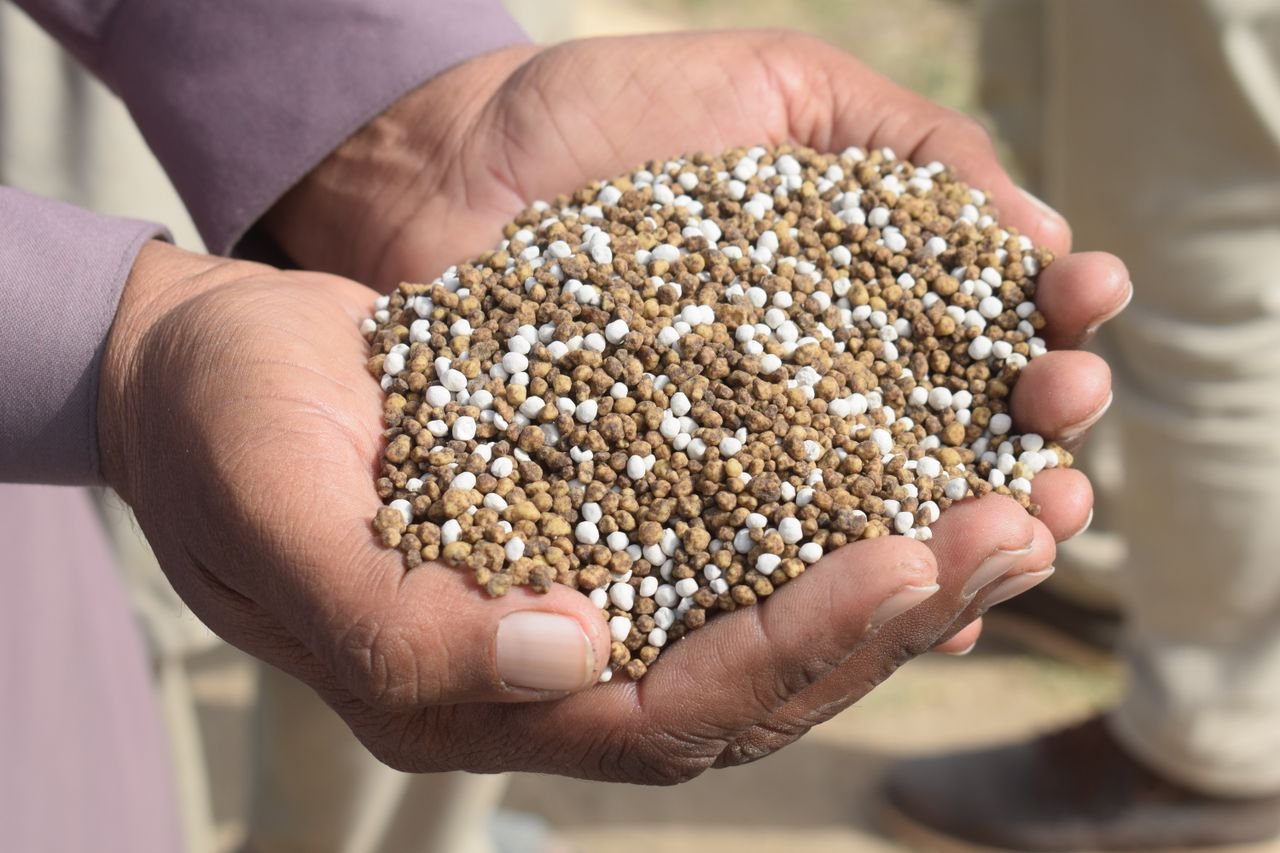
I’ve spent years working with plants from small container gardens on balconies to larger landscape beds and lawns—and few products have changed my approach more than slow-release fertiliser. Early on I relied on water-soluble feeds that gave a quick green-up followed by a crash, or I over-applied and watched leaf tips burn. Switching to properly chosen slow-release options smoothed everything out. Plants grew more evenly, I spent far less time feeding, and runoff worries dropped. This article shares what I’ve learned through trial, observation, and comparing products side by side so you can decide whether and how to use these fertilisers yourself.
Table of Contents
- What Slow-Release Fertiliser Actually Is
- How the Release Mechanisms Work
- Main Types and Technologies
- Real Product Comparisons and Honest Verdicts
- When (and When Not) to Use It
- Practical Application Tips from Experience
- Advantages, Limitations, and Environmental Notes
- FAQs
- Looking Ahead: Trends Worth Watching
- Final Thoughts
- About the Author
What Slow-Release Fertiliser Actually Is
Slow-release fertiliser (sometimes called controlled-release or timed-release) delivers nitrogen, phosphorus, potassium and often micronutrients gradually rather than all at once. The nutrients stay locked up or protected until soil conditions—moisture, temperature, or microbial activity—trigger their availability. The result is a steadier supply that better matches plant demand over weeks or months.
This is different from conventional water-soluble or “quick-release” fertilisers, which dissolve rapidly and become available within hours or days. Those work well for correcting deficiencies fast, but they also raise the risk of leaching, volatilisation, and fertiliser burn if you misjudge rates or timing. Slow-release products sit at the other end of the spectrum: lower peak concentrations in the soil solution, longer residual activity, and usually fewer applications per season.
You will see both “slow-release” and “controlled-release” on labels. In practice the terms overlap, though specialists often reserve “controlled-release” for polymer-coated products whose release rate is more predictable and temperature-driven, while “slow-release” covers a broader group that includes sulphur-coated materials and organic sources whose release depends more on microbial breakdown.
How the Release Mechanisms Work
Understanding the “how” helps you choose the right product for your climate and plants.
Polymer-coated granules (the technology behind many Osmocote-type products) work through osmosis. A semi-permeable resin or polymer shell surrounds a soluble fertiliser core. Soil moisture vapour slowly penetrates the coating, dissolves the nutrients inside, and the resulting solution diffuses outward. Thicker coatings or different polymer formulations produce longer release windows—commonly 3 to 6 months, sometimes up to 12. Temperature is the main driver: warmer soil speeds diffusion, cooler soil slows it. This is why the same product can behave differently in spring versus midsummer.
Sulphur-coated urea (SCU) and polymer-sulphur coated versions rely on a different physical barrier. Molten sulphur forms a coating around urea prills; water and microbes eventually create cracks or pores that allow the nitrogen to escape. Release is less uniform than pure polymer coatings because coating imperfections vary, and microbial activity plays a larger role. Many modern versions add a thin polymer topcoat for better abrasion resistance and more consistent performance.
Urea-formaldehyde (UF), methylene urea, and isobutylidene diurea (IBDU) are chemical condensates. Nitrogen is bound in larger molecules that break down through hydrolysis or microbial action. These tend to be used more in turf and professional landscaping.
Organic sources—composted manures, feather meal, bone meal, blood meal, and some processed plant-based products—release nutrients as soil organisms mineralise them. Release is highly dependent on temperature, moisture, and the existing microbial population. They also contribute organic matter and a broader range of micronutrients, which is why many gardeners prefer them for long-term soil health even if nutrient analysis is lower and less precise.
In all cases the goal is the same: avoid the feast-and-famine cycle. Plants receive a more continuous supply, roots experience less salt stress, and excess nutrients are less likely to wash into groundwater or surface water.
Main Types and Technologies
Here is a practical overview of the main categories I encounter:
| Type | Primary Release Driver | Typical Duration | Strengths | Limitations |
|---|---|---|---|---|
| Polymer-coated (CRF) | Temperature + moisture (osmosis) | 3–12 months | Predictable, low burn risk, good for containers | Higher cost |
| Sulphur-coated urea (SCU / PSCU) | Coating breakdown + microbes | 6–12 weeks (sometimes longer with polymer topcoat) | Lower cost than pure polymer, useful for turf | Less uniform release |
| Urea-formaldehyde / IBDU | Hydrolysis + microbial activity | 2–5 months | Good residual nitrogen for lawns | Temperature and soil pH sensitive |
| Organic (meals, composts, manures) | Microbial mineralisation | Weeks to several months | Soil-building, broad nutrient spectrum | Variable analysis, bulkier |
For most home gardeners the practical choices are polymer-coated complete NPK products, sulphur-coated nitrogen sources for lawns, and organic granulars or meals.
Real Product Comparisons and Honest Verdicts
I have used and observed several widely available products across containers, beds, and turf. Labels and packaging vary by market, but the core technologies are consistent. Below are comparisons based on performance, longevity claims, cost relative to coverage, and real-world behaviour. (Product images and packaging details can be checked on manufacturer or major retailer pages such as Osmocote Smart-Release or official brand sites.)
Osmocote Smart-Release Plant Food (e.g., 14-14-14 or 15-9-12 formulations)
Polymer-coated resin technology. One of the longest-established consumer CRFs. Claims of up to 6 months feeding are realistic in moderate temperatures when mixed into potting media or surface-applied and watered in. I have seen excellent results in containers and hanging baskets with a single spring application lasting through summer. The “no-burn” reputation holds when rates are followed. Drawbacks: higher price per kilogram of nutrient, and in very hot climates release can accelerate more than expected. Honest verdict: still my default for containers and high-value ornamentals. Reliable and convenient.
Miracle-Gro Continuous Release / Shake ’n Feed styles
These sit between true controlled-release and enhanced granular products. Some versions offer 3-month claims. They are widely available, easy to apply, and give visible results. In my experience they work well for general garden beds but do not match the longevity or consistency of thicker polymer coatings in the same conditions. Useful if you want something more accessible and less expensive than premium CRFs, but plan on a second application in long growing seasons.
Espoma organic granulars (Garden-tone, Plant-tone, etc.)
Organic slow-release options based on natural meals and mineral sources. Nutrient percentages are modest (often around 3-4-4 or similar), so rates are higher by volume. Release depends on soil biology. I value these for vegetable beds and long-term soil improvement. They do not deliver the same precision or speed as polymer-coated synthetics, but they improve structure and microbial activity over repeated use. Honest verdict: excellent companion or primary choice for organic-leaning gardens; less ideal if you need rapid correction of a clear deficiency.
Sulphur-coated urea products (various turf brands)
Common in lawn fertilisers. They provide a more economical slow-nitrogen source than pure polymer coatings. Performance is good for established turf when applied correctly, but coating quality varies between manufacturers. I have seen both even green-up and occasional uneven patches depending on product and weather. Best used as part of a broader lawn programme rather than the sole fertiliser.
Hybrid and enhanced-efficiency options
Some products combine polymer coating with inhibitors or add micronutrients and humates. These can bridge the gap between pure CRFs and organics. Results depend heavily on the specific formulation.
In side-by-side container trials I have run informally, polymer-coated products consistently required the fewest interventions and produced the most uniform growth. Organics built better soil over time. Quick-release liquids still won for rapid rescue of pale plants, but they demanded more frequent attention.
When (and When Not) to Use It
Slow-release fertiliser shines in these situations:
- Established lawns where you want steady colour without surge growth that demands constant mowing.
- Container plants, hanging baskets, and patio pots that cannot draw nutrients from surrounding soil. Mix into the media at planting or top-dress.
- Trees, shrubs, and perennial beds that benefit from low, consistent nutrition rather than repeated soluble applications.
- Vegetable gardens at planting time, especially for longer-season crops, provided you choose an appropriate NPK balance.
- Low-maintenance landscapes or holiday homes where frequent feeding is impractical.
- Areas near waterways or sensitive sites where reduced leaching is a priority.
It is less ideal when:
- Plants show acute deficiency symptoms that need fast correction (use a soluble feed first, then follow with slow-release).
- You are growing very short-cycle crops that finish before the fertiliser fully releases.
- Soil temperatures stay consistently cold; release slows dramatically.
- You need precise mid-season adjustments for high-demand crops such as tomatoes in peak fruiting—supplement rather than rely solely on slow-release.
In my own garden I often use a hybrid approach: incorporate a polymer-coated product at planting or in early spring, then top up with liquid or organic feeds only if visual cues or tissue tests suggest it is needed.
Practical Application Tips from Experience
Apply when plants are actively growing or about to enter active growth and soil temperatures are rising (generally above about 10–13 °C / 50–55 °F for meaningful release). Water after application to move granules off foliage and into the root zone. Avoid heavy applications just before heavy rain that could wash material away before it settles.
Containers, mix the recommended rate thoroughly into the potting mix rather than only top-dressing; this gives more even distribution. For lawns use a calibrated spreader and water in. For trees and shrubs, place material in a wide band under the drip line, not against the trunk.
Always read the specific product label for rates—over-application of even slow-release material can still cause problems, especially if coatings are damaged or temperatures spike.
Store products in a cool, dry place. Damaged coatings (crushed granules) release faster, so handle bags carefully.
Advantages, Limitations, and Environmental Notes
The main advantages I have observed are reduced labour, lower burn risk, more consistent growth, and reduced nutrient loss to the environment compared with equivalent rates of fully soluble fertiliser. Many extension services and water-quality programmes encourage slow- or controlled-release nitrogen for these reasons.
Limitations include higher upfront cost, slower visible response when a quick fix is needed, and the fact that release still depends on environmental conditions. Polymer coatings are not always fully biodegradable in the short term, though research continues on more sustainable coating materials. Organic options avoid that issue but bring their own variability.
Used thoughtfully, these products support both plant performance and more responsible nutrient management.
FAQs
Can I use slow-release fertiliser on seedlings?
Usually better to wait until plants are established or use a very light rate of a mild formulation. High salt or concentrated release can stress young roots.
Do I still need to water?
Yes. Moisture is required for release in coated products, and plants still need consistent soil moisture to take up the nutrients.
Will it work in cold weather?
Release slows significantly in cool soil. It is not a winter fertiliser in most climates.
Can I combine it with liquid feeds?
Yes. Many growers use slow-release as the base and liquids for fine-tuning.
Is organic always better?
It depends on your goals. Organics build soil; polymer-coated synthetics offer more precise timing and higher nutrient density.
Looking Ahead: Trends Worth Watching
Research continues on biodegradable polymer coatings, sulphur-polymer hybrids, and coatings that respond more intelligently to root exudates or specific temperature ranges. Enhanced-efficiency fertilisers that combine coatings with inhibitors are expanding. At the same time, interest in truly regenerative approaches keeps organic and biologically mediated release methods relevant. The practical sweet spot for most gardeners will likely remain a thoughtful mix of technologies rather than a single universal product.
Final Thoughts
Slow-release fertiliser is not magic, and it is not always the only tool you need. What it offers is reliability and reduced drama. When matched to the plant, the climate, and the growing system, it frees you from constant feeding schedules and delivers more even results with less environmental leakage. After years of comparing options, I reach for polymer-coated products for containers and high-value plants, organics for soil-building beds, and enhanced slow-nitrogen sources for turf. The best choice is the one that fits your specific conditions and how much time you want to spend managing fertility.
If you experiment, keep notes on rates, timing, and plant response. That personal data, more than any label claim, will refine your approach over seasons.
About the Author
The author is an independent horticulture researcher and long-time practical gardener with extensive hands-on experience in container growing, landscape maintenance, and soil fertility management. Work has included side-by-side product trials, observation of release behaviour under varying climate conditions, and ongoing review of extension literature and coating technologies. The focus remains on clear, experience-based guidance that helps gardeners make informed choices rather than follow marketing claims alone.