


I’ve lived in the Sacramento area long enough to know that Florin’s combination of mature trees, expansive clay soil, and older housing stock creates a perfect storm for underground pipe problems. One dry summer the ground shrinks. One wet winter it swells. Roots go hunting for moisture. Joints shift. And suddenly your shower backs up or a mysterious wet spot appears in the yard.
I’ve walked homeowners through more of these repairs than I can count—some simple, some that turned into multi-day projects involving concrete, landscaping, and more money than anyone wanted to spend. This guide is the practical version of those conversations. No sales pitch. Just what actually happens under Florin yards and how to handle it without getting taken advantage of.
Table of Contents
- Why Florin homes are especially prone to pipe trouble
- Warning signs you should never ignore
- What’s actually underground: common pipe materials
- Diagnosis first: the camera inspection
- Repair options compared: dig-and-replace vs trenchless
- Realistic cost ranges and what drives the price
- The repair process step by step
- Choosing a contractor in the Sacramento area
- Prevention that actually works
- FAQs
- Looking ahead
- Final thoughts
Why Florin homes are especially prone to pipe trouble
Florin sits on the southern edge of Sacramento with the same delta clay that affects much of the region. That clay expands when wet and contracts hard when dry. The constant movement stresses buried pipes. Add the large shade trees common in older neighborhoods—oaks, sycamores, and others—and you have roots actively seeking the moisture that leaks from even tiny cracks or loose joints.
Many homes here were built decades ago with clay tile, cast iron, or the infamous Orangeburg (bituminous fiber) pipe. Those materials simply weren’t designed for fifty-plus years of soil movement. Modern PVC holds up better, but if your house predates the mid-1980s, there’s a good chance part of your sewer or water line is original and vulnerable.
I’ve seen the pattern repeat: a homeowner notices slow drains, calls for a hydro-jetting, gets temporary relief, then six months later the backup returns worse than before. The roots or the shifted joint were never fixed—only cleared.
Warning signs you should never ignore
Some symptoms are obvious. Others sneak up on you.
- Multiple drains backing up at once (especially lower-level fixtures)
- Gurgling sounds from toilets when sinks or showers are used
- Sewage odors in the yard or near floor drains
- Unusually lush or wet patches of grass in a straight line
- Foundation cracks or settling near the path of the sewer line
- Higher-than-normal water bills with no visible leaks (for pressurized water lines)
- Slow draining that returns quickly after snaking
In Florin, the “wet spot in the yard” is classic for a leaking sewer. The clay holds the moisture near the surface longer than sandy soils would. Don’t wait for a full backup. Early camera inspection almost always costs less than emergency work after the line collapses.
What’s actually underground: common pipe materials
Knowing what you’re dealing with changes the repair approach.
Clay tile – Common in older sections. Joints are the weak point. Roots love them. Brittle and prone to cracking under soil movement.
Cast iron – Strong when new, but corrodes from the inside out over decades. Can develop scale that restricts flow long before it fails structurally.
Orangeburg – The problem child of mid-century construction. Made of wood fibers and pitch. It softens, flattens, and collapses. Once identified, full replacement is usually the only lasting fix.
PVC and ABS – Modern standard. Resistant to roots and corrosion when properly installed. Failures are usually from improper bedding, poor joints, or external damage.
A good camera inspection will identify the material, the condition, and the exact location of problems. Never authorize major work without seeing the video yourself.
Diagnosis first: the camera inspection
This is non-negotiable. A quality sewer camera inspection (with footage you can watch) tells you whether you have roots, a belly (sagging section), offset joints, cracks, or a full collapse. It also shows depth and location relative to driveways, slabs, and landscaping.
In the Sacramento area, many reputable companies include a basic inspection with cleaning or charge a modest fee that is often credited toward repair work. Ask for a copy of the video and a written report with footage timestamps. If a contractor wants to dig first and look later, find someone else.
For water lines under slabs (slab leaks), acoustic listening equipment and thermal imaging are common diagnostic tools. These are different from sewer cameras but equally important before any concrete cutting begins.
Repair options compared: dig-and-replace vs trenchless
This is where most homeowners feel overwhelmed. Here’s the practical breakdown based on what I’ve seen work—and fail—in Florin conditions.
Traditional dig-and-replace
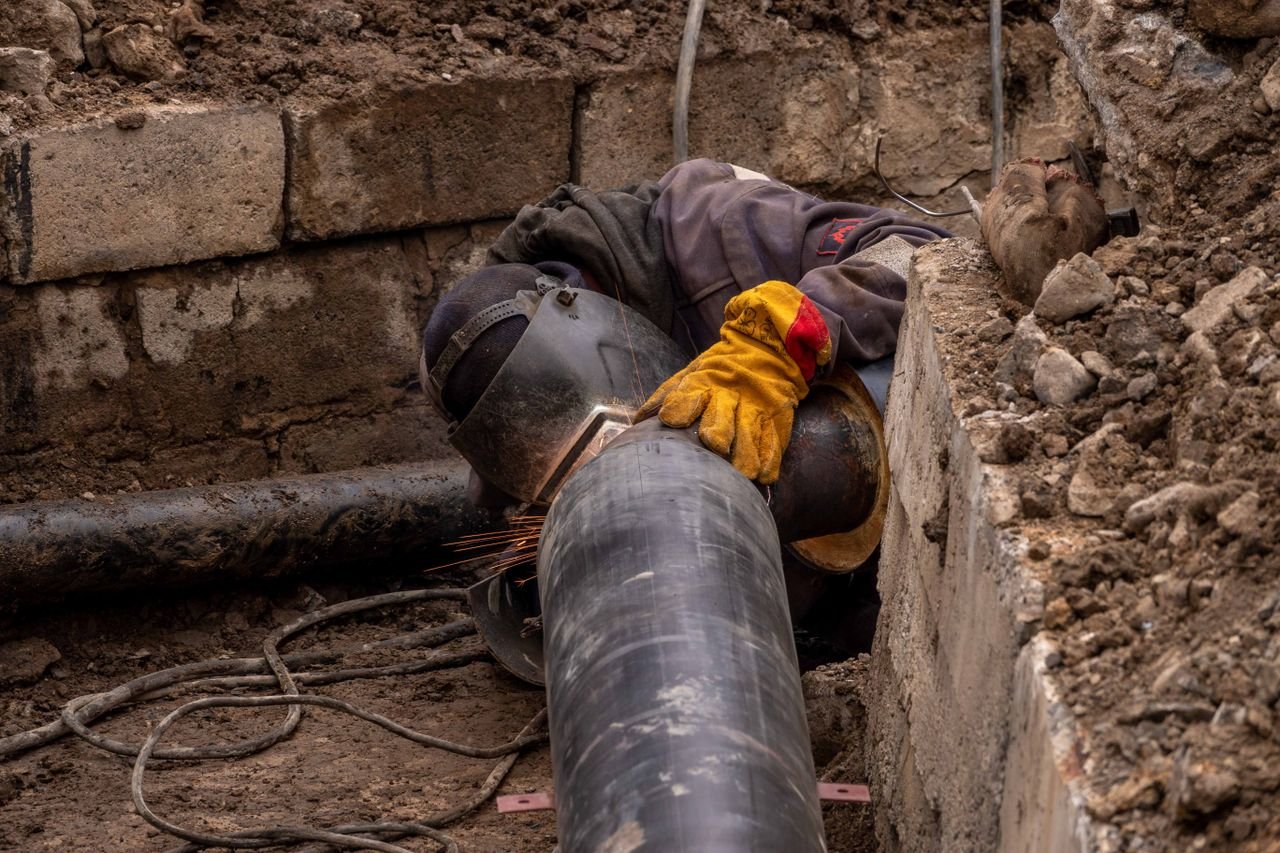
Excavate the damaged section, remove the old pipe, install new PVC, and backfill.
Pros: Complete replacement with modern material. You can correct slope problems and remove root-attracting joints. Longest expected lifespan.
Cons: Disrupts landscaping, driveways, and sometimes concrete. Higher restoration costs. Messy and weather-dependent.
Best for: Collapsed sections, Orangeburg pipe, severe bellies, or when multiple problems exist along the line.
Honest verdict: Still the gold standard when the pipe is too far gone for lining. Expect significant yard restoration afterward.
Cured-in-place pipe (CIPP) lining
A resin-saturated liner is inverted or pulled into the existing pipe and cured in place, creating a new pipe within the old one.
Pros: Minimal digging (usually just access points). Fast. Preserves landscaping and hardscape. Good for cracks, small offsets, and root intrusion once cleaned.
Cons: Does not fix major collapses or severe sags. Slightly reduces interior diameter. Quality depends heavily on preparation and installer skill.
Best for: Structurally sound pipes with cracks or joint issues.
Verdict: Excellent when the host pipe can still support the liner. I’ve seen good installations last well over a decade. Poor surface preparation leads to failures.
Pipe bursting
A bursting head is pulled through the old pipe, fracturing it outward while simultaneously pulling in new HDPE or PVC pipe.
Pros: Full-diameter replacement without a continuous trench. Handles many collapsed sections better than lining.
Cons: Requires access pits. Not ideal near other utilities or under certain foundations. More expensive than lining in many cases.
Best for: Full replacement when open trenching is undesirable.
Verdict: Strong option for longer runs under driveways or mature landscaping. Choose an experienced crew—the ground movement in clay soil needs careful management.
Many Sacramento-area companies now specialize in trenchless methods because the clay soil and established yards make traditional digging particularly disruptive. Resources from local providers such as those discussed on sites like Roto-Rooter’s Sacramento sewer pages highlight how soil movement factors into method selection.
Realistic cost ranges and what drives the price
Prices fluctuate with material costs, access difficulty, and restoration needs, but here are ballpark figures based on recent Sacramento-area work:
- Camera inspection: $250–$600
- Spot repair (small dig): $1,500–$4,000
- Full traditional replacement (typical residential lateral): $5,000–$15,000+ depending on length and obstacles
- CIPP lining (whole line): $4,000–$12,000
- Pipe bursting: often similar to or slightly higher than lining
Major cost drivers in Florin:
- Concrete or asphalt that must be cut and replaced
- Depth of the line
- Proximity to the house foundation or other utilities
- Whether the city main connection needs work (sometimes the responsibility of the homeowner up to a certain point)
- Permit and inspection fees
Always get itemized written estimates. Ask what is included in restoration. A low repair price that leaves you with a torn-up yard can become the more expensive option.
The repair process step by step
- Inspection and quote – Camera video, written report, clear explanation of options.
- Permits – Most significant sewer work requires a permit through Sacramento County or the relevant local authority. Reputable contractors handle this.
- Access and preparation – Cleaning the line thoroughly (critical for lining), locating utilities, protecting landscaping.
- Repair execution – Digging, lining, or bursting according to the chosen method.
- Final camera inspection – Confirm the repair before the trench is closed or the liner is fully cured.
- Backfill, compaction, and surface restoration – Proper compaction in clay soil is essential to prevent future settling.
- Final city inspection if required.
Never skip the post-repair camera. It is your proof that the work was completed correctly.
Choosing a contractor in the Sacramento area
Look for:
- Proper licensing (C-36 plumbing license in California)
- Local experience with clay soil and older pipe materials
- Willingness to show previous camera footage and explain options without pressure
- Clear written warranties on both materials and workmanship
- Good recent reviews that specifically mention sewer or underground work
Be cautious of anyone who pushes one method exclusively without considering the actual pipe condition. Both trenchless and traditional have their place.
Prevention that actually works
You cannot stop clay soil from moving or mature trees from seeking water, but you can reduce risk:
- Schedule a camera inspection every few years if your home is older or you have large trees near the sewer path.
- Avoid planting water-loving trees directly over or beside the sewer line.
- Address slow drains promptly instead of repeated chemical treatments.
- Consider root barriers if major trees are close and the line is still in good condition.
- Maintain proper grading so surface water does not saturate the soil around the pipes excessively.
FAQs
Who is responsible for the sewer line—homeowner or city?
In most Sacramento County situations, the homeowner owns and maintains the lateral from the house to the connection at the city main. Confirm with the local utility for your exact address.
Can I just keep snaking the line?
Temporary relief only. If roots or structural issues exist, the problem returns and usually worsens.
Is trenchless always better?
No. Collapsed or severely misaligned pipes often need traditional replacement. A good contractor will show you why one method fits better than another.
How long do modern repairs last?
Properly installed PVC or quality liners can last decades. The limiting factor is usually future soil movement or new root intrusion at untreated sections.
What about water lines under the slab?
Different issue (slab leaks). Diagnosis uses different tools, and repair often involves tunneling or carefully cutting the slab. Address these quickly—water under a foundation causes secondary damage.
Looking ahead
Trenchless technology continues to improve, with better resins, more flexible liners, and improved inspection tools. Some companies are combining robotic cutters with lining for more complex repairs. For Florin homeowners, the bigger practical shift is simply better awareness: more people are inspecting proactively instead of waiting for backups.
Insurance coverage for underground pipes remains limited in many standard policies. Review your policy and consider whether a service-line endorsement makes sense for your situation.
Final thoughts
Underground pipe problems in Florin are rarely a surprise to the soil and the trees—they’ve been working on the pipes for years. The surprise is only for the homeowner. The difference between a manageable repair and a painful one usually comes down to early detection, a clear diagnosis, and choosing the right method for the actual condition of the pipe.
Get the camera video. Understand the options. Hire someone who explains rather than pressures. And once the work is done, keep an eye on the warning signs so the next issue stays small.
Your yard, your foundation, and your wallet will all be better for it.
Author Bio
David Reynolds is a Sacramento-area home performance consultant and former plumbing estimator who has spent more than eighteen years helping homeowners navigate underground utility repairs. His work focuses on practical, site-specific solutions for the unique soil and infrastructure challenges of the greater Sacramento region, including Florin and surrounding neighborhoods. He continues to document real-world outcomes from both traditional and trenchless methods to help residents make informed decisions.