



I didn’t think much about toe kick until I was three weeks into installing IKEA SEKTION cabinets and realized I’d ordered the wrong quantity of VEDHAMN plinths for my run of base cabinets. That one miscalculation cost me a second trip to the store and a half-day delay, which is a frustrating way to learn that toe kicks aren’t the afterthought most people treat them as. This guide covers everything I wish someone had walked me through before I started — real dimensions, the install process, cutting tips, and how to make the oak finish actually look intentional rather than bolted on.
What VEDHAMN Toe Kicks Are
The toe kick sometimes called a plinth is the narrow strip that covers the gap between your base cabinets and the floor, hiding the cabinet legs and the leveling hardware underneath. VEDHAMN is IKEA’s oak-effect option, designed to be paired with VEDHAMN cabinet fronts or mixed with other SEKTION door styles if you want the warm oak tone running along the floor line even when your cabinet doors are a different finish.
It’s built from a layered material rather than solid wood — a plastic foil finish over a base that includes thermoplastic elastomer and polypropylene components, which is part of why it holds up so well against moisture and kicked-in vacuum cleaners.
Sizes and Specifications
The standard VEDHAMN toe kick panel measures 84 inches by 4½ inches (213.3 cm by 11.4 cm). That single panel size is meant to be cut down on-site to fit your specific cabinet run, rather than sold in a dozen pre-set lengths.
A few things to plan around:
- Standard height is 4½ inches, which matches the typical SEKTION leg height. If you’ve raised your cabinets on taller legs for accessibility reasons or a sloped floor, you’ll need to factor that into your cutting plan or look at a taller toe kick alternative.
- 84 inches is the maximum length per panel. For a long galley kitchen run, you’ll likely need multiple panels with a joining clip at the seam.
- Standard toe kick depth (how far it sits back from the cabinet face) is typically around 3 inches, which matters if you’re coordinating HVAC floor vents that run underneath cabinets — a common point of confusion during rough-in.
What You Need Before You Start
Before you touch a saw, lay out everything you’ll actually need:
- VEDHAMN toe kick panel(s)
- SEKTION plastic cabinet legs (these come with the mounting hardware for the toe kick clips — VEDHAMN itself doesn’t include separate fasteners if you’re using SEKTION legs)
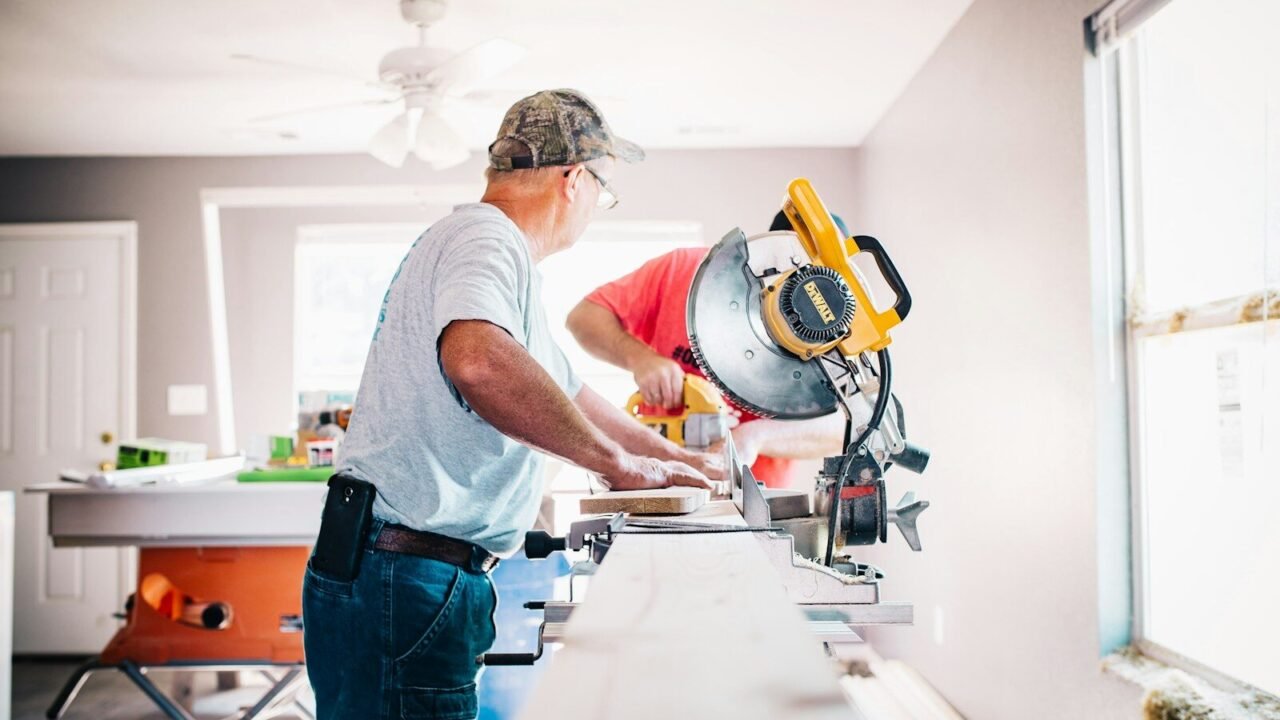
- A fine-tooth saw (a hand saw with a miter box works, but a circular saw with a fine blade gives a cleaner edge)
- A measuring tape and pencil
- A level
- Safety glasses, because the cut edge can flake slightly if you rush it
I’d also recommend dry-fitting your whole run before cutting anything permanently. Lay the panels along the base of your cabinets without snapping them in, just to confirm your seam placements land somewhere unobtrusive rather than dead center under a sink cabinet where any gap will be obvious.
Step-by-Step Installation
1. Confirm your cabinet legs are level first. This sounds obvious, but it’s the step people skip. If your legs aren’t level, the toe kick will visually telegraph every dip in your floor. Use a level across the front of each cabinet base before doing anything else.
2. Measure your total run length. Measure cabinet to cabinet, accounting for any end panels or filler strips. Write the number down — don’t trust your memory, because kitchens have a way of making measurements blur together by the third cabinet.
3. Mark and cut your panel. Transfer your measurement to the toe kick panel, mark it clearly, and cut slowly. The foil finish can chip if you rush the cut, so let the blade do the work rather than forcing it.
4. Clip the toe kick onto the cabinet legs. SEKTION legs have a small mounting bracket built in specifically for this. The toe kick snaps onto these brackets — you’ll feel and hear a click when it seats correctly. Don’t force it if it’s not aligning; double-check the bracket orientation first.
5. Join multiple panels with a connector clip if your run exceeds 84 inches. Place the seam at a point where it’ll be least visible — under a cabinet gap rather than in the center of an open run.
6. Do a final level check. Once everything’s clipped in, step back and sight down the length of the toe kick from a low angle. This is the best way to catch a subtle lean before it becomes a permanent annoyance.
Cutting VEDHAMN Toe Kicks to Length
A few details that made a real difference for me:
- Cut with the finished (foil) side facing up if using a circular saw, since the blade tends to chip the top surface on the exit side.
- Use painter’s tape along the cut line before sawing — it reduces chipping on the foil finish noticeably.
- Cut slightly long on your first piece and trim down rather than cutting exact and risking a gap you can’t fix.
- If you’re cutting around a corner for an L-shaped kitchen, miter the corner pieces at 45 degrees rather than butting them at 90 — it looks far more finished and hides minor measurement errors better.
Common Installation Problems and Fixes
The toe kick won’t snap onto the legs. Recheck the leg installation before assuming the toe kick is defective.
There’s a visible gap between the toe kick and the floor. This is almost always an uneven floor or unlevel legs, not a manufacturing issue. Adjust the leg height (SEKTION legs are adjustable) rather than trying to compensate with the toe kick itself.
Seams between panels are visible and distracting. Reposition the seam location if you haven’t permanently installed yet.
The toe kick flexes or feels loose when stepped on accidentally. Skipping middle brackets on a long run is a common shortcut that causes flex later.
VEDHAMN vs. Other IKEA Toe Kick Options
| Feature | VEDHAMN (Oak Effect) | FÖRBÄTTRA | HAVSTORP (Beige) |
|---|---|---|---|
| Finish | Oak effect, foil over composite | Off-white, plastic | Beige, smooth matte |
| Standard size | 84 x 4½ in | 84 x 4½ in | 84 x 4½ in |
| Best paired with | VEDHAMN oak fronts, wood-tone kitchens | Painted or white kitchens | Neutral, minimalist kitchens |
| Water resistance | Good | Very good (fully plastic) | Good |
| Visual texture | Wood grain pattern | Flat, uniform | Flat, smooth |
My honest take: VEDHAMN is the right call if your cabinet fronts are also VEDHAMN or another wood-tone finish — the continuity from floor to countertop is the whole point of choosing it.
Design Tips: Making It Look Custom-Built
The single biggest thing that separates a DIY-looking install from a custom one is consistency at the seams and corners.
Pairing VEDHAMN toe kicks with matching VEDHAMN legs (sold separately) rather than the standard plastic legs also matters more than people expect — having visible wood-tone legs at open ends or island bases ties the toe kick into the rest of the kitchen instead of looking like a strip tacked on at the bottom.
If you’re running an island with open legs rather than a continuous toe kick, consider using the VEDHAMN legs alone on that section and reserve the toe kick panel strictly for runs against a wall. It reads as a deliberate design choice rather than mismatched parts.
Maintenance and Cleaning
Cleaning is straightforward: a damp cloth with a mild, non-abrasive dish soap, then wiped dry. Avoid abrasive scouring pads, since they can dull the foil finish over time, and skip ammonia-based cleaners for the same reason.
Because the toe kick sits at floor level, it picks up more grime than any other cabinet surface in the kitchen — mop water, dropped food, pet hair. A quick wipe-down during your regular floor cleaning routine keeps it from building up a dull film that’s much harder to remove once it sets in.
Cost and Where to Buy
VEDHAMN toe kick panels are sold individually through IKEA, both in-store and online, and pricing is per 84-inch panel rather than per linear foot in a custom-cut format. For a typical kitchen with two to three cabinet runs, expect to need two to four panels depending on layout, plus the connector clips and any matching VEDHAMN legs if you’re going for full continuity.
Availability has been inconsistent in some regions based on customer feedback I’ve come across — it’s worth checking stock at your specific store or confirming online availability before finalizing your installation timeline, since back-orders on this particular finish have caused delays for other buyers.
FAQs
Can I use VEDHAMN toe kicks with non-VEDHAMN cabinet fronts? Yes. The toe kick mounts to the SEKTION leg system regardless of which door front you’ve chosen, so you can mix and match if you like the oak tone at floor level but a different finish on the doors themselves.
Do I need special tools to cut it? No specialized tools are required — a standard fine-tooth saw works fine. A circular saw with painter’s tape along the cut line gives the cleanest result.
What height should I order if my cabinets sit higher than standard? VEDHAMN is built around the standard 4½-inch SEKTION leg height. If your cabinets are raised higher than that, you’ll need a different toe kick height or a custom solution, since this panel isn’t height-adjustable beyond trimming length.
Does it work with non-IKEA cabinets? It’s specifically designed around the SEKTION leg and mounting bracket system, so using it with another cabinet brand would require adapting the mounting hardware, which isn’t something IKEA supports directly.
How do I handle corners in an L-shaped kitchen? Miter the panels at 45 degrees rather than butting them at a 90-degree joint — it produces a noticeably cleaner corner line.
Final Thoughts
Toe kicks get treated like an afterthought because they’re small and low to the ground, but a sloppy one is the fastest way to make an otherwise beautiful kitchen look unfinished. VEDHAMN does its job well as long as you respect the basics — level your legs first, take your time on the cuts, and place your seams thoughtfully. It’s not a complicated install once you’ve done it once, but the first run absolutely deserves the extra ten minutes of measuring twice before you cut. Mine looks better today than it did right after install, mostly because I went back a week later and re-mitered one corner I’d rushed — proof that a little patience at floor level pays off every time you walk into the room.
About the Author
This guide was written by a home renovation writer with direct, hands-on experience installing IKEA SEKTION kitchen systems, including multiple VEDHAMN cabinet and toe kick installations. The author draws on practical installation experience, manufacturer specifications, and feedback collected from other homeowners to provide accurate, field-tested guidance rather than generic assembly instructions.