


There’s a moment in every kitchen renovation when the countertop decision stops feeling exciting and starts feeling overwhelming. You’ve Googled quartz versus granite a dozen times, visited two showrooms, and now someone’s mentioned sintered stone and you’re wondering if you missed a memo.
You didn’t. Sintered stone is simply one of the most impressive surface materials to emerge in residential design over the last decade. As of 2026, it has moved well past the “niche premium product” category into genuine mainstream relevance. I’ve spent considerable time researching, specifying, and comparing sintered stone against competing surfaces, and what follows is the honest, detailed guide I wish had existed when I first started looking into it.
What Is Sintered Stone, Really?
The word “sintered” comes from metallurgy and ceramics. It refers to the process of compacting and fusing powdered materials using extreme heat and pressure — without ever fully melting them into a liquid state. In the case of sintered stone countertops, manufacturers blend natural minerals, clays, silica, and other inorganic raw materials, then subject them to temperatures exceeding 1,200°C under enormous hydraulic pressure. What emerges is a dense, non-porous slab that shares properties with both ceramic and natural stone — but outperforms both in several measurable ways.
The key distinction from engineered quartz is the use of resin. Quartz slabs are bound together using polymer resins, which is why they can be sensitive to heat and will sometimes yellow near windows with prolonged UV exposure. Sintered stone contains no resins whatsoever. The mineral particles fuse directly with one another, which is why the material is UV-stable, heat-resistant, and genuinely non-porous down to the core.
Neolith, the Spanish brand that commercialized the concept in 2009, was the first to bring sintered stone to a broad market. Dekton (by Cosentino) and Lapitec followed with their own interpretations. Today, these three brands dominate the premium tier, though a growing number of manufacturers in Asia and Europe have entered the market with credible alternatives.
The Real Benefits — Not the Marketing Brochure Version
Heat Resistance That’s Actually Useful
Sintered stone can withstand temperatures above 300°C without damage. In practical terms, this means you can slide a hot cast-iron skillet from the hob directly onto the surface without a trivet, and nothing will happen to the countertop. Quartz countertops can crack or discolor from a hot pan placed directly on the surface. Sintered stone doesn’t. This alone is a significant differentiator for serious home cooks.
UV Stability for Outdoor and Sun-Facing Kitchens
This is a point that rarely gets enough attention. Many beautiful white quartz countertops installed near large south-facing windows tend to develop a slight yellow tint over several years. The culprit is the polymer resin binder reacting to prolonged UV exposure. Because sintered stone contains zero resin, it’s completely UV-stable. Outdoor kitchens, covered patios with ambient sun, and bright conservatory-style spaces are all fair game for sintered stone without worrying about color shift.
True Non-Porosity
Granite requires sealing. Some quartzite is extremely porous. Even polished marble will absorb red wine if you leave a spill long enough. Sintered stone has essentially zero water absorption — many manufacturers report figures below 0.1%. Bacteria, mold, and food odors have nowhere to penetrate. This is particularly relevant for anyone with food allergies or elevated hygiene standards in the kitchen.
Scratch Resistance Beyond Granite
Sintered stone consistently rates between 7 and 8 on the Mohs hardness scale — harder than granite at 6–7, and considerably harder than quartz, which typically sits around 5–6. Day-to-day scratching from knives, ceramic dishes, and utensils barely registers. That said, I’d still recommend using a cutting board. Not because the countertop will suffer, but because dragging a knife across any hard stone surface will dull your blade far faster than a wooden board will.
Remarkable Thinness for Modern Applications
Sintered stone slabs can be produced as thin as 6mm — genuinely thinner than a smartphone. This unlocks design applications that stone simply can’t match: furniture-grade table surfaces, cabinet door fronts, wall cladding that doesn’t add structural load, and dramatically thin waterfall edges that look almost physically impossible on a kitchen island. The 12mm thickness is a popular choice for countertops that want a sleek, contemporary profile, while 20mm or 30mm suits more traditional or high-use applications.
Where Sintered Stone Falls Short
It’s worth being honest here, because this material isn’t perfect for every situation.
It’s demanding to fabricate. Because sintered stone is so hard and dense, standard stone cutting equipment can struggle with it. Chips form more readily during cutting than with softer materials, and the fabrication process demands experienced hands. Always choose a fabricator who specifically lists experience with sintered stone. A poor cut can result in cracking, particularly around sink cutouts and cooktop holes. This is the single biggest risk in the installation process, and it’s entirely contractor-dependent.
The cost is genuinely high. Installed sintered stone countertops typically range from $60 to $130 per square foot, depending on brand, finish, thickness, and installation complexity. That’s above mid-grade granite and quartz, though comparable to premium natural stone, such as high-quality quartzite or veined marble. Budget-conscious renovators may find better value elsewhere.
It can feel cold and stark in certain styles. Sintered stone’s clean, engineered precision suits contemporary, Scandinavian, and minimalist kitchens beautifully. In a warm, rustic, or country-style kitchen, it can feel slightly clinical. This is aesthetic subjectivity rather than a material flaw, but it’s worth considering before committing.
Edges chip under impact. While the surface itself resists scratching and heat, the edges of sintered stone — particularly in thinner formats — can chip if struck sharply. A heavy pan dropped from a height onto the edge is a genuine risk. Thicker slabs and beveled or eased edge profiles mitigate this, but it’s less of a consideration for softer materials that flex or dent rather than chip.
Understanding the Major Styles and Finishes
The aesthetic range of sintered stone has expanded dramatically in recent years. The following are the main finish categories you’ll encounter when shopping:
Polished: A high-gloss surface that intensifies color and veining. Dramatic in appearance, but shows fingerprints, water spots, and surface marks more readily than matte alternatives. Popular in dark tones like deep blacks and charcoals, where reflectivity creates genuine drama.
Honed/Matte: The current dominant preference in residential design, and for good reason. A honed finish is smooth to the touch but non-reflective. It hides daily evidence of use far more forgivingly than polished surfaces, and in lighter tones it produces a very natural, stone-like quality.
Leathered: A textured surface with subtle topographic variation — somewhere between rough and smooth. Increasingly popular in 2025–2026 for earthy, warm tones like terracotta, travertine-inspired patterns, and warm beige neutrals. It gives the countertop a handcrafted quality that contrasts well with precision cabinetry.
Fluted/Structural (emerging): Neolith’s 2026 Architectural line introduced quarter-inch sintered stone panels with Rigato fluted relief and Cava matte textures — a genuinely sculptural surface that has moved sintered stone from a functional material to an architectural expression. This is still primarily a wall cladding application, but it signals where the aesthetic is heading.
Color and pattern trends for 2026 are firmly leaning toward warm neutrals. Taj Mahal quartzite-inspired patterns — with their gentle beige tones and delicate ochre veining — have been adopted by multiple manufacturers, including Neolith and Dekton. The cool grey and stark white dominance of the previous decade has softened into warmer, earthier territory that pairs naturally with natural wood tones and warm-tinted hardware.
The Leading Brands Compared
Neolith remains the originator and arguably the most design-forward brand in the category. Founded in 2009 by the Spanish company The Size, Neolith operates the world’s largest sintered stone production facility and has consistently pushed design boundaries. Their collections include everything from marble and quartzite lookalikes to genuinely abstract artistic surfaces. Strong sustainability credentials with transparent environmental reporting.
Dekton by Cosentino is the other household name in sintered stone. Cosentino, the company behind the popular Silestone quartz brand, developed Dekton as a direct response to demand for resin-free surfaces. Dekton is particularly well-regarded in the outdoor kitchen segment for its UV stability and frost resistance, and its collaboration with fashion designers and artists has produced some genuinely striking limited-edition collections.
Lapitec is an Italian-engineered option that produces a fully homogeneous slab — meaning the pattern goes all the way through the material at consistent density. This is particularly useful for dramatic edge details where you want the interior of the slab to display the same visual richness as the face. Lapitec’s aesthetic tends toward sophisticated minimalism with a strong architectural sensibility.
Asia-Pacific manufacturers have entered the market aggressively over the past two years with products at lower price points. Quality varies considerably, and I’d recommend requesting material testing data — specifically water absorption rates and hardness certifications — from any brand you haven’t previously used or seen installed.
The Buying Guide: What to Actually Do
Step 1: Decide on Thickness Before You Start Looking
The thickness you choose affects everything — edge detail options, installation complexity, how the countertop reads visually, and cost. For a standard kitchen countertop with heavy daily use, 12mm with a double-laminated edge (creating the visual impression of 24mm) is a cost-effective and practical choice. For a serious statement island or a waterfall application, a full 20mm provides structural comfort and a more substantial presence.
Step 2: Find a Fabricator First, Then Choose Material
This is counterintuitive advice, but it matters. Sintered stone fabrication is skill-dependent. An experienced fabricator will have relationships with specific suppliers, will advise you honestly on which slabs are more or less forgiving to work with, and will point you toward the edge profiles they execute best. A less experienced fabricator attempting sintered stone cuts on your expensive slab for the first time is a risk not worth taking.
Ask specifically: “How many sintered stone projects do you complete per month?” and “Can you show me recent installations you’ve done?” Any hesitation or vague answers are warning signs.
Step 3: View Full Slabs in Person
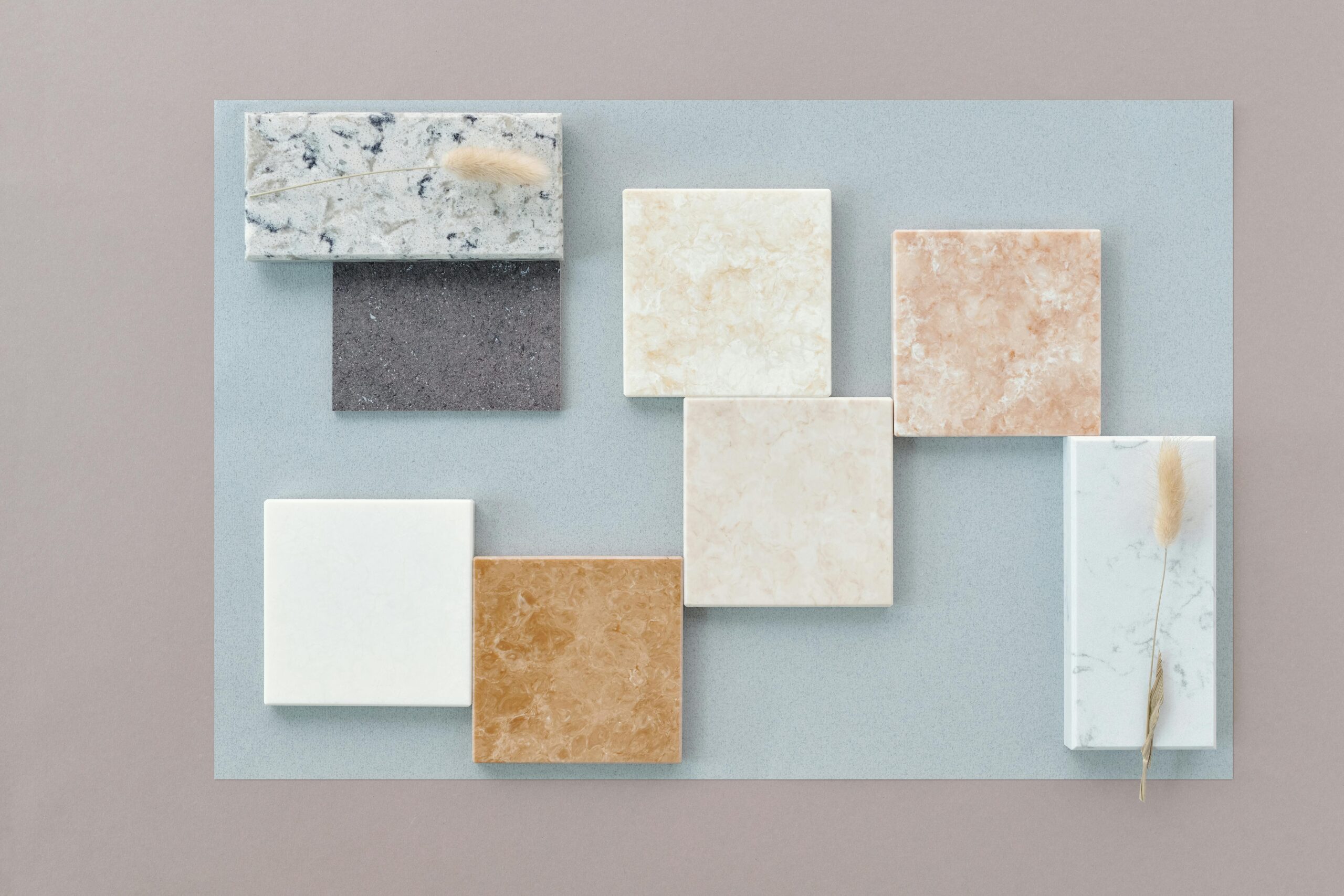
Samples are essentially useless for evaluating sintered stone, particularly veined patterns. A 10cm chip gives you color and texture reference, but a veined pattern at full slab scale looks dramatically different. Most serious showrooms will have full or near-full slabs on display. If not, ask to visit the slab warehouse. Online photos, even professional ones, routinely fail to capture the scale and movement of these patterns accurately.
Step 4: Clarify Edge Details Early
Some edge profiles — particularly mitred waterfall edges — require the fabricator to cut at a precise 45-degree angle and join two pieces perfectly. Any variation is immediately visible and can look expensive in the wrong direction. Establish what edges you want before the fabricator quotes, not after.
Step 5: Understand the Maintenance Reality
Sintered stone is about as low-maintenance as countertop surfaces get. Standard cleaning with a damp cloth and mild detergent handles 99% of situations. No sealing required. No special cleaners needed. Avoid abrasive pads on polished finishes, and be aware that highly acidic or alkaline cleaners (such as full-strength bleach) used repeatedly can eventually affect certain surface finishes. In practice, this is rarely an issue.
Frequently Asked Questions
Is sintered stone the same as porcelain tile? Related but not identical. Both are ceramic-based and fired at high temperatures, but sintered stone slabs are produced at greater pressure and to more exacting tolerances than tile. Sintered stone is also often available in larger slab formats and is engineered for countertop and cladding applications where structural continuity matters.
Can sintered stone crack? Yes, though less commonly than natural stone. Impact cracking — from a very heavy object dropped from height — is the most likely failure mode. Thermal cracking from dramatic temperature changes is extremely rare, given the material’s characteristics. The edges are more vulnerable than the face surface.
Does sintered stone need to be sealed? No. This is one of its clearest advantages. Never needs sealing, and no special maintenance products are required.
Is sintered stone safe for food contact? Yes. The non-porous surface doesn’t harbor bacteria, and since there are no resins or synthetic binders, there are no off-gassing concerns. It’s one of the most food-safe countertop materials available.
How does sintered stone compare to engineered quartz in price? Sintered stone typically runs 15–30% higher than premium engineered quartz for equivalent installations. The premium is justified by heat resistance, UV stability, and genuine non-porosity — but whether those properties matter for your specific use case is something worth thinking through honestly.
Where the Material Is Heading
The sintered stone category, as of mid-2026, is in a genuinely exciting period. The move toward warmer, more expressive aesthetics is a meaningful shift away from the sterile perfection that defined early sintered stone design. Texture is becoming a dominant design value — surfaces that invite touch rather than just visual admiration.
The integration of sintered stone into outdoor living spaces continues to accelerate. With UV stability and frost resistance as standard features, it’s become the default specification for serious outdoor kitchen projects where the client wants countertop materials that perform as well outside as they do inside.
Perhaps most significantly, the sustainability conversation around countertop materials is increasingly favoring sintered stone. The material contains no plastic resins, uses entirely natural minerals, and several manufacturers have made substantial commitments to renewable energy in production and recycled water systems. As renovation decisions increasingly factor in material provenance and environmental footprint, sintered stone holds a credible position that resin-bound alternatives struggle to match.
Final Thoughts
Sintered stone isn’t right for every kitchen or every budget. But for clients who prioritize genuine performance materials that hold up without fuss, look sophisticated without demanding constant care, and can move between indoor and outdoor applications without compromise — it consistently delivers on its promises in ways that few other countertop materials can match.
The buying process requires more diligence than standard quartz or granite. The fabricator matters enormously. The slabs need to be seen in person. And the price premium needs an honest justification relative to how the kitchen is actually used.
Get those things right, and sintered stone is as close to a future-proof countertop investment as the current market offers.