

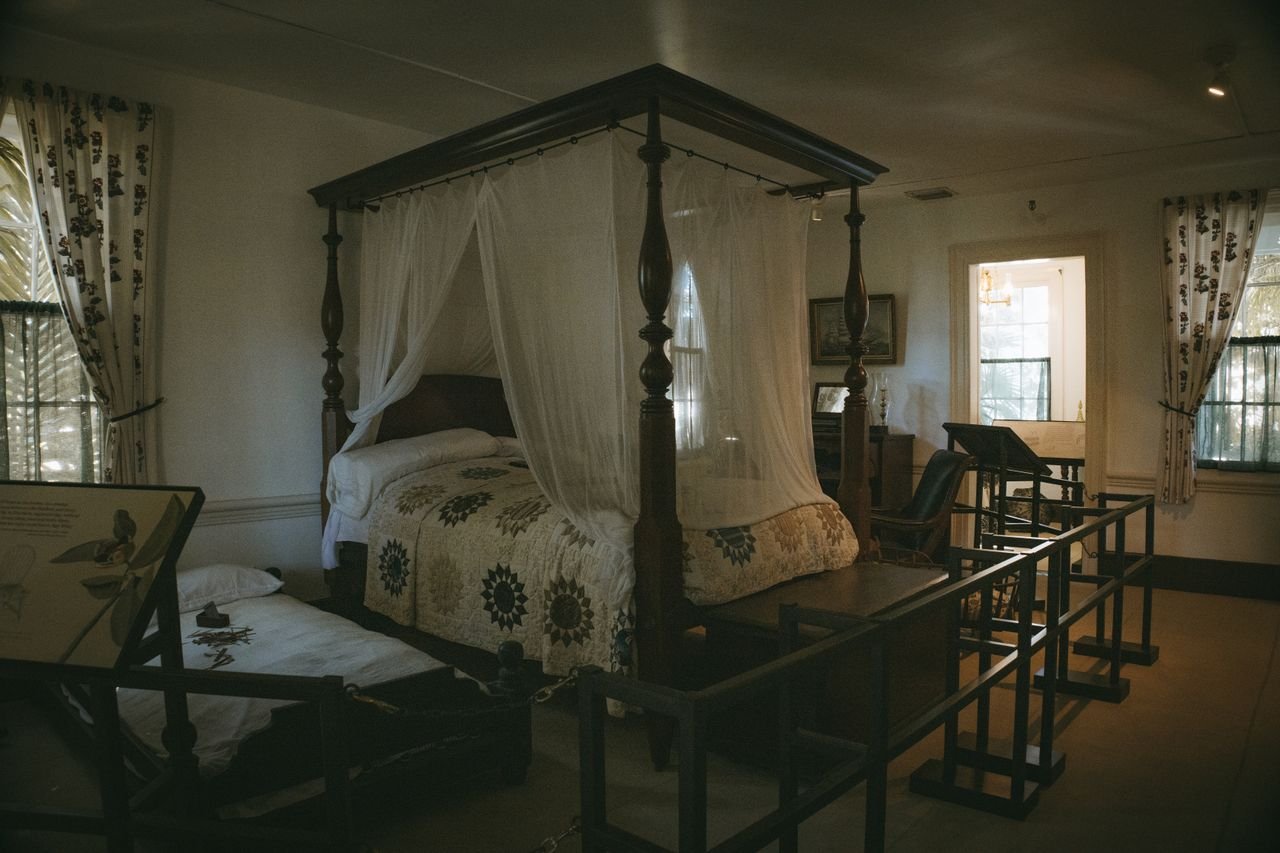



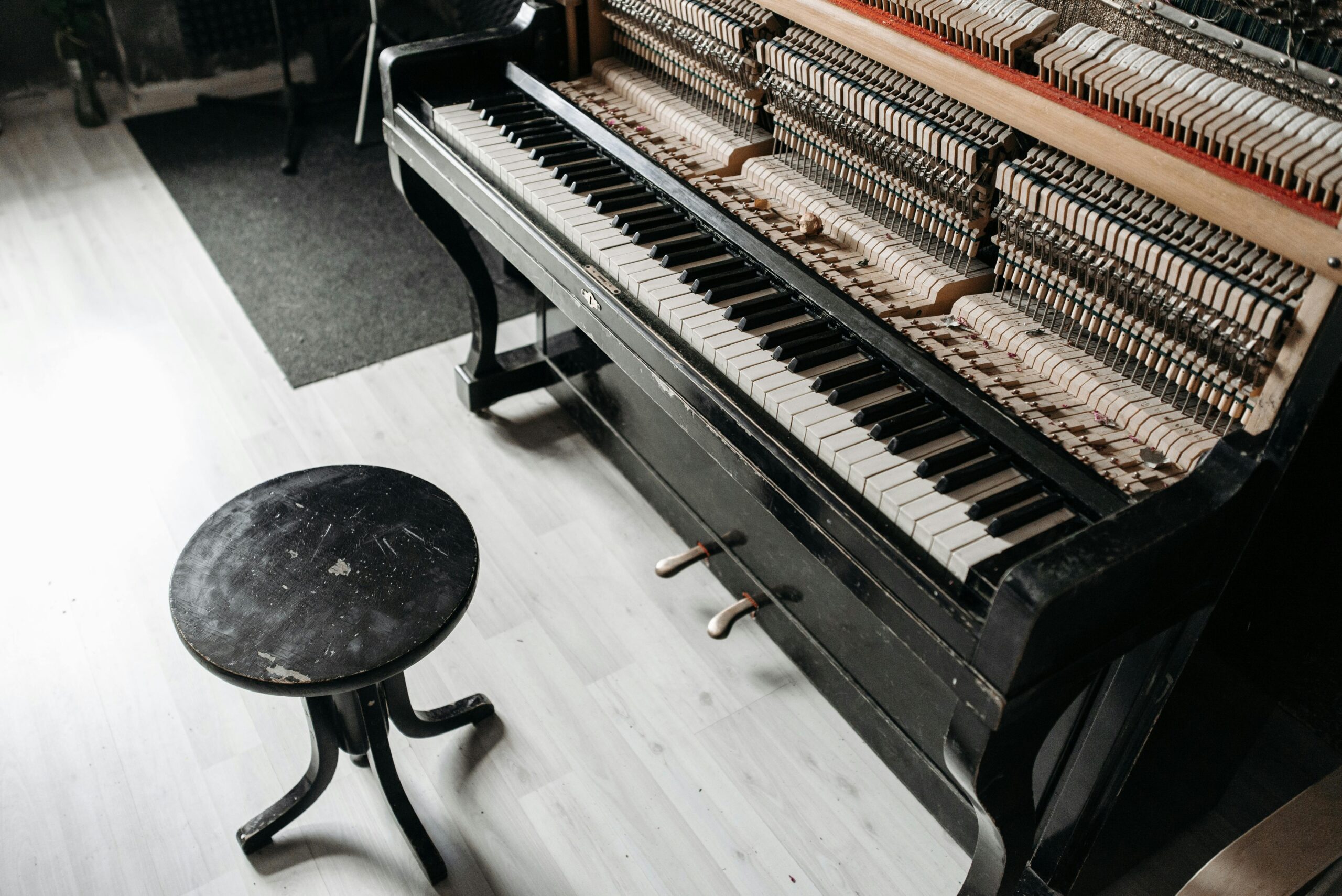
A living room with piano is more than a décor choice. It is a blend of music, lifestyle, and interior design. Whether you own an upright piano or a grand piano, placing it correctly in your living room changes how the entire space feels. It affects acoustics, movement flow, lighting, and even the emotional tone of the home.
Many homeowners place a piano without planning and later face issues like poor sound balance, cluttered layout, or furniture mismatch. The goal of this guide is to provide a clear, practical, and design-focused approach to creating an elegant living room with piano setup that looks refined and functions well in daily life.
This guide explains placement strategies, design styles, space planning, maintenance, and expert-level interior tips used by designers to integrate pianos naturally into modern and classic homes.
Why a Piano Changes the Living Room Design Completely
A piano is not just furniture. It is a large visual and acoustic object that becomes a focal point in any room.
Key Impacts of Adding a Piano
- Defines the main focal point of the room
- Influences furniture layout
- Affects sound distribution
- Enhances luxury perception of the space
Expert Insight: Interior designers treat pianos as architectural elements, not movable furniture. That is why placement decisions are made early in the design process.
Choosing the Right Piano for Your Living Room
Before placement, selecting the right type of piano is important.
Upright Piano
- Compact design
- Fits small to medium living rooms
- Best for apartments and modern homes
Grand Piano
- Larger footprint
- Strong visual statement
- Requires spacious living rooms
Digital Piano
- Lightweight and flexible
- Can be moved easily
- Ideal for multifunctional spaces
Best Placement Ideas for a Living Room with Piano
1. Against a Solid Wall
This is the most common and stable option.
Benefits
- Saves space
- Provides structural support
- Reduces visual clutter
Best For
- Upright pianos
- Small living rooms
2. Near a Window (Controlled Light)
Natural light enhances the piano visually.
Important Consideration
Avoid direct sunlight, which can damage wood and tuning stability.
3. Corner Placement
Corners help balance space usage.
Benefits
- Maximizes open floor area
- Creates cozy music corner
4. Center Stage Placement (Grand Piano)
Used in luxury interiors.
Features
- Piano becomes focal centerpiece
- Requires large open space
Insider Tip: Place a rug under a grand piano to define its zone and improve acoustics.
Ideal Room Layout for Piano Integration
Step 1: Identify Focal Point
Decide if the piano or TV is the main focus.
Step 2: Balance Furniture Arrangement
- Sofa facing piano or angled seating
- Avoid blocking sound direction
Step 3: Maintain Movement Flow
Ensure clear walking paths around piano.
Lighting Ideas for Piano Spaces
Lighting plays a huge role in visual elegance.
Ambient Lighting
- Soft ceiling lights
- Warm tones preferred
Accent Lighting
- Wall sconces near piano
- Highlight piano surface
Natural Lighting
- Side window light preferred
- Avoid direct glare
Interior Design Styles for Living Room with Piano
Modern Minimalist
- Clean lines
- Neutral colors
- Sleek piano finishes
Classic Luxury
- Wooden textures
- Chandeliers
- Dark polished piano finishes
Scandinavian Style
- Light wood tones
- Minimal décor
- Airy space design
Contemporary Glam
- Metallic accents
- Bold contrast colors
Furniture Arrangement Around Piano
Sofa Positioning
- Face piano for interaction
- Or place perpendicular for balance
Chairs and Seating
- Add accent chairs near piano
- Maintain open space for player
Coffee Table Placement
- Keep distance from piano
- Avoid blocking movement
Acoustic Considerations
Sound quality matters in a living room with piano.
Flooring Impact
- Hardwood enhances sound resonance
- Carpet softens sound
Wall Materials
- Curtains improve acoustics
- Avoid too many hard reflective surfaces
Expert Insight: A mix of soft and hard surfaces creates the most balanced piano sound in home environments.
Common Mistakes in Piano Placement
Placing Near Heat Sources
Radiators and fireplaces can damage tuning.
Direct Sunlight Exposure
Causes fading and structural damage.
Blocking Walkways
Reduces usability of space.
Ignoring Humidity
Affects wood and strings over time.
Maintenance Tips for Living Room Piano
Regular Tuning
- Every 6–12 months
Cleaning
- Use microfiber cloth
- Avoid harsh chemicals
Humidity Control
- Keep room humidity stable
Styling Ideas for Elegant Piano Setup
Add a Piano Bench with Storage
Functional and aesthetic.
Use Decorative Rugs
Defines piano zone visually.
Wall Art Above Piano
Creates a balanced focal composition.
Green Plants Nearby
Softens heavy wooden elements.
Small Living Room with Piano Solutions
Use Upright Piano
Saves maximum space.
Wall-Mounted Storage
Reduces clutter.
Light Color Palette
Makes room feel larger.
Multi-Functional Furniture
Foldable tables and chairs.
Luxury Living Room with Grand Piano Setup
Open Floor Plan
Essential for grand piano visibility.
Statement Lighting
Chandelier above piano enhances elegance.
High-End Materials
Marble, wood, and glass combinations.
Insider Tips for Perfect Piano Integration
- Always place piano first before arranging furniture
- Match piano finish with floor tone
- Use rugs to control sound reflection
- Keep at least 3 feet clearance around piano sides
- Test seating positions for listening experience
Cost Considerations
Upright Piano Setup
- Lower space requirements
- Lower interior modification cost
Grand Piano Setup
- Requires larger space
- Higher décor and acoustic investment
Emotional Impact of a Piano in Living Room
A piano creates a strong emotional presence:
- Encourages creativity
- Adds cultural value
- Enhances family interaction
It is both a functional and emotional centerpiece.
Conclusion
A living room with piano is a blend of art, design, and sound. Proper placement, lighting, and layout planning transform a simple room into a refined musical space.
The key is balance between aesthetics and functionality, sound and silence, space and structure. When designed correctly, a piano does not just sit in a room; it defines it.