





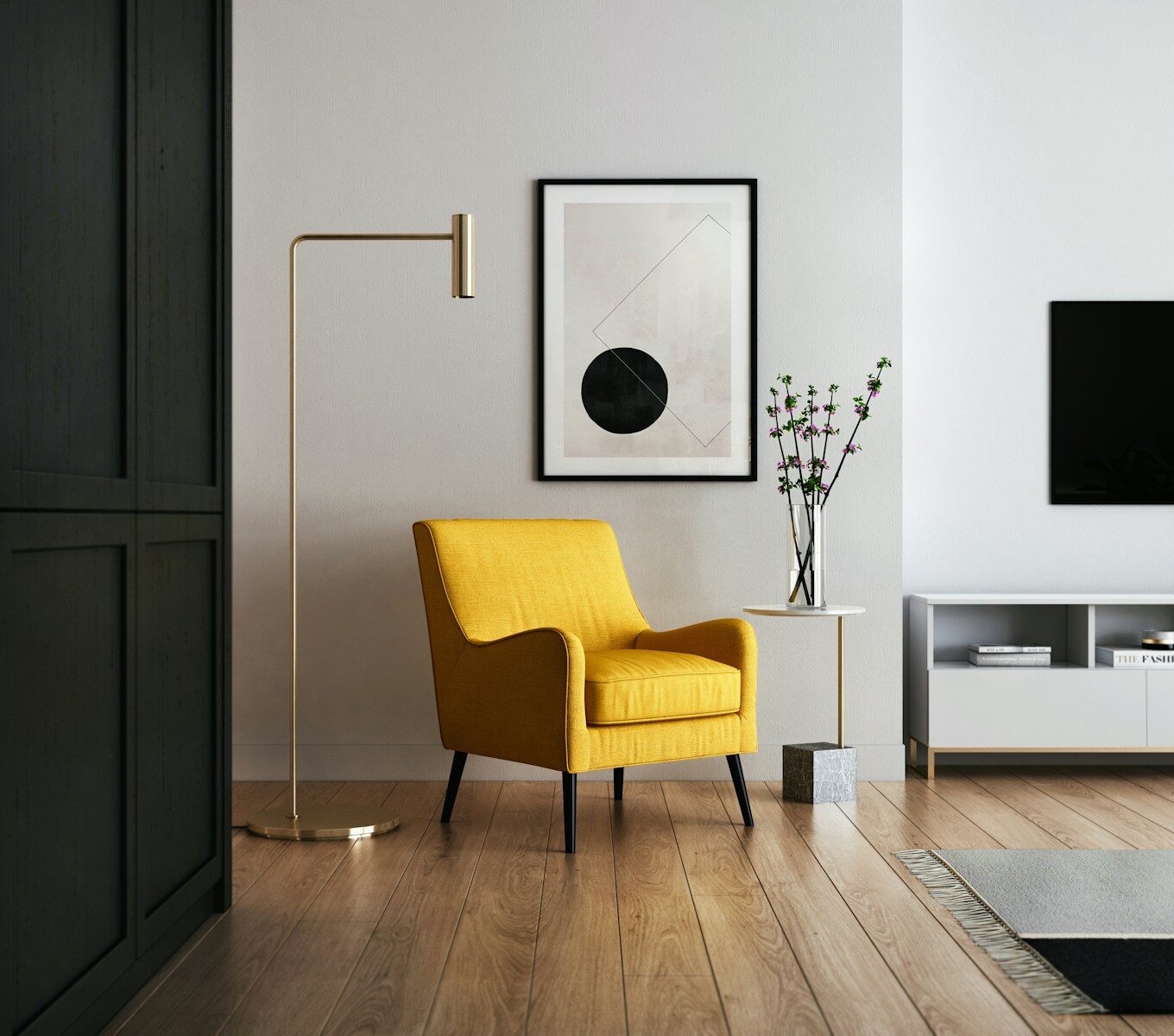
Bitney’s Furniture Guide: What to Know Before You Buy is a practical, expert-level resource for anyone planning to purchase furniture for a home, office, or commercial space. Buying furniture is not just about choosing a style it involves understanding materials, durability, comfort, pricing, space planning, and long-term value.
Many buyers focus only on appearance and overlook quality, construction methods, and maintenance requirements. This often leads to early wear, discomfort, or expensive replacements. A smart furniture purchase balances aesthetics, function, and durability.
This guide breaks down everything you need to know before buying furniture, including materials, construction quality, pricing factors, design principles, and insider tips used by interior professionals.
Why Furniture Buying Decisions Matter
Furniture is a long-term investment that affects daily comfort and lifestyle.
Key Reasons to Choose Carefully
- Impacts comfort and posture
- Influences home aesthetics
- Affects space functionality
- Determines long-term costs
Expert Insight: High-quality furniture often costs more upfront but reduces replacement and repair costs over time.
Understanding Furniture Categories
Before buying, it is important to understand major furniture categories.
1. Living Room Furniture
Includes sofas, coffee tables, recliners, and TV units.
2. Bedroom Furniture
Includes beds, wardrobes, nightstands, and dressers.
3. Dining Furniture
Includes dining tables, chairs, and storage cabinets.
4. Office Furniture
Includes desks, ergonomic chairs, and storage systems.
Materials Used in Furniture Construction
Material quality is one of the most important factors in furniture durability.
Solid Wood
- Highly durable
- Long lifespan
- Premium pricing
Engineered Wood (MDF/Particle Board)
- Budget-friendly
- Lightweight
- Moderate durability
Metal Furniture
- Strong structure
- Modern look
- Resistant to pests
Upholstered Furniture
- Comfortable seating
- Fabric or leather covering
Insider Tip: Always check the frame material under upholstery this determines true furniture quality.
How to Check Furniture Quality
Frame Strength
Strong internal frames ensure durability.
Joint Construction
Look for:
- Dovetail joints
- Screwed connections
- Reinforced corners
Cushion Quality
High-density foam lasts longer and maintains shape.
Finish and Coating
Protects against scratches and moisture.
Furniture Design Styles
Modern Minimalist
- Clean lines
- Neutral colors
Classic Traditional
- Detailed carvings
- Rich wood tones
Industrial Style
- Metal and wood mix
- Raw finishes
Scandinavian Style
- Light colors
- Functional design
Space Planning Before Buying Furniture
Measure Your Space
Always measure room dimensions before purchasing.
Leave Movement Space
Ensure walking space between furniture pieces.
Focus on Layout Flow
Arrange furniture based on usage patterns.
Expert Insight: Many furniture mistakes happen due to ignoring scale and proportion.
Comfort vs Aesthetics
A good furniture choice balances both.
Comfort Factors
- Seat depth
- Back support
- Cushion firmness
Aesthetic Factors
- Color harmony
- Shape design
- Texture balance
Price Factors in Furniture Buying
Material Cost
Solid wood is more expensive than engineered wood.
Brand Value
Established brands often charge more for quality assurance.
Design Complexity
Custom designs increase cost.
Transportation and Assembly
Delivery and installation fees may apply.
Common Furniture Buying Mistakes
Ignoring Material Quality
Leads to early damage.
Buying Without Measuring Space
Results in poor fit and clutter.
Choosing Style Over Comfort
Reduces usability over time.
Not Testing Furniture
Always test seating and movement if possible.
Maintenance Tips for Furniture
Regular Cleaning
Use appropriate cleaning products based on material.
Avoid Direct Sunlight
Prevents fading and cracking.
Use Protective Covers
Extends fabric life.
Tighten Joints Periodically
Prevents wobbling and damage.
Sustainable Furniture Buying
Eco-Friendly Materials
- Bamboo
- Reclaimed wood
Low-VOC Finishes
Reduces indoor air pollution.
Long-Lasting Design
Reduces waste and replacement frequency.
Expert Furniture Buying Tips
- Always check warranty terms
- Compare multiple suppliers
- Test ergonomics before purchase
- Focus on long-term durability, not just looks
- Invest in high-use items first (sofa, bed)
How to Identify Good Bitney’s Furniture Deals
Seasonal Discounts
Furniture sales often occur during seasonal clearance.
Bundle Offers
Buying sets can reduce total cost.
Direct Manufacturer Purchases
May offer better pricing than retail stores.
Is Expensive Furniture Always Better?
Not always. Price reflects material, brand, and design, but some mid-range furniture offers excellent durability if built properly.
Conclusion
Bitney’s Furniture Guide: What to Know Before You Buy highlights the importance of making informed furniture decisions. Choosing the right materials, understanding construction quality, and planning your space properly can significantly improve comfort, durability, and value.
Furniture is a long-term investment, and careful selection ensures better lifestyle quality and reduced replacement costs.