


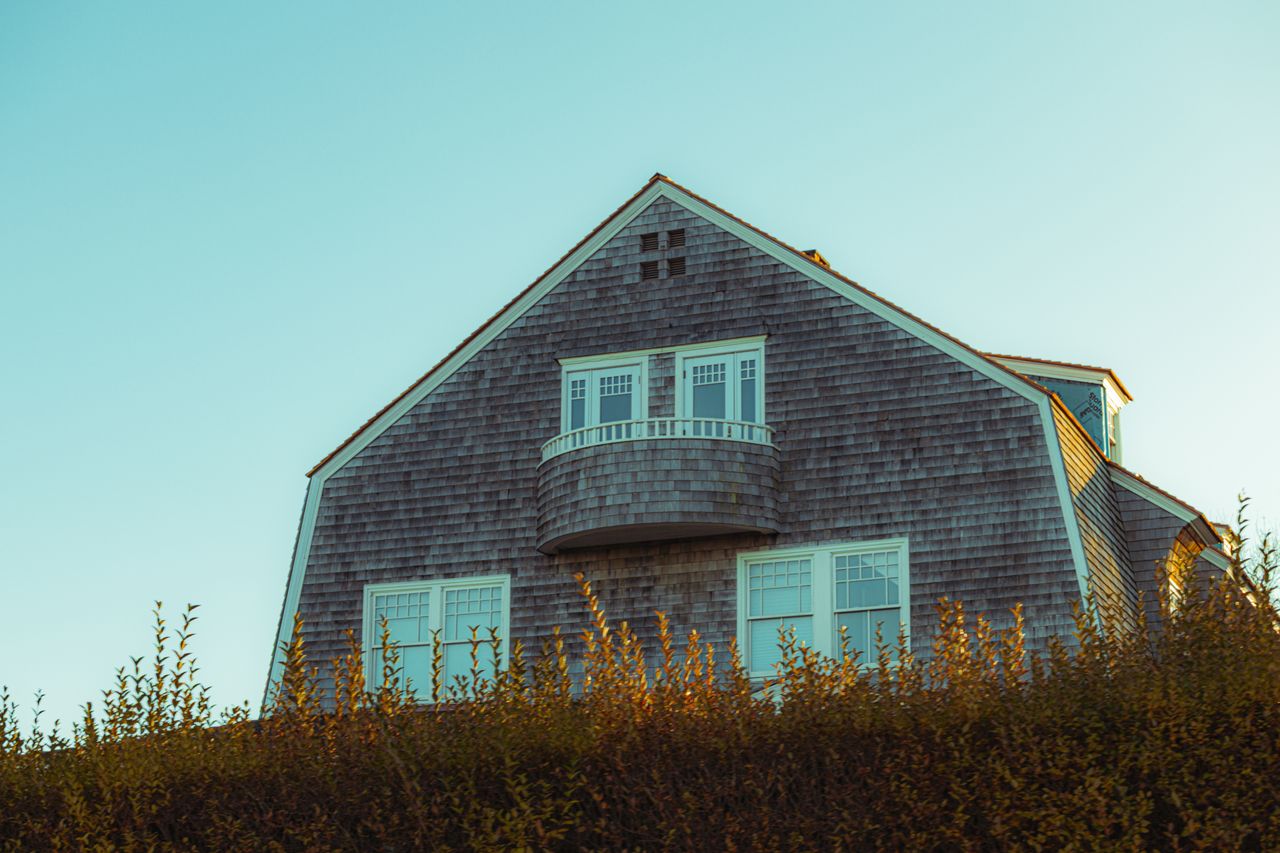
I re-sided the gable ends of a client’s farmhouse-style build two summers ago, and it’s still the project people ask me about most. The rest of the house was fiber cement lap siding, but the owners wanted cedar board and batten on the front gables and porch — the kind of detail that makes a house look intentional instead of builder-grade. It’s a beautiful material, but it’s also one homeowners tend to research a little too late, after they’ve already fallen in love with a photo on Pinterest without knowing what they’re signing up for in terms of cost, upkeep, and installation detail. This guide is everything I’ve learned installing and maintaining it, laid out so you know exactly what you’re getting into before the lumber shows up.
Table of Contents
- What Board and Batten Siding Actually Is
- Why Homeowners Choose Cedar Specifically
- Types and Grades of Cedar to Know
- Installation Styles: Board-on-Board vs. Reverse Board and Batten
- The Rainscreen Detail Most Installers Skip
- Cost Breakdown: Materials, Labor, and Regional Ranges
- Cedar vs. Other Siding Materials
- Maintenance and Refinishing Schedule
- Common Mistakes That Shorten Cedar Siding’s Life
- Climate and Regional Considerations
- Sustainability: How Cedar Stacks Up Environmentally
- Where the Industry Is Headed
- My Take From the Field
- Frequently Asked Questions
- Final Thoughts
What Board and Batten Siding Actually Is
Board and batten is a vertical siding pattern where wide boards run up the wall and narrow strips — the battens — cover the seams between them. It started as barn and outbuilding construction, where the gaps between rough-sawn boards needed covering to keep weather out, and it’s since become one of the most recognizable looks in farmhouse and modern-rustic architecture.
The pattern reads as vertical lines rather than the horizontal shadow lines of lap siding, which is exactly why it shows up so often on gables, porch accents, and dormers — it breaks up a facade and adds texture without competing with the rest of the house. Full-house board and batten has also come back into style over the last decade, particularly on modern farmhouse builds.
Why Homeowners Choose Cedar Specifically
Board and batten can be built from pine, fir, engineered wood, fiber cement, or vinyl, so cedar is a specific choice, not the only option. What sets cedar apart is what’s inside the wood itself: natural oils called thujaplicins that give it real resistance to rot and insects without chemical treatment. Pine and fir siding need pressure treatment or heavy coatings to get anywhere close to that same resistance.
Cedar is also dimensionally stable, meaning it resists the cupping and warping that plagues cheaper softwoods, and it’s light enough to work with by hand without specialty equipment. Then there’s the look — cedar’s grain and color, especially in higher grades, has a warmth that engineered products still struggle to fully replicate, even the good ones.
Types and Grades of Cedar to Know
Most cedar siding in North America is Western Red Cedar, prized for its rich color and rot resistance. Eastern White Cedar is a lighter, slightly less durable alternative common in the Northeast and parts of Canada, often priced a bit lower. Alaskan yellow cedar shows up occasionally too, valued for hardness but harder to source and more expensive.
Within Western Red Cedar, grade matters as much as species. Clear or vertical-grain heartwood is knot-free, straight-grained, and the most expensive option — it’s what you want for a natural or lightly stained finish where the wood itself is the feature. Knotty grades cost noticeably less and bring a rustic, character-heavy look that a lot of farmhouse-style homeowners actually prefer. Rough-sawn boards show more texture and hide milling marks; smooth, surfaced boards (often labeled S4S) give a cleaner, more contemporary look.
Installation Styles: Board-on-Board vs. Reverse Board and Batten
Traditional board and batten places wide boards first, then nails narrower battens over the seams — typically 1×8, 1×10, or 1×12 boards with 1×2 or 1×3 battens, spaced to match stud layout, usually 12 or 16 inches on center.
Board-on-board flips the order: two layers of boards, with the top layer overlapping the seams of the layer beneath rather than using a separate thin batten. It reads as slightly bulkier and more substantial, and it’s a common choice on modern farmhouse exteriors where a heavier shadow line is part of the look.
Reverse board and batten does the opposite of the classic pattern — narrow strips sit proud in front, with wider recessed panels behind them, giving a more contemporary, almost paneled appearance. It’s less common but shows up on modern and transitional builds where a cleaner, more architectural line is the goal.
The Rainscreen Detail Most Installers Skip
This is the single most important thing I’d want a homeowner to understand before hiring anyone for this job: cedar board and batten needs a ventilated air gap behind it, not a face-nailed installation straight against the house wrap.
Battens naturally create pockets where water can collect against the wall assembly, and without a drainage gap — typically ⅜ to ½ inch furring strips installed vertically over the house wrap before the siding goes up — moisture gets trapped, and trapped moisture is what actually rots wood siding, not rain hitting it directly. I’ve seen board and batten installed face-nailed with no rainscreen fail within five or six years, while properly detailed installations on similar homes are still going strong after twenty. If a contractor quotes this job without mentioning a rainscreen gap, ask about it directly before signing anything.
Cost Breakdown: Materials, Labor, and Regional Ranges
Material costs for cedar board and batten typically run $4 to $9 per square foot depending on grade, with clear vertical-grain heartwood at the top of that range and knotty grades toward the bottom. Installed cost, including labor, furring strips, fasteners, and finish, generally lands between $9 and $16 per square foot, though that swings with region and how much trim and detail work the project involves.
For comparison, a full re-side of an average 2,000-square-foot exterior in cedar board and batten often falls somewhere between $18,000 and $32,000 installed, while the same job done as an accent on a single gable or porch section might run $2,000 to $6,000. DIY installation cuts labor cost significantly, but cedar isn’t a forgiving material for a first-time siding project — mis-nailing or skipping the rainscreen gap creates problems that don’t show up until years later.
Cedar vs. Other Siding Materials
| Material | Installed Cost (per sq ft) | Lifespan | Maintenance | Look |
|---|---|---|---|---|
| Cedar board and batten | $9–$16 | 30+ years with upkeep | Restain every 3–5 yrs, or let gray naturally | Warm, natural, high character |
| Vinyl board and batten | $3–$7 | 20–30 years | Occasional washing | Uniform, can look flat |
| Fiber cement (Hardie) | $6–$12 | 30–50 years | Repaint every 10–15 yrs | Close cedar look, more rigid |
| Engineered wood (LP SmartSide) | $5–$10 | 20–30 years | Repaint every 8–10 yrs | Good cedar mimic, less texture |
Vinyl is the budget option and genuinely low-maintenance, but it can’t match cedar’s texture or depth up close, and it doesn’t age gracefully — it just looks tired. Fiber cement has become the closest performance competitor to real wood, with excellent durability and decent aesthetics, though it’s heavier and pickier about installation. Engineered wood products have improved a lot in recent years and now come pre-primed with reasonable warranties, but they still read as a synthetic version of cedar rather than the real thing once you’re standing close to it.
Maintenance and Refinishing Schedule
Unfinished cedar left to weather naturally will turn a soft silvery gray within six to twelve months, and that’s a legitimate, low-maintenance look plenty of homeowners choose on purpose. It still benefits from an occasional gentle wash to remove mildew and surface grime, but it doesn’t need reapplication of anything.
Stained cedar — semi-transparent or solid-body stain — needs more attention. Expect to restain every three to five years depending on sun exposure, with south- and west-facing walls needing it sooner than shaded elevations.Whatever finish you choose, plan on it as an ongoing relationship with the material, not a one-time decision.
Common Mistakes That Shorten Cedar Siding’s Life
The most frequent failure I see is the wrong fastener. Face-nailing battens too tightly, without room for the wood to expand and contract seasonally, causes splitting along the nail line over a few years.
Skipping the rainscreen gap, as mentioned above, is the biggest long-term risk. And installing green (not properly dried) lumber instead of kiln-dried boards leads to shrinkage and gapping as the wood dries out in place — something a good lumber yard can confirm before you buy.
Climate and Regional Considerations
Coastal areas, salt air accelerates fastener corrosion, making stainless steel hardware even more important.
In wildfire-prone regions, check local building codes before committing — some jurisdictions restrict untreated wood siding or require fire-retardant treatment in wildland-urban interface zones. In very dry, high-UV climates like the desert Southwest, unfinished cedar grays faster and stained finishes need more frequent refreshing due to intense sun exposure.
Sustainability: How Cedar Stacks Up Environmentally
Cedar is a renewable, biodegradable material with a meaningfully lower embodied carbon footprint than vinyl siding, which is petroleum-based and doesn’t break down. Look for Forest Stewardship Council (FSC) certified cedar when it’s available — it confirms the lumber came from responsibly managed forests rather than unregulated logging.
At end of life, real wood siding can be repurposed, composted, or burned as clean fuel, none of which apply to vinyl. For homeowners weighing environmental impact alongside appearance, cedar is one of the stronger arguments among common siding materials.
Where the Industry Is Headed
Thermally modified wood is the trend worth watching. The process heats wood in a low-oxygen environment to alter its cellular structure, boosting rot resistance and dimensional stability without chemical treatment — it’s being used on species that wouldn’t otherwise hold up outdoors, and it’s starting to show up as a cedar alternative at a lower price point.
Factory-prefinished cedar panels are also gaining ground, arriving with a baked-on or factory-applied finish that comes with a real manufacturer warranty, cutting down on the on-site staining labor that drives up installed cost. I’d expect that segment to keep growing, since it solves one of cedar’s biggest practical drawbacks — the ongoing refinishing commitment — without giving up the real-wood look.
My Take From the Field
That farmhouse gable project I mentioned at the start has held up beautifully, and it’s largely because we didn’t cut corners on the rainscreen detail or the fasteners, even though both added cost the homeowners didn’t originally budget for. I’ve also seen the opposite — a full-house cedar board and batten job on a coastal property, done cheap by a previous contractor with standard nails and no ventilation gap, that needed partial replacement after only seven years.
My honest opinion: cedar board and batten is worth it when you’re using it as an accent or on a home where you genuinely value the material and plan to maintain it, but it’s not the right call if you want a truly set-it-and-forget-it exterior. If that’s the priority, fiber cement will get you 80% of the look with a fraction of the upkeep.
Frequently Asked Questions
How long does cedar board and batten siding actually last? With proper installation, including a rainscreen gap and correct fasteners, cedar siding commonly lasts 30 years or more, and well-maintained examples can go significantly longer.
Do I have to stain or paint cedar siding, or can I leave it natural? You can absolutely leave it unfinished — it will weather to a silvery gray patina within about a year and requires no reapplication, just occasional cleaning.
Is cedar board and batten more expensive than vinyl? Yes, noticeably. Installed cedar typically runs $9 to $16 per square foot versus $3 to $7 for vinyl, though cedar offers a different look and a longer realistic lifespan when maintained.
What’s the biggest mistake homeowners make with cedar siding? Skipping the ventilated rainscreen gap behind the siding and using the wrong fasteners are the two most common issues that shorten its lifespan significantly.
Can cedar board and batten be installed over existing siding? It’s possible in some cases, but it’s generally not recommended without addressing the wall assembly and ventilation first — installing over old siding without a proper rainscreen setup increases moisture risk.
How often does stained cedar siding need to be redone? Plan on restaining every three to five years, with sun-exposed walls needing it more often than shaded sides of the house.
Final Thoughts
Cedar board and batten isn’t a siding choice you make purely for the photo — it’s a material with real upkeep requirements and installation details that matter more than most homeowners realize going in. Done right, with proper ventilation and the right hardware, it rewards you with decades of genuine character that manufactured alternatives still can’t quite fake. Done wrong, it fails early and expensively. If you go into the project understanding that trade-off, it’s one of the most satisfying exterior upgrades a home can get.
About the Author
This guide was written by a residential construction researcher and exterior remodeling contractor with over a decade of hands-on experience installing wood, fiber cement, and engineered siding systems. Their writing combines direct field experience with manufacturer specifications and building science research, aimed at helping homeowners make informed decisions before, not after, signing a contract.