


Murphy Bunk Beds: The Ultimate Guide to Space-Saving Sleep Solutions
Table of Contents
- Why I Became Obsessed with Murphy Bunk Beds
- What Are Murphy Bunk Beds, Exactly?
- Planning Your Murphy Bunk Bed Project
- Types and Styles: Finding the Right Fit
- Step-by-Step Installation Guide (With Lessons Learned the Hard Way)
- Safety First: What You Must Know
- Top Models and Honest Reviews (2026 Edition)
- Tool Comparisons and Pro Tips
- Costs, Budgeting, and ROI
- Creative Applications and Design Ideas
- Maintenance and Longevity
- Common Mistakes and How to Avoid Them
- Future Trends in Space-Saving Sleep
- FAQs
Conclusion
Author Bio
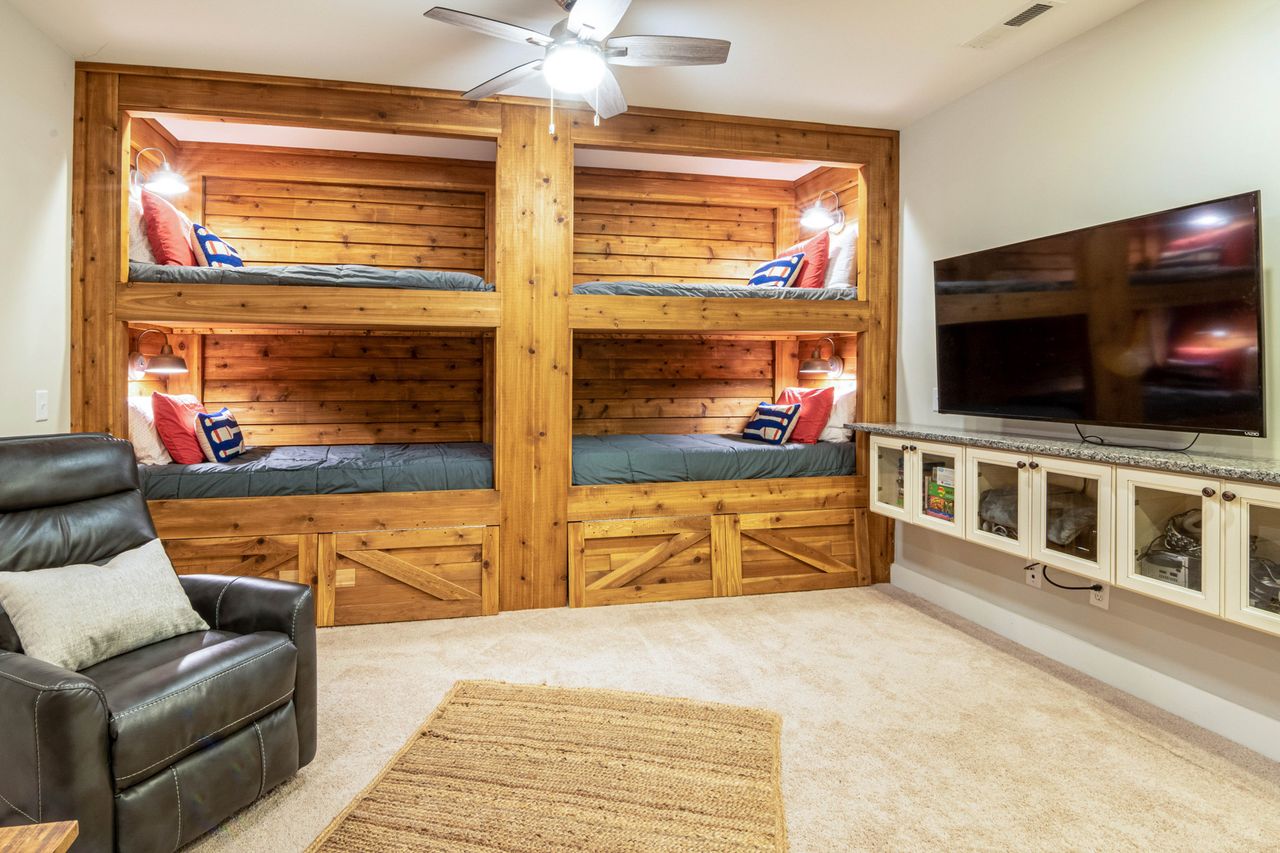
A few years back, I lived in a 650-square-foot apartment with my partner and two kids. Space was tighter than a rush-hour subway. Traditional bunk beds ate up the floor, and a standard Murphy bed only solved half the problem. Then I discovered Murphy bunk beds—the hybrid that folds both the upper and lower bunks vertically or horizontally into the wall. It changed everything. The kids’ room went from cramped chaos to a versatile play space by day and a proper sleep zone by night. I’ve since helped friends install similar systems in guest rooms, home offices, and tiny homes. This guide draws from real installs, multiple brands tested, and plenty of trial-and-error.
If you’re short on square footage but need real sleeping capacity, Murphy bunk beds deliver like nothing else. Let’s dive in.
What Are Murphy Bunk Beds, Exactly?
A Murphy bunk bed combines the vertical-folding mechanics of a classic Murphy (wall) bed with stacked bunk functionality. Most designs feature a lower bed that pulls down like a standard Murphy, while the upper bunk either folds with it or operates semi-independently via gas struts or counterbalanced systems. When closed, the unit looks like built-in cabinetry or a stylish wall unit with shelves, desks, or storage.
They’re ideal for studio apartments, multi-generational homes, vacation rentals, or any room that needs to multitask.
Planning Your Murphy Bunk Bed Project
Start with ruthless measurement. Ceiling height is critical—most need at least 8–9 feet. Wall strength matters too; you’ll anchor into studs. Consider mattress thickness (usually 8–12 inches max) and clearance for folding.
I always sketch the room on graph paper and use painter’s tape on the floor to mock up the footprint. Factor in who will use it: kids, adults, guests?
Key Decisions:
- Vertical vs. horizontal orientation
- Queen/full/twin sizes
- Wood type (solid, plywood, engineered)
- Mechanism: gas struts, springs, or piston systems
Types and Styles
Vertical Murphy Bunk: Beds fold up tall against the wall. Great for narrow rooms.
Horizontal (Side-Folding): Less ceiling height required, but wider wall space needed.
Cabinet-Style with Desks/Shelves: Transforms into a workspace when closed.
Modular Stack Systems: Like the Urban Stack or custom builds that combine elements.
From my experience, vertical queen-over-queen units offer the best adult comfort in small footprints.
Step-by-Step Installation Guide
Step 1: Prep the Space
Clear the room. Locate and mark studs with a good finder. Remove baseboards if needed.
Step 2: Assemble the Cabinet
Most kits come in heavy boxes. Follow instructions meticulously. I learned to lay out all parts first.
Step 3: Mount the Frame
Secure the cabinet to the wall at multiple points. Use lag bolts into studs.
Step 4: Install Mechanisms
Attach gas struts or pistons. Calibration is everything—too tight and it’s hard to pull down; too loose and it drops dangerously.
Step 5: Add Mattress Platforms and Safety Rails
Install guards on upper bunks. Add anti-slip mats.
Step 6: Test Repeatedly
Open and close 20–30 times. Adjust as needed.
My first solo install took a full weekend. With a helper, it’s one long day. Professional installation runs $250–$1,200 depending on complexity.
(Visual: Before/after photo description – Cramped room with traditional bunks vs. sleek wall unit open as bunk beds and closed as elegant storage.)
Safety First
Safety is non-negotiable. Look for models with strong locking mechanisms, sturdy ladders, and guardrails that meet or exceed ASTM standards. For kids, recommend age 6+ for lower, 12+ for upper, depending on the system.
I always add soft-close hardware and test weight limits (often 250–500 lbs per bunk).
Top Models and Honest Reviews (2026)
Bestar Pur Series: Excellent build quality, smooth mechanism, integrated storage. A bit pricey but worth it for daily use. Verdict: Top overall for reliability.
Lori Bed Systems: Innovative and highly customizable. Smooth operation and modern aesthetics. Great for adults.
Budget Options (Latitude Run / Wayfair): Solid for occasional use but mechanisms wear faster. Good starter choice under $2,000.
Custom or DIY Kits: Hardware kits (~$200–$500) plus lumber let you build exactly to your specs. Most rewarding but requires woodworking skills.
I’ve lived with a Bestar-style system for two years—no sagging, still glides perfectly.
Tool Comparisons and Pro Tips
Stud Finder: Franklin Sensors multi-stud model vs. cheap magnetic. The good one prevents disasters. Verdict: Invest here.
Impact Driver/Drill: DeWalt 20V for power and battery life. Ryobi for lighter budgets. You’ll need it for heavy lag screws.
Level and Laser: Bosch self-leveling laser for perfect cabinet alignment. Essential.
Gas Strut Tools: Specialized adjustment wrenches make calibration easier.
Circular Saw/Table Saw: For custom builds. Rent if one-time.
Honest verdict: Don’t skimp on measuring tools or anchors. A $30 laser level saved me hours of frustration.
(Infographic description: Tool comparison table with photos, ratings, and my real-world notes.)
Costs, Budgeting, and ROI
- DIY Kit + Materials: $1,500–$4,000
- Ready-to-Assemble: $2,500–$8,000
- Custom Professional: $6,000–$15,000+
Installation labor: $229–$588 basic, more for complex.
ROI shines in rentals (higher nightly rates) or homes where it frees up space for other uses. One friend added it to a home office and increased usable space by 40%.
Creative Applications
- Guest room that doubles as office
- Kid’s room with play area
- Studio apartment “bedroom”
- RV or tiny home adaptations
- Vacation rental income booster
I’ve seen them used with integrated sofas, bookshelves, and even Murphy bunk + desk combos.
Maintenance and Longevity
Dust struts annually, check bolts, and avoid overloading. Quality units last 10–20+ years with care.
Common Mistakes
- Ignoring wall structure
- Wrong mattress thickness
- Poor mechanism calibration
- Skipping safety rails
- Underestimating assembly time
Future Trends
In 2026+, expect smarter integration: motorized lifts, app controls, sustainable materials, and hybrid designs with charging ports and LED lighting built-in.
FAQs
Are they comfortable for adults?
Yes—especially queen sizes with good mattresses.
How much space do they save?
Up to 50–70 sq ft when closed.
Can I install one myself?
With intermediate skills and a helper, yes.
Weight limits?
Varies—check specs, typically robust.
Better than regular bunks?
For multifunctional rooms, absolutely.
Conclusion
Murphy bunk beds aren’t just furniture—they’re a lifestyle upgrade for tight spaces. From my cramped apartment days to helping others reclaim rooms, the transformation is always rewarding. Choose quality, prioritize safety, and design for your real life. The extra effort pays off every single night—and every single day when the beds disappear.
Author Bio
Alex Rivera is a hands-on home optimization enthusiast and independent researcher with extensive experience in small-space living solutions. Having navigated tiny apartments, family homes, and multiple DIY renovations, Alex specializes in practical, high-impact furniture systems like Murphy beds. Their guides combine real-world testing, tool evaluations, and honest insights to help homeowners maximize every square foot intelligently and affordably.