




I’ve spent more than a decade buying, restoring, and living with oak furniture everything from a battered 1930s dresser I dragged out of a garage sale to a custom white-oak dining table that still anchors my kitchen today. Oak has a way of becoming part of the household rather than just filling space. It darkens, gains character, and somehow makes a room feel more settled. This guide pulls from that hands-on experience, plus conversations with makers and finishers, so you can choose pieces that actually last and keep them looking right without turning care into a chore.
Table of Contents
- Understanding Oak: Red vs. White and Why It Matters
- Popular Styles of Oak Household Furniture
- The Real Benefits of Choosing Oak
- Practical Care Tips That Actually Work
- Honest Comparison of Care Products
- Common Mistakes and How to Avoid Them
- Real-World Examples from My Own Home
- Future Trends in Oak Furniture
- Frequently Asked Questions
- Final Thoughts
- About the Author
Understanding Oak: Red vs. White and Why It Matters
Not all oak is the same. The two most common species used for household furniture are red oak and white oak, and the differences show up in both looks and performance.
Red oak has a more open grain and warmer pinkish undertones. It’s widely available and usually less expensive, which is why you see it in a lot of mid-range dining sets and bedroom pieces. The open pores mean it can take stain unevenly if the finish isn’t done carefully, and it’s a bit more absorbent.
White oak is denser, with tighter, closed pores. That structure makes it more resistant to moisture and slightly harder. The color leans more toward golden or grayish tones depending on the finish, and the ray flecks (those shimmering patterns across the grain) are often more pronounced when the wood is quartersawn. White oak costs more and can be tougher on tools during manufacture, but for pieces that see heavy use—dining tables, desks, or anything near a kitchen sink—it holds up better over decades.
I’ve owned both. My first solid oak coffee table was red oak; after fifteen years of kids, pets, and the occasional wine spill, it still looks solid but shows more water marks than my white-oak pieces. For most indoor furniture either works well. Choose white oak if moisture resistance or a more refined grain pattern is a priority; go red oak if budget and warmer color matter more. Always ask the seller or maker whether the wood is kiln-dried. Properly dried stock shrinks and expands less with seasonal humidity changes.
You can read a clear side-by-side technical comparison at Fine Woodworking’s overview of the two species: Red Oak vs. White Oak.
Popular Styles of Oak Household Furniture
Oak adapts to almost every major interior style, which is one reason it never fully disappears from furniture floors.
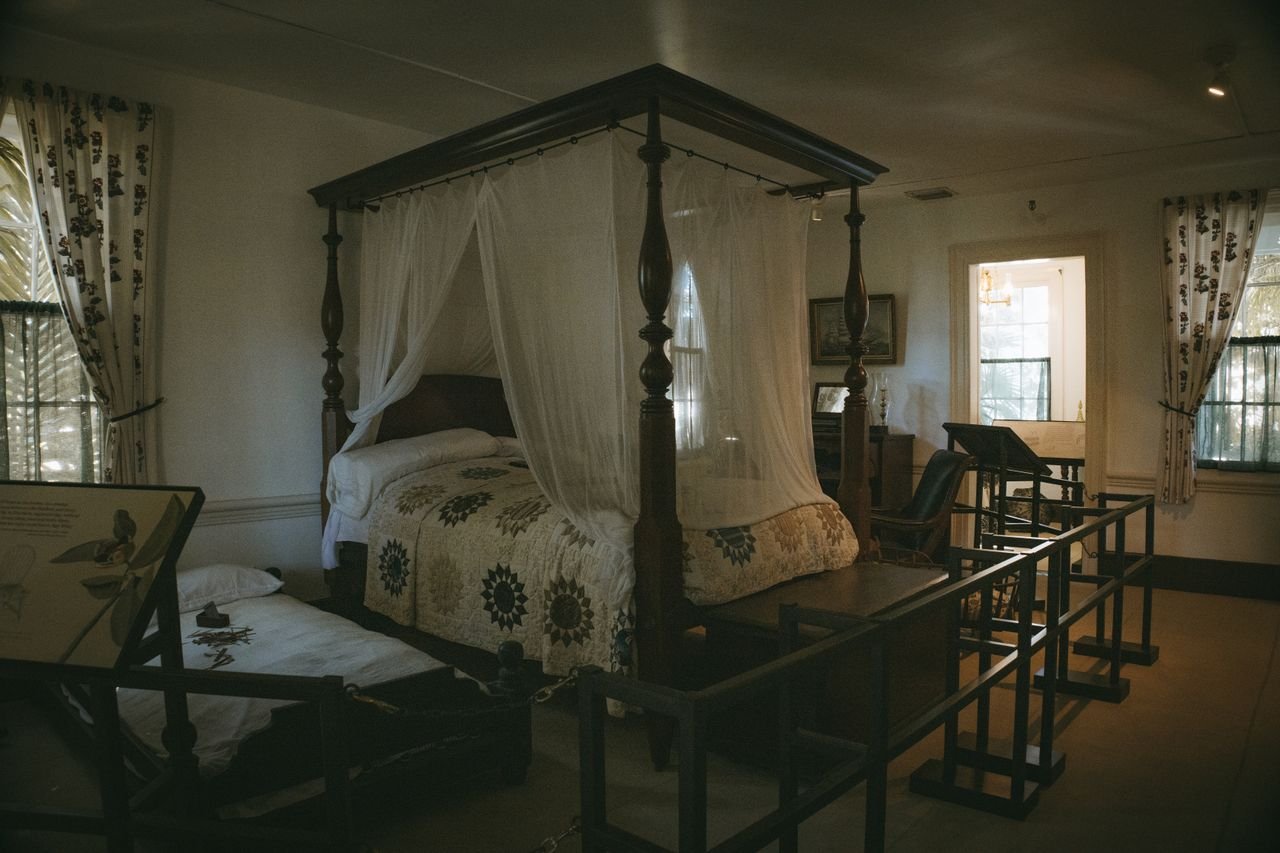
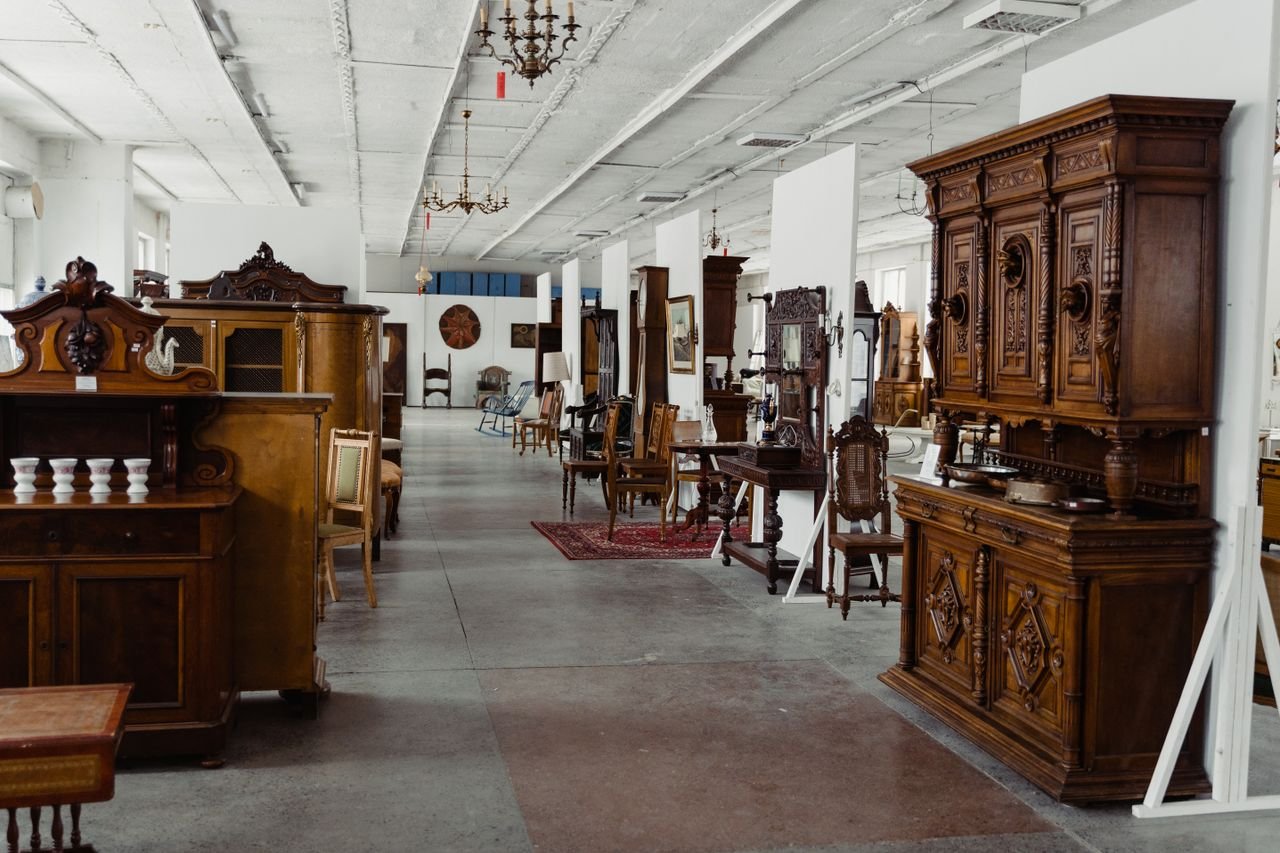
Traditional and formal oak often features heavier proportions, turned legs, and darker stains. Think solid pedestal dining tables or tall four-poster beds with carved details. These pieces feel grounded and substantial. They work especially well in rooms with higher ceilings or traditional architecture.
Farmhouse and modern-farmhouse oak leans lighter and more textured. Expect distressed finishes, simpler lines, and sometimes mixed materials such as metal hardware. A trestle-style oak table or a shaker-inspired dresser fits this look. The grain itself becomes part of the decoration rather than something to hide under heavy stain.
Mid-century modern interpretations of oak keep the wood light and the forms clean—tapered legs, floating surfaces, minimal ornament. Designers in the 1950s and 1960s used oak less frequently than teak or walnut, but contemporary makers have brought it back with oil finishes that let the grain show clearly. These pieces pair easily with other woods and with metal or leather.
Contemporary and minimalist oak often appears in lighter natural or whitewashed finishes. Flat-panel cabinets, slab tables, and simple storage pieces emphasize the wood’s color and figure without distraction. Quartersawn white oak is especially popular here because the ray fleck creates subtle visual interest without busy patterning.
I’ve mixed styles in the same house without regret. A mid-century oak sideboard sits under a more traditional oil painting in my living room; the contrast feels intentional rather than mismatched because both pieces share the same honest material. When shopping, look at the joinery. Mortise-and-tenon or dovetail construction usually signals better longevity than simple butt joints or heavy reliance on screws and glue blocks.
The Real Benefits of Choosing Oak
Oak’s reputation for strength is deserved. It ranks high on the Janka hardness scale among commonly available domestic hardwoods, so it resists dents better than pine, poplar, or many softwoods. That density also gives it a satisfying weight—furniture that doesn’t feel hollow when you move it.
The wood is naturally resistant to insects and decay thanks to its tannin content. While no wood is completely immune, oak holds up better in everyday household conditions than many alternatives. With reasonable care it can easily last multiple generations. I’ve restored pieces that were already fifty or sixty years old and put them back into daily use.
Visually, oak develops a richer patina over time. Daylight and oxidation darken the surface gradually, which many people prefer to the “new” look. The grain itself provides texture and movement that painted or laminated surfaces cannot match. In rooms that change with the seasons or with family life, that living quality keeps the furniture from feeling static.
From a practical standpoint, solid oak is repairable. Scratches can be sanded and refinished. A damaged leg can often be replaced by a competent woodworker. That repairability is harder to find with particleboard or heavily veneered pieces.
Cost is the main trade-off. Solid oak commands a higher price than engineered woods or softwoods. Yet when you calculate cost-per-year of use, well-made oak frequently comes out ahead. A solid dining table that lasts forty years costs less annually than replacing a cheaper table every eight to ten years.
Practical Care Tips That Actually Work
Oak is forgiving, but it still responds best to consistent, gentle habits rather than occasional deep interventions.
Dust regularly with a soft, dry microfiber cloth or a slightly damp one if needed. Dust acts like fine sandpaper over time. Keep pieces out of direct, prolonged sunlight if you want to slow color change; curtains or UV-filtering film help. Maintain indoor humidity between roughly 40 and 55 percent. Extreme swings cause the wood to expand and contract, which can open joints or create hairline cracks.
For routine cleaning, a barely damp cloth followed by a dry one is usually enough. Avoid soaking the surface. Spills should be wiped promptly—especially water, alcohol, or acidic liquids. Use coasters, placemats, and felt pads under lamps and decorative objects.
Every few months, or when the wood starts to look dry, apply a suitable conditioner or polish. The goal is to nourish the wood and refresh the protective surface without building up a sticky film. Once or twice a year a more thorough waxing can add an extra layer of protection, especially on tabletops.
If a piece has an oil finish, re-oil when the surface loses its subtle sheen. Wipe on a thin coat of pure tung oil or a quality Danish oil, let it penetrate, then wipe off the excess thoroughly. For waxed or varnished surfaces, stick to products designed for those finishes.
Position furniture with a little breathing room from exterior walls and away from heating vents or radiators. That simple spacing reduces uneven drying.
Honest Comparison of Care Products
I’ve tested a range of products on both red and white oak over the years. Here’s a straightforward comparison of three commonly recommended options based on actual use rather than marketing claims.
Howard Feed-N-Wax
This beeswax-and-orange-oil blend is widely available and easy to apply. It feeds dry wood and leaves a soft sheen without looking glossy. On my older red-oak pieces it revived the color nicely and reduced the dusty feel. The orange scent is strong at first but fades. It does not build a hard protective layer the way paste wax does, so high-wear surfaces still need careful use of coasters. Verdict: excellent for regular maintenance on oiled or lightly finished oak; less ideal as the sole protection for a dining table that sees daily use.
Minwax Paste Wax
A traditional carnauba-based paste that creates a harder, more durable surface. Application takes more effort—thin coats, thorough buffing—but the result feels more substantial and resists fingerprints better. I use it on tabletops and the tops of dressers. It can look slightly cloudy if over-applied or if the surface isn’t clean first. Verdict: best for pieces that need extra surface protection; overkill for secondary furniture that only needs occasional refreshing.
Daddy Van’s or similar pure beeswax polishes
These tend to be simpler formulations with fewer solvents. They enhance the natural color of oak without the stronger citrus note of Howard’s product. Coverage is efficient, and the finish feels soft and natural. Some versions come in different scents or unscented. Long-term, pure beeswax alone offers less water resistance than a product that includes harder waxes. Verdict: good choice for people who prefer minimal ingredients and a more matte look; pair it with careful daily habits.
None of these products is magic. The best results come from matching the product to the existing finish and using it sparingly. Avoid silicone-heavy sprays on antique or high-quality pieces; they can create a hazy buildup that becomes difficult to remove later. For more on traditional approaches, the care guidelines from historic-site conservators emphasize minimal intervention and silicone-free pastes: Caring for Your Furniture – NC Historic Sites.
Common Mistakes and How to Avoid Them
Over-cleaning is one of the most frequent problems I see. People scrub oak with strong detergents or multi-surface cleaners that strip natural oils and leave the grain raised and dull. Stick to mild methods.
Another mistake is ignoring seasonal movement. In dry winter air, drawers can stick or panels can develop small gaps. A humidifier and consistent indoor climate prevent most of those issues.
Using the wrong finish on top of an existing one creates problems. Don’t put water-based polyurethane over an oil finish without proper preparation, and don’t assume every “wood polish” is suitable for every surface. When in doubt, test in an inconspicuous spot.
Finally, many people wait until the furniture looks tired before doing anything. Small, regular attention keeps pieces looking good with far less effort than a major restoration later.
Real-World Examples from My Own Home
My white-oak dining table has survived ten years of family meals, homework sessions, and the occasional craft project. I oil it twice a year and keep coasters handy. The surface has developed a soft, even patina rather than looking worn. Scratches from a careless knife years ago were sanded lightly and re-oiled; they are now almost invisible.
A red-oak dresser from the 1970s needed more intervention. The original finish had cracked in places. After cleaning, a light sanding, and two coats of a penetrating oil followed by paste wax, it returned to daily service and looks better than it did when I brought it home. The open grain of the red oak took the oil especially well.
These experiences reinforce a simple truth: oak rewards modest, consistent care far more than dramatic overhauls.
Future Trends in Oak Furniture
Sustainability is no longer optional in 2026. Buyers increasingly ask about sourcing—whether the oak is from certified forests, reclaimed stock, or local urban timber. Makers are responding with greater transparency and by using a wider range of domestic species, including red oak that was previously under-utilized in higher-end work.
Finishes are moving toward low-VOC and plant-based oils that let the wood breathe while still offering protection. Customization remains strong; more people want pieces sized for smaller homes or specific needs rather than standard catalog dimensions. Modular and multi-functional designs that still use solid oak are appearing more often.
The overall direction favors longevity and honesty of material over trend-driven novelty. Oak fits that preference naturally.
Frequently Asked Questions
Does oak furniture darken over time?
Yes. Both red and white oak deepen in color with exposure to light and air. Many people consider this a positive change.
Can I put oak furniture in a bathroom or near a kitchen sink?
White oak handles occasional moisture better than red oak, but neither is ideal for constant high humidity or direct water contact without a durable finish and careful habits.
How often should I refinish oak furniture?
Most solid pieces only need full refinishing every 15–25 years if maintained properly. Spot repairs and surface refreshing are usually enough in between.
Is oak better than walnut or maple?
It depends on the use. Oak is harder and more affordable than most walnut; maple has a tighter grain and different color. Choose based on the look and performance you need.
What about engineered oak or oak veneer?
Quality veneer over a stable core can look good and cost less, but solid oak remains more repairable and develops a deeper character over decades.
Final Thoughts
Oak furniture succeeds because it balances strength, beauty, and the capacity to age gracefully. The right piece becomes quieter and more confident in a room the longer it stays there. Choose the species and style that suit your space and habits, then treat the wood with the same straightforward respect you would give any well-made tool. The reward is furniture that still feels solid and welcoming long after trends have moved on.
I’ve never regretted investing in good oak. The pieces that have stayed with me longest are the ones that received ordinary, regular attention rather than occasional grand gestures. That practical relationship with the material is what makes oak household furniture worth having.
About the Author
Marcus Hale is an independent furniture researcher and restorer based in the Pacific Northwest. For over twelve years he has documented traditional woodworking practices, tested finishes on period and contemporary pieces, and advised homeowners on selecting and maintaining solid-wood furniture. His work focuses on practical longevity rather than short-term style, drawing from both workshop experience and direct observation of how materials perform in everyday homes.