



I’ve lost plants to winter. More than I care to admit in my early years of gardening in a zone 4 climate with brutal wind, late springs, and the occasional polar vortex that drops temperatures well below what the catalog promised. Those losses taught me more than any book. The plants that survive and thrive are the ones that match the reality of your site, not the glossy photo on the tag.
Cold-climate gardening is not about forcing tender favorites to live through impossible conditions. It is about choosing plants that treat deep freezes, heavy snow, and short growing seasons as normal. When you get the selection right, the garden looks intentional even in January, and spring arrives with reliable color instead of empty holes.
This guide focuses on plants proven in USDA zones 3 through 5, with notes on microclimates and protection that can push boundaries a little further. I draw from years of trial in northern gardens, conversations with other growers, and the hard data of the 2023 USDA Plant Hardiness Zone Map.
Table of Contents
- Understanding Hardiness Beyond the Zone Number
- Perennials That Return Year After Year
- Shrubs for Structure and Winter Interest
- Trees That Anchor Cold-Climate Landscapes
- Evergreens for Year-Round Backbone
- Native Plants Worth Prioritizing
- Practical Strategies for Winter Survival
- Common Pitfalls and Honest Lessons
- Looking Ahead: Climate Shifts and New Possibilities
- Frequently Asked Questions
- Closing Thoughts
- About the Author
Understanding Hardiness Beyond the Zone Number
The USDA map is the starting point, not the finish line. The 2023 update refined zones using more recent temperature data and higher resolution, so many gardeners discovered their zone had shifted slightly warmer. Still, average minimum temperatures tell only part of the story.
Wind exposure, snow cover, soil drainage, and proximity to buildings create microclimates. A south-facing wall can protect plants that would struggle in an open field. Heavy snow often insulates better than any mulch, while bare, windy sites kill plants that are otherwise hardy. I once watched a supposedly zone-5 hydrangea thrive against a house foundation while the same variety failed twenty feet away in an exposed bed.
Always check the lowest temperature your specific site has recorded in recent winters, then choose plants rated at least one zone colder if your garden is windy or poorly drained.
Perennials That Return Year After Year
Reliable perennials form the color backbone of cold gardens. They die back cleanly, rest under snow, and reappear when the soil warms.
Peonies remain unmatched for longevity. A well-sited herbaceous peony can outlive the gardener who planted it. Plant the eyes no more than two inches deep, give them full sun and good drainage, and resist the urge to over-fertilize. In my experience, the classic ‘Sarah Bernhardt’ and the more modern ‘Coral Charm’ both handle zone 3 winters without complaint once established.
Daylilies earn their keep through sheer toughness. Modern hybrids offer longer bloom and better rebloom, but even older varieties shrug off cold. Avoid the most tender southern introductions if you sit in zone 3 or 4.
Coneflowers (Echinacea) and black-eyed Susans provide mid-to-late summer color and feed pollinators. Native species and many hybrids are solidly hardy. I have seen ‘Magnus’ and ‘White Swan’ return after winters that killed less robust plants nearby.
Hostas dominate shade gardens for good reason. The thicker-leaved varieties such as ‘Frances Williams’ or ‘Sum and Substance’ resist slug damage better and handle cold without issue. In very cold sites, a light mulch after the ground freezes helps prevent crown heaving.
Sedums, especially upright types like ‘Autumn Joy’ and the more compact ‘Neon’, offer late-season structure and survive extreme cold. Russian sage (Perovskia) performs best in zone 4 and warmer; in colder spots it may die back harder and need cutting to the ground each spring.
Salvia ‘May Night’ and other hardy salvias deliver intense blue spikes and return reliably. Pair them with ornamental grasses such as Karl Foerster feather reed grass for movement that lasts into winter.
Hellebores, particularly the Lenten rose types bred for cold, bloom when almost nothing else does. Give them protection from winter wind and they reward you with flowers through late winter and early spring.
Honest verdict: Start with peonies, daylilies, hostas, and coneflowers if you want near-zero failure rates. Add specialty plants only after the backbone is established.
Shrubs for Structure and Winter Interest
Shrubs provide the bones of the garden when perennials sleep.
Lilacs remain classics for fragrance and hardiness. Common lilac (Syringa vulgaris) and many French hybrids thrive in zone 3. The newer compact types still need good air circulation to avoid powdery mildew, but cold is rarely the problem.
Panicle hydrangeas changed the game for northern gardeners. Unlike bigleaf types that bloom on old wood and often freeze back, panicle hydrangeas (Hydrangea paniculata) bloom on new wood. ‘Limelight’, ‘Little Lime’, ‘Quick Fire’, and ‘Pinky Winky’ are reliable in zone 3 and 4. Smooth hydrangeas such as ‘Annabelle’ and the Invincibelle series also perform well when cut back hard each spring. I stopped planting mophead bigleaf hydrangeas years ago in exposed sites; the disappointment was too consistent.
Red-osier dogwood and yellow-twig dogwood deliver vivid winter stems. Cut them back every few years to keep the color intense. They tolerate wet feet better than most shrubs, which is useful in heavier northern soils.
Potentilla, spirea, and many viburnums offer summer flowers and decent fall color with minimal fuss. Rugosa roses stand out among roses for their ability to handle cold, salt, and neglect while producing hips that feed birds.
For evergreen structure, consider hardy junipers, certain arborvitae, and the toughest boxwoods only in protected microclimates. Many “hardy” boxwoods still suffer winter burn in open, windy locations.
Trees That Anchor Cold-Climate Landscapes
A few well-chosen trees transform a yard.
Colorado blue spruce and Norway spruce provide classic evergreen presence, though blue spruce can struggle with certain fungal issues in humid summers. White spruce and black hills spruce are often more adaptable in the colder zones.
Deciduous options include river birch (for moist sites), serviceberry (multi-season interest), crabapples selected for disease resistance, and bur oak or other native oaks for long-term presence. Paper birch looks beautiful but is shorter-lived and more prone to bronze birch borer in stressed conditions.
Amur maple offers reliable fall color in smaller spaces and handles cold well. Avoid planting trees that require long, warm summers if your season is short; they may never reach their potential.
Evergreens for Year-Round Backbone
Without evergreens, a northern garden can look barren from November through March. Junipers in various forms—groundcover, upright, and spreading—handle cold and wind better than many broadleaf evergreens. Certain yews work in sheltered spots. For larger scale, spruce and pine remain the most dependable.
Winter burn on evergreens is usually caused by late-winter sun and wind desiccating foliage while roots are still frozen. Anti-desiccant sprays help in extreme exposures, but proper siting and adequate water the previous fall matter more.
Native Plants Worth Prioritizing
Native species evolved with local winters. Prairie dropseed, little bluestem, and switchgrass provide movement and seed heads. Wild bergamot, Joe-Pye weed, and native asters support insects and return reliably. Serviceberry, elderberry, and native viburnums feed wildlife while requiring less intervention than many exotic ornamentals.
In my own garden, the natives have needed the least replacement after harsh winters.
Practical Strategies for Winter Survival
Site selection beats after-the-fact protection. Choose the right plant for the right place first. Then:
- Mulch after the ground freezes to prevent heaving, not before.
- Water thoroughly in fall before the ground locks up, especially evergreens.
- Use burlap screens or temporary fences on the windward side of vulnerable evergreens and broadleaf plants.
- Avoid late-summer nitrogen fertilizing that encourages soft growth.
- Leave seed heads and stems on many perennials for winter interest and wildlife; cut them back in early spring.
Snow is your friend when it arrives early and stays. In low-snow winters, extra mulch or row covers can help.
Common Pitfalls and Honest Lessons
Buying plants rated exactly for your zone and then placing them in the coldest microclimate is a frequent error. Over-mulching in fall before the soil freezes invites rodents. Planting too deep, especially peonies and grafted trees, causes slow decline. Expecting southern favorites to “toughen up” rarely works.
I once planted a borderline-hardy Japanese maple in a protected courtyard. It survived three winters, then a single extreme cold snap with no snow cover killed it. Lesson learned: push boundaries only with plants you are prepared to lose.
Looking Ahead: Climate Shifts and New Possibilities
The updated hardiness map reflects gradual warming in many regions, opening the door to plants once considered marginal. At the same time, more extreme weather events—sudden deep freezes after warm spells—create new stresses. Gardeners who rely solely on zone numbers without observing their own sites will still see losses.
Breeders continue releasing tougher hydrangeas, roses, and perennials. Watching local trial gardens and university extension reports remains more useful than marketing claims.
Frequently Asked Questions
How do I know my exact hardiness zone?
Use the official USDA Plant Hardiness Zone Map and enter your zip code. Then observe your own yard for colder or warmer pockets.
Can I grow hydrangeas in zone 3?
Yes—panicle and smooth types reliably. Bigleaf and oakleaf types are riskier without exceptional protection.
Should I cut everything back in fall?
No. Many perennials and grasses look better left standing, and the stems help trap insulating snow.
What is the single most important factor for winter survival?
Matching the plant to the site, followed by healthy root systems going into winter. Stressed plants die first.
Are there truly zero-maintenance winter-hardy plants?
Close. Mature peonies, daylilies, hostas, lilacs, and many natives come near that ideal once established in the right conditions.
Closing Thoughts
A cold-climate garden succeeds when it works with the winter instead of fighting it. The plants that return every spring without drama become the ones you value most. Start with proven performers, learn your microclimates, and expand slowly. Over time the garden develops a quiet confidence that looks good in every season, including the hardest ones.
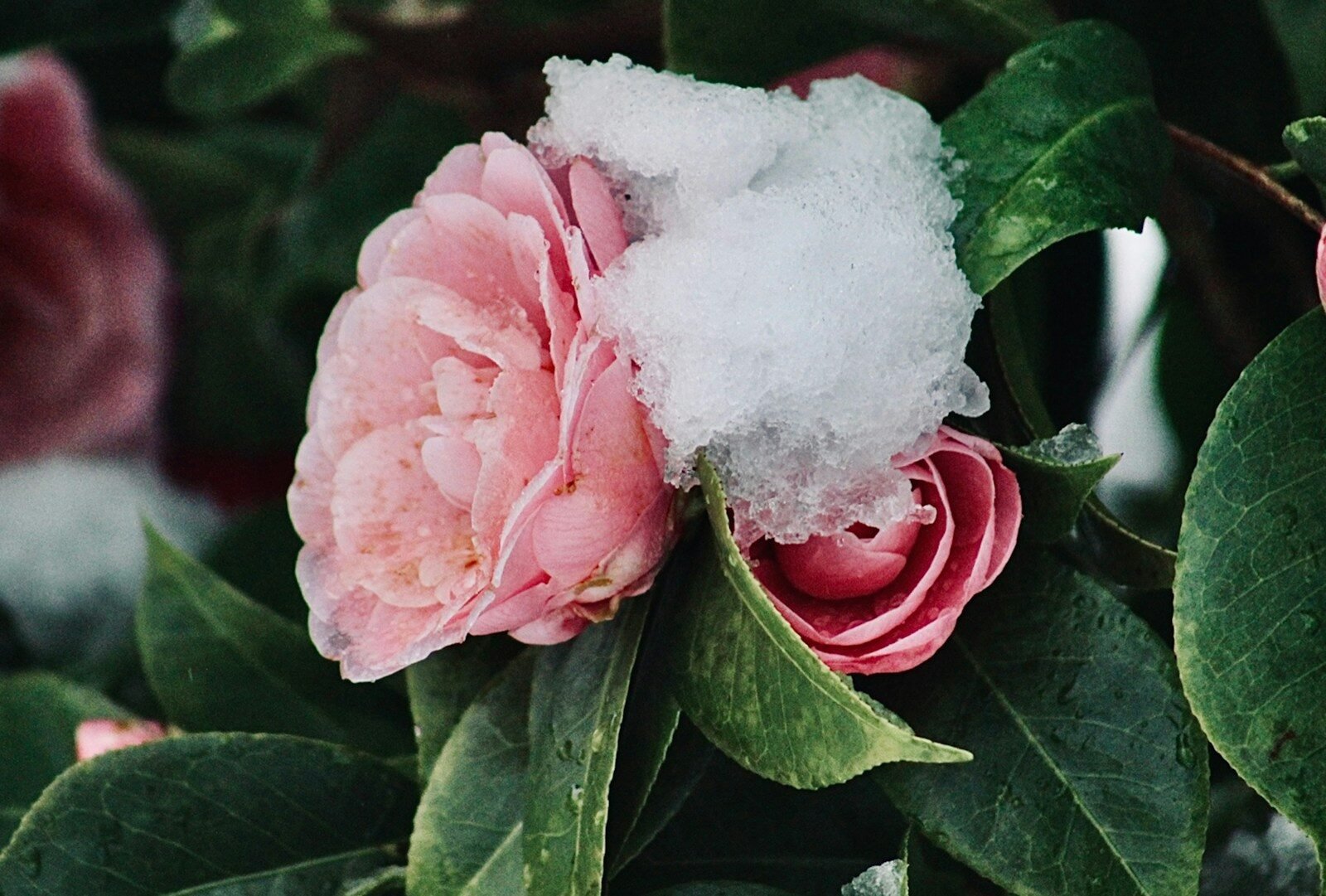
The first warm day in spring, when the peony shoots push through the mulch and the red-twig dogwood glows against melting snow, makes every careful choice worth it.
About the Author
Elena Voss has grown and tested plants in USDA zones 3 and 4 for more than twenty years, managing both home gardens and small public landscapes across the Upper Midwest. She focuses on long-term plant performance under real winter conditions rather than first-year display. Her writing draws from direct observation, collaboration with extension horticulturists, and ongoing trials of new introductions. When not in the garden she studies regional plant communities and climate adaptation strategies for northern landscapes.I’ve lost plants to winter. More than I care to admit in my early years of gardening in a zone 4 climate with brutal wind, late springs, and the occasional polar vortex that drops temperatures well below what the catalog promised. Those losses taught me more than any book. The plants that survive—and thrive—are the ones that match the reality of your site, not the glossy photo on the tag.
Cold-climate gardening is not about forcing tender favorites to live through impossible conditions. It is about choosing plants that treat deep freezes, heavy snow, and short growing seasons as normal. When you get the selection right, the garden looks intentional even in January, and spring arrives with reliable color instead of empty holes.
This guide focuses on plants proven in USDA zones 3 through 5, with notes on microclimates and protection that can push boundaries a little further. I draw from years of trial in northern gardens, conversations with other growers, and the hard data of the 2023 USDA Plant Hardiness Zone Map.
Table of Contents
- Understanding Hardiness Beyond the Zone Number
- Perennials That Return Year After Year
- Shrubs for Structure and Winter Interest
- Trees That Anchor Cold-Climate Landscapes
- Evergreens for Year-Round Backbone
- Native Plants Worth Prioritizing
- Practical Strategies for Winter Survival
- Common Pitfalls and Honest Lessons
- Looking Ahead: Climate Shifts and New Possibilities
- Frequently Asked Questions
- Closing Thoughts
- About the Author
Understanding Hardiness Beyond the Zone Number
The USDA map is the starting point, not the finish line. The 2023 update refined zones using more recent temperature data and higher resolution, so many gardeners discovered their zone had shifted slightly warmer. Still, average minimum temperatures tell only part of the story.
Wind exposure, snow cover, soil drainage, and proximity to buildings create microclimates. A south-facing wall can protect plants that would struggle in an open field. Heavy snow often insulates better than any mulch, while bare, windy sites kill plants that are otherwise hardy. I once watched a supposedly zone-5 hydrangea thrive against a house foundation while the same variety failed twenty feet away in an exposed bed.
Always check the lowest temperature your specific site has recorded in recent winters, then choose plants rated at least one zone colder if your garden is windy or poorly drained.
Perennials That Return Year After Year
Reliable perennials form the color backbone of cold gardens. They die back cleanly, rest under snow, and reappear when the soil warms.
Peonies remain unmatched for longevity. A well-sited herbaceous peony can outlive the gardener who planted it. Plant the eyes no more than two inches deep, give them full sun and good drainage, and resist the urge to over-fertilize. In my experience, the classic ‘Sarah Bernhardt’ and the more modern ‘Coral Charm’ both handle zone 3 winters without complaint once established.
Daylilies earn their keep through sheer toughness. Modern hybrids offer longer bloom and better rebloom, but even older varieties shrug off cold. Avoid the most tender southern introductions if you sit in zone 3 or 4.
Coneflowers (Echinacea) and black-eyed Susans provide mid-to-late summer color and feed pollinators. Native species and many hybrids are solidly hardy. I have seen ‘Magnus’ and ‘White Swan’ return after winters that killed less robust plants nearby.
Hostas dominate shade gardens for good reason. The thicker-leaved varieties such as ‘Frances Williams’ or ‘Sum and Substance’ resist slug damage better and handle cold without issue. In very cold sites, a light mulch after the ground freezes helps prevent crown heaving.
Sedums, especially upright types like ‘Autumn Joy’ and the more compact ‘Neon’, offer late-season structure and survive extreme cold. Russian sage (Perovskia) performs best in zone 4 and warmer; in colder spots it may die back harder and need cutting to the ground each spring.
Salvia ‘May Night’ and other hardy salvias deliver intense blue spikes and return reliably. Pair them with ornamental grasses such as Karl Foerster feather reed grass for movement that lasts into winter.
Hellebores, particularly the Lenten rose types bred for cold, bloom when almost nothing else does. Give them protection from winter wind and they reward you with flowers through late winter and early spring.
Honest verdict: Start with peonies, daylilies, hostas, and coneflowers if you want near-zero failure rates. Add specialty plants only after the backbone is established.
Shrubs for Structure and Winter Interest
Shrubs provide the bones of the garden when perennials sleep.
Lilacs remain classics for fragrance and hardiness. Common lilac (Syringa vulgaris) and many French hybrids thrive in zone 3. The newer compact types still need good air circulation to avoid powdery mildew, but cold is rarely the problem.
Panicle hydrangeas changed the game for northern gardeners. Unlike bigleaf types that bloom on old wood and often freeze back, panicle hydrangeas (Hydrangea paniculata) bloom on new wood. ‘Limelight’, ‘Little Lime’, ‘Quick Fire’, and ‘Pinky Winky’ are reliable in zone 3 and 4. Smooth hydrangeas such as ‘Annabelle’ and the Invincibelle series also perform well when cut back hard each spring. I stopped planting mophead bigleaf hydrangeas years ago in exposed sites; the disappointment was too consistent.
Red-osier dogwood and yellow-twig dogwood deliver vivid winter stems. Cut them back every few years to keep the color intense. They tolerate wet feet better than most shrubs, which is useful in heavier northern soils.
Potentilla, spirea, and many viburnums offer summer flowers and decent fall color with minimal fuss. Rugosa roses stand out among roses for their ability to handle cold, salt, and neglect while producing hips that feed birds.
For evergreen structure, consider hardy junipers, certain arborvitae, and the toughest boxwoods only in protected microclimates. Many “hardy” boxwoods still suffer winter burn in open, windy locations.
Trees That Anchor Cold-Climate Landscapes
A few well-chosen trees transform a yard.
Colorado blue spruce and Norway spruce provide classic evergreen presence, though blue spruce can struggle with certain fungal issues in humid summers. White spruce and black hills spruce are often more adaptable in the colder zones.
Deciduous options include river birch (for moist sites), serviceberry (multi-season interest), crabapples selected for disease resistance, and bur oak or other native oaks for long-term presence. Paper birch looks beautiful but is shorter-lived and more prone to bronze birch borer in stressed conditions.
Amur maple offers reliable fall color in smaller spaces and handles cold well. Avoid planting trees that require long, warm summers if your season is short; they may never reach their potential.
Evergreens for Year-Round Backbone
Without evergreens, a northern garden can look barren from November through March. Junipers in various forms—groundcover, upright, and spreading—handle cold and wind better than many broadleaf evergreens. Certain yews work in sheltered spots. For larger scale, spruce and pine remain the most dependable.
Winter burn on evergreens is usually caused by late-winter sun and wind desiccating foliage while roots are still frozen. Anti-desiccant sprays help in extreme exposures, but proper siting and adequate water the previous fall matter more.
Native Plants Worth Prioritizing
Native species evolved with local winters. Prairie dropseed, little bluestem, and switchgrass provide movement and seed heads. Wild bergamot, Joe-Pye weed, and native asters support insects and return reliably. Serviceberry, elderberry, and native viburnums feed wildlife while requiring less intervention than many exotic ornamentals.
In my own garden, the natives have needed the least replacement after harsh winters.
Practical Strategies for Winter Survival
Site selection beats after-the-fact protection. Choose the right plant for the right place first. Then:
- Mulch after the ground freezes to prevent heaving, not before.
- Water thoroughly in fall before the ground locks up, especially evergreens.
- Use burlap screens or temporary fences on the windward side of vulnerable evergreens and broadleaf plants.
- Avoid late-summer nitrogen fertilizing that encourages soft growth.
- Leave seed heads and stems on many perennials for winter interest and wildlife; cut them back in early spring.
Snow is your friend when it arrives early and stays. In low-snow winters, extra mulch or row covers can help.
Common Pitfalls and Honest Lessons
Buying plants rated exactly for your zone and then placing them in the coldest microclimate is a frequent error. Over-mulching in fall before the soil freezes invites rodents. Planting too deep, especially peonies and grafted trees, causes slow decline. Expecting southern favorites to “toughen up” rarely works.
I once planted a borderline-hardy Japanese maple in a protected courtyard. It survived three winters, then a single extreme cold snap with no snow cover killed it. Lesson learned: push boundaries only with plants you are prepared to lose.
Looking Ahead: Climate Shifts and New Possibilities
The updated hardiness map reflects gradual warming in many regions, opening the door to plants once considered marginal. At the same time, more extreme weather events—sudden deep freezes after warm spells—create new stresses. Gardeners who rely solely on zone numbers without observing their own sites will still see losses.
Breeders continue releasing tougher hydrangeas, roses, and perennials. Watching local trial gardens and university extension reports remains more useful than marketing claims.
Frequently Asked Questions
How do I know my exact hardiness zone?
Use the official USDA Plant Hardiness Zone Map and enter your zip code. Then observe your own yard for colder or warmer pockets.
Can I grow hydrangeas in zone 3?
Yes—panicle and smooth types reliably. Bigleaf and oakleaf types are riskier without exceptional protection.
Should I cut everything back in fall?
No. Many perennials and grasses look better left standing, and the stems help trap insulating snow.
What is the single most important factor for winter survival?
Matching the plant to the site, followed by healthy root systems going into winter. Stressed plants die first.
Are there truly zero-maintenance winter-hardy plants?
Close. Mature peonies, daylilies, hostas, lilacs, and many natives come near that ideal once established in the right conditions.
Closing Thoughts
A cold-climate garden succeeds when it works with the winter instead of fighting it. The plants that return every spring without drama become the ones you value most. Start with proven performers, learn your microclimates, and expand slowly. Over time the garden develops a quiet confidence that looks good in every season, including the hardest ones.
The first warm day in spring, when the peony shoots push through the mulch and the red-twig dogwood glows against melting snow, makes every careful choice worth it.
About the Author
Elena Voss has grown and tested plants in USDA zones 3 and 4 for more than twenty years, managing both home gardens and small public landscapes across the Upper Midwest. She focuses on long-term plant performance under real winter conditions rather than first-year display. Her writing draws from direct observation, collaboration with extension horticulturists, and ongoing trials of new introductions. When not in the garden she studies regional plant communities and climate adaptation strategies for northern landscapes.