

I’ve planted and maintained more ornamental and fruiting pears than I can easily count across the northern Plains and upper Midwest. When clients ask for a tough, upright tree with reliable spring bloom, clean summer foliage, and solid cold hardiness, the Navigator pear (Pyrus ‘Jefnag’) often makes the short list. It was selected for prairie conditions, and that shows in how it handles wind, cold, and variable soils better than many of the more delicate European pears.
This is not a heavy-bearing dessert pear like Bartlett or a classic Asian variety. Navigator is first and foremost a landscape tree that happens to produce modest amounts of small fruit in some years. Understanding that distinction keeps expectations realistic and helps you give the tree what it actually needs.
Table of Contents
- What Makes the Navigator Pear Distinct
- Climate, Hardiness, and Site Selection
- Planting for Strong Establishment
- Watering, Fertilizing, and Soil Preferences
- Pruning for Structure and Health
- Pests, Diseases, and Fire Blight Management
- Fruit Production and Harvest Notes
- Seasonal Care Calendar
- Common Mistakes I’ve Seen (and How to Avoid Them)
- Long-Term Performance and Landscape Uses
- Frequently Asked Questions
- Final Thoughts
- About the Author
What Makes the Navigator Pear Distinct
Navigator grows with a naturally upright, somewhat narrow conical form—typically reaching 20–25 feet tall and 10–12 feet wide at maturity. The branching is relatively tight and symmetrical, which makes it useful as a street tree, vertical accent, or screening plant where space is limited.
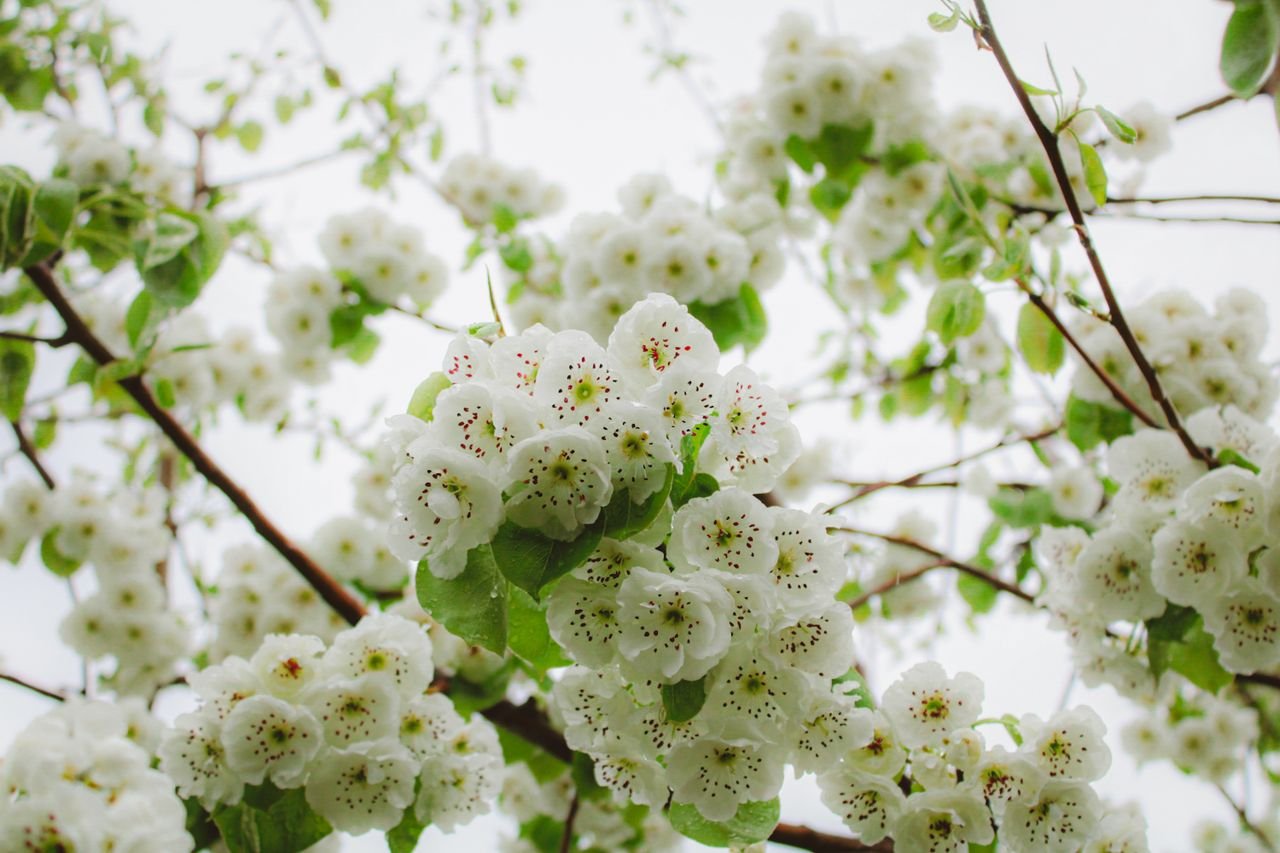
In spring it covers itself with white blossoms. Summer foliage is glossy green and holds up well in wind. Fall color is usually a respectable mix of yellows and oranges, though intensity varies with weather and soil. Winter silhouette is clean and architectural.
Fruit production is light and inconsistent. When fruit does appear it is small, firm, and more ornamental than culinary in most cases. Some years the tree sets almost nothing. That low fruit load is actually an advantage for many homeowners—it means less mess on sidewalks and lawns compared with heavier-bearing pears or crabapples.
Cold hardiness is one of its strongest points. Reliable nurseries list it for USDA Zone 3, which is noticeably tougher than many popular ornamental pears. It also shows better resistance to some common pear problems than the old Callery types that have fallen out of favor.
Climate, Hardiness, and Site Selection
Navigator performs best in Zones 3–6, with solid results into Zone 7 in cooler microclimates. Like most pears, it needs a certain number of winter chilling hours (roughly in the 600–800 hour range for many pears) to break dormancy cleanly and flower well. Extremely mild winters can reduce bloom and any potential fruit set.
Full sun is non-negotiable for good form, flowering, and foliage density. Aim for at least six to eight hours of direct light. Afternoon shade in very hot locations is tolerable but not ideal.
Soil should be well-drained. Pears dislike wet feet. I’ve seen Navigator handle clay better than many fruit trees once established, but standing water in spring or after heavy rains will stress the roots and invite problems. Slightly acidic to neutral pH (roughly 6.0–7.0) is preferred, though it adapts to a wider range than some species.
Wind is less of an issue than with more open-canopy pears because of the tighter branching, but young trees still benefit from staking in exposed sites for the first two seasons.
Planting for Strong Establishment
Plant in early spring or fall while the tree is dormant. Dig a hole two to three times wider than the root ball but no deeper. The root flare should sit at or slightly above finished grade. Backfill with the native soil—avoid creating a “bathtub” of amended soil that holds water differently from the surrounding ground.
Water thoroughly after planting and mulch with 2–3 inches of organic material, keeping it pulled back several inches from the trunk. Stake only if the site is windy; remove stakes after one or two growing seasons so the trunk can develop proper taper and strength.
Container-grown trees can be planted almost any time the ground is workable, but spring and fall still give the best results. Bare-root trees must go in while fully dormant.
Watering, Fertilizing, and Soil Preferences
The first two years are critical. Water deeply once or twice a week during dry spells so moisture reaches the full root zone. Once established, Navigator is moderately drought-tolerant, but consistent moisture during the growing season produces better foliage and any fruit that forms.
Fertilize sparingly. Excess nitrogen pushes soft, vigorous growth that is more susceptible to fire blight and winter injury. A light application of balanced fertilizer in early spring is usually enough if the tree is growing well. Soil testing every few years is smarter than routine heavy feeding.
Mulch helps conserve moisture and moderates soil temperature. Replenish it as needed, but never pile it against the trunk.
Pruning for Structure and Health
Prune Navigator primarily to maintain its natural upright form and remove problems. The best time is late winter while the tree is dormant. Remove crossing or rubbing branches, any dead or damaged wood, and the occasional vertical water sprout that appears inside the canopy.
Avoid heavy summer pruning, which can stimulate late growth that doesn’t harden off properly before winter. If you need to reduce size, do it gradually over a couple of seasons rather than making large cuts all at once.
Because the tree has a naturally good structure, it usually needs less corrective pruning than many fruiting pears. Focus on keeping the central leader strong in the early years and thinning just enough for light penetration and air flow.
Pests, Diseases, and Fire Blight Management
Fire blight is the disease most pear growers watch for. Navigator shows better resistance than many older ornamental pears, but no pear is immune. Symptoms include blackened, shepherd’s-crook branch tips and oozing cankers.
The most effective control is prompt removal of infected wood. Cut at least 8–12 inches below visible symptoms, sterilizing tools between cuts (a 10% bleach solution or 70% alcohol works). Do this during dry weather when possible. Avoid high-nitrogen fertilizer that encourages soft growth. Some growers apply copper or other bactericides at bloom in high-pressure years, but cultural practices and resistant varieties remain the foundation.
Other occasional issues include pear psylla, mites, and leaf spots. Healthy, properly sited trees handle most of these without intervention. Encourage beneficial insects and avoid broad-spectrum insecticides during bloom.
For more on fire blight management, extension resources such as those from the University of Missouri and Illinois Extension provide clear, practical guidance.
Fruit Production and Harvest Notes
Expect light crops at best. Fruit, when it appears, is typically small and firm. Harvest any usable fruit when it reaches full size and begins to change color slightly but is still hard—most European-type pears finish ripening off the tree. Because Navigator is not bred primarily for fruit quality or quantity, the harvest is a bonus rather than the main goal.
If you want reliable edible pears, plant a dedicated fruiting cultivar nearby (and a compatible pollinator). Navigator can serve as an ornamental companion in a mixed planting.
Seasonal Care Calendar
Late winter / early spring: Prune, apply light fertilizer if needed, check for overwintering cankers.
Bloom time: Monitor for fire blight symptoms; avoid spraying insecticides that harm pollinators.
Summer: Water during extended dry periods; watch for pests and new blight strikes.
Fall: Clean up fallen leaves and any fruit; refresh mulch.
Winter: Protect young trunks from rodent damage with guards if needed; enjoy the structure.
Common Mistakes I’ve Seen (and How to Avoid Them)
Planting too deep is the most frequent error. Buried root flares lead to decline years later. Over-fertilizing is a close second—lush growth looks impressive the first season and then becomes a disease magnet. Ignoring early fire blight strikes allows the bacteria to move into larger limbs. Finally, expecting heavy fruit crops leads to disappointment; choose Navigator for its form, hardiness, and flowers instead.
Long-Term Performance and Landscape Uses
In the right site, Navigator makes a durable, low-maintenance specimen or street tree. Its narrow form works well in tighter spaces where broader pears would outgrow the location. The combination of cold hardiness, relatively clean foliage, and modest fruit drop makes it practical for residential and municipal plantings in colder regions.
I’ve seen twenty-year-old specimens still holding good form with minimal intervention beyond occasional deadwood removal. That kind of reliability is valuable.
Frequently Asked Questions
Is Navigator a good fruiting pear?
No. It is primarily ornamental. Fruit is sparse and secondary to landscape performance.
Does it need a pollinator?
For the limited fruit it may set, cross-pollination helps, but many plantings produce little fruit even with nearby pears. Flower display does not depend on pollination.
How fast does it grow?
Moderate. Expect 1–2 feet of growth per year under good conditions once established.
Is it invasive like some Callery pears?
Navigator is a selected cultivar with different growth habits and far less aggressive seeding behavior than the problematic Callery types.
Can I grow it in a large container?
Possible for a few years while young, but it performs best in the ground where roots can develop fully.
Final Thoughts
Navigator pear earns its place when you want an upright, cold-hardy tree with spring flowers and manageable maintenance. It will not replace a dedicated orchard pear for fruit, but it solves a different set of landscape problems effectively. Give it full sun, decent drainage, restrained fertility, and prompt attention to any fire blight, and it will reward you with years of reliable structure and seasonal interest.
Choosing the right tree for the right purpose remains the most important decision. Navigator is one of the better ornamental options for northern gardens that still want the classic pear aesthetic without the heavier drawbacks of older varieties.
About the Author
Daniel Reeves is a horticulturist and independent landscape consultant with more than eighteen years of experience selecting, planting, and maintaining trees in cold-climate regions of the northern United States and southern Canada. He has worked extensively with ornamental and fruiting pears in both residential and municipal settings and focuses on practical, low-input approaches that produce healthy, long-lived trees.