

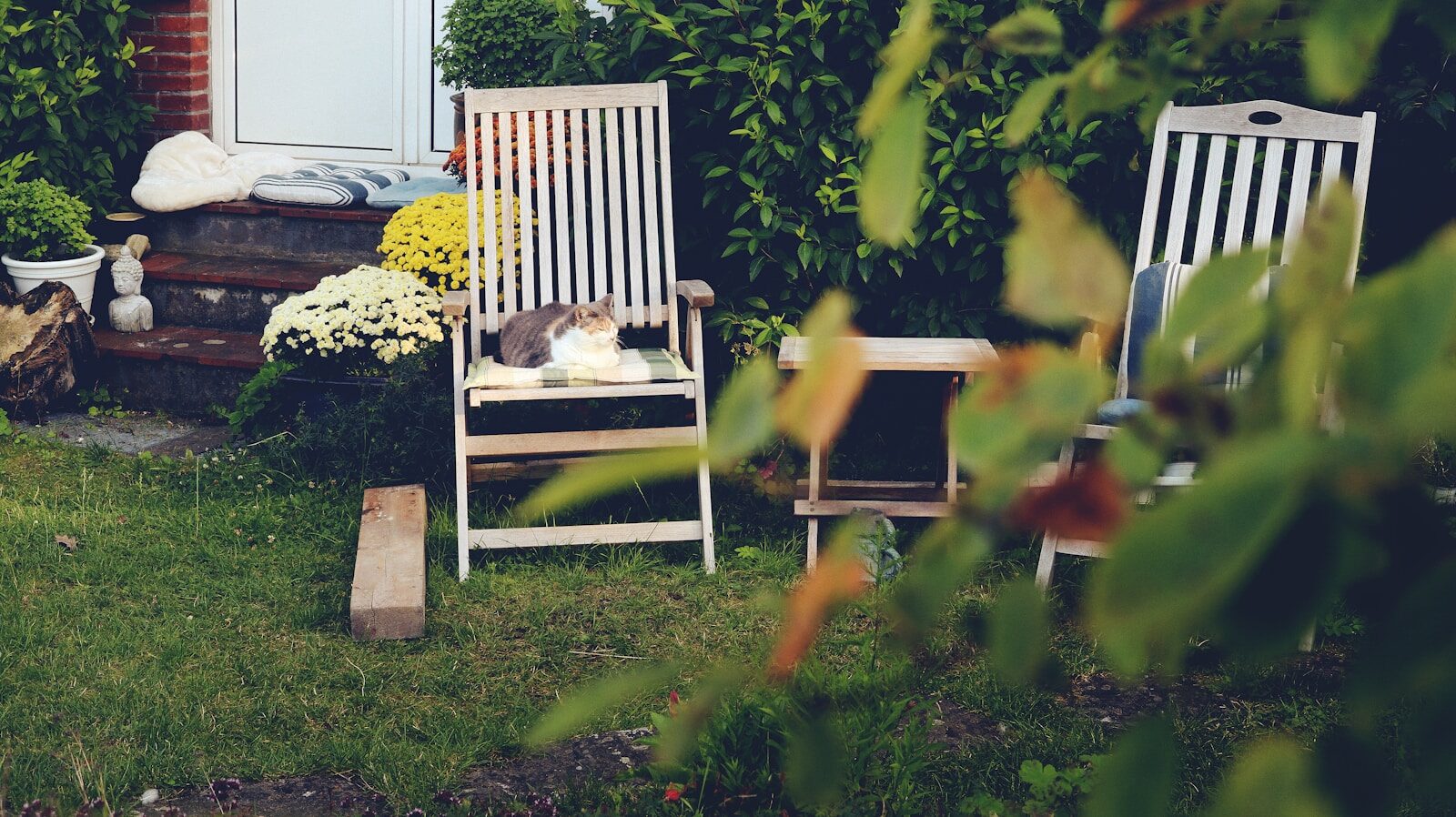
Some purchases alter how you live in your home quietly. One of them was a lounge chair. Before I had one on my patio the garden was a place I walked through, occasionally dined in and admired from the kitchen window. After it became somewhere I did actually spend time in. Sunday mornings, a book and coffee. Late afternoons with nothing to do. That sounds like a small shift, but it completely changed my relationship to outdoor space. The right reclining garden chairs does not only provide you with a place to sit. And it lets you stay outside longer, which is the whole point of having a garden in the first place.
But picking one isn’t as easy as it should be. It’s from cheap plastic sunbeds that disintegrate in August, to hand-woven teak recliner armchairs that age beautifully for decades. The difference between them – in quality, comfort and how they actually perform through real weather – is huge. This guide is to help you fill that gap honestly.
Why “Reclining” Matters More Than People Think
Most garden chairs are fixed in an upright position which is fine for dining but really uncomfortable for lounging for long periods of time. When the body is trying to chill it does not want to sit bolt upright for an hour. It wants to lie back, spine relaxed, legs just raised, neck supported.
Physiologically reclining garden chairs deal with this. “When you’re reclined back even 15 to 20 degrees, you’re relieving a lot of pressure on your lumbar spine. That’s not marketing hype, that’s basic biomechanics. That’s why you feel fatigued after sitting upright in a dining chair for two hours but can lounge in a recliner for double that without discomfort.
The best outdoor reclining chairs also have multiple positions. A three or five position recliner will allow you to change postures throughout the day to avoid the stiffness that occurs from holding any one position too long. Flat recline (full sunlounger position) good for sunbathing; mid recline good for reading; upright good for socialising. The ability to switch between these without getting up is worth better than most feature lists.
Top Types of Garden Reclining Chairs
Knowing the categories in advance is a huge time saver – especially when “reclining garden chair” can mean wildly different things.
Flat Loungers (Sun Loungers)
The classic poolside or lawn style. These recline from upright to fully flat, so they’re good for two things: a chair and a sunbed. Most have a back rest that slides up and down and locks into notched positions but the more expensive models use a stepless hinge mechanism that will hold any angle smoothly.
The sun lounger is the most popular choice for pool areas and gardens where the sun is the main feature. They are generally low and wide and more concerned with horizontal comfort than seated posture. If you sunbathe or read while lying down, this is the category for you. The downside is that they are not great for conversation – you end up talking to people’s knee caps.
Relaxing Armchairs
They look like normal lounge chairs but have a reclining mechanism, usually a lever or push-to-recline system, and are meant for sitting, not lying down. They’re more at home on patios and garden rooms where you want comfort without the lounge look.
There’s been a real renaissance in the design of outdoor furniture in the form of reclining armchairs in recent years. Designers have been transferring the look of indoor lounge chairs into weather-resistant materials, particularly during the 2024-2026 period. The result is outdoor furniture that looks as if it belongs inside a well-decorated living room, which is exactly what the current “indoor-outdoor living” trend demands.
Rocking and Recliner Chairs
The gentle rocking motion combined with the ability to recline is more effective for promoting relaxation than either feature alone. There is real science behind this rhythmic movement activates the vestibular system in a way that accelerates stress reduction. This is why people instinctively rock when they are anxious or tired.
Rocking recliners for outdoors are especially popular on porches and covered patios. Not as practical on uneven grass but great on decking, tile or concrete.
Zero Gravity Chairs
“Zero gravity” is a particular reclined position initially created by NASA in which the legs are elevated to a position approximately level with the heart. This position reduces the load on the cardiovascular system and removes compression on the spine. Zero gravity garden chairs have become a mainstream choice of outdoor furniture since around 2022, moving away from their niche wellness product status, and for good reason – people who try them tend to become instantly devoted.
They are also usually lighter and more portable than fixed reclining chairs and many fold flat for storage. The downside is that most zero gravity chairs are more utilitarian looking than sculptural lounge chairs or high-end teak recliners.
What Will Actually Last Outside: Materials
Here is where the most expensive mistakes are made. Beautiful chairs purchased with no knowledge of how their materials perform in real weather conditions will be rusted, cracked or faded within a single season.
Teakwood
It’s not for nothing that teak is considered the gold standard of outdoor furniture timber. Because it has a lot of oil, it is naturally resistant to water, rot and most insects and does not need any treatment. It weathers to a silver-grey patina which many people find more attractive than the original honey-gold colour. Grade A teak is the only grade worth buying, and will last for decades with little care.
The honest down side is the cost. In 2026, you’ll be looking at around £600-£800 for a quality teak reclining chair, and prices will shoot up from there. Unfortunately, the environmental credentials of teak are not all they are cracked up to be. Look for FSC certified timber, which means responsible forestry management.
Aluminium
Most people probably should buy powder coated aluminium, which is the sensible choice. It’s rust-free, lightweight (a real plus when you’re moving furniture around for a dinner party or storing it seasonally), and modern powder-coating keeps its finish for years without peeling or fading.
Aluminium frames are also compatible with a wide range of weave or sling materials, giving the design the versatility that has made it the dominant frame material in mid-range outdoor furniture. The criticism — that it feels cheap — applies to low-gauge badly finished versions. Good quality aluminium furniture (2mm wall thickness or above) is solid, quiet and totally weatherproof.
Artificial Rattan / All Weather Wicker
Real rattan is for indoor use. Synthetic rattan is an outdoor material that is a weave of polyethylene or polyvinyl chloride that looks like natural wicker. The difference is massive and is often not mentioned in product descriptions.
Good synthetic rattan is UV stabilised (the colour compounds are designed to resist fading from prolonged exposure to the sun), round-weave (flat weave tends to crack and peel at joints over time) and tightly-woven to avoid moisture retention. One of the most aesthetically pleasing mid-range options you can get in 2026 is a reclining armchair in quality synthetic rattan with an aluminium frame.
Stainless Steel
Lighter, cheaper and actually good looking in marine grade (316). In coastal environments the salt air would rust ordinary steel in a matter of months. Marine-grade stainless steel is used. It’s also the material of choice for very high-end modern garden furniture, the kind you see in architecture magazines next to infinity pools.
Stainless steel is overkill in weight and cost for most home gardens. It is suitable for exposed coastal properties or those truly looking for permanent outdoor furniture.
Polypropylene & High Grade Resin
The entry level materials, and not without reason. HDPE (high-density polyethylene) and quality polypropylene is UV-stabilised, completely weather resistant, requires no maintenance and weighs almost nothing. They don’t age well, but they don’t ask anything of you either. This category has no shame for a holiday home, a beach garden or your first outdoor furniture purchase.
Cushions: The Element That Decides if You Actually Use the Chair
Technically a good chair frame but the cushions are poor. A daily disappointment. The quality of outdoor cushions varies widely. After a single wet season, the difference between a Sunbrella-grade cushion and a cushion with a budget polyester fill is obvious.
What to look out for:
You need quick-drying foam, first and foremost. Regular furniture foam will absorb moisture after a rain and hold it for days, leaving you with mildew and a damp seat at all times. Reticulated (open-cell) foam or hollowfibre fill drains and dries in hours rather than days.
The cover fabric should be solution-dyed – in other words, the colour is distributed through the fibre, rather than just sitting on the surface. Solution-dyed acrylic (Sunbrella is the benchmark brand) is far more resistant to fading, mould and water absorption than printed or surface-dyed alternatives.
Zipped removable covers mean washing is not just theoretical but practical. Fixed covers that can’t be removed stay dirty. Covers that go through the washing machine, zipped up, stay actually clean.
Match Your Garden Style with Your Reclining Chair
Contemporary and Minimal Gardens
Neutral tones, clean lines and restraint of material. Matte white, anthracite or charcoal powder-coated aluminium frames with textilene or mesh slings are just right for this aesthetic. No intricate weave patterns or fussy details – the design should appear as if it required no effort, which in fact takes a lot of effort to pull off.
Courtyard and Mediterranean Gardens
Warm materials: terracotta, clay, stone, wrought iron, natural textures. Teak reclining chairs with loose cushions in earthy linen-look fabrics, or heavy cast aluminium chairs in a bronze or antique finish, suit this context naturally. Warm honey or brown shades of synthetic rattan work well here too if chosen carefully.
Gardens of the Country and Cottage
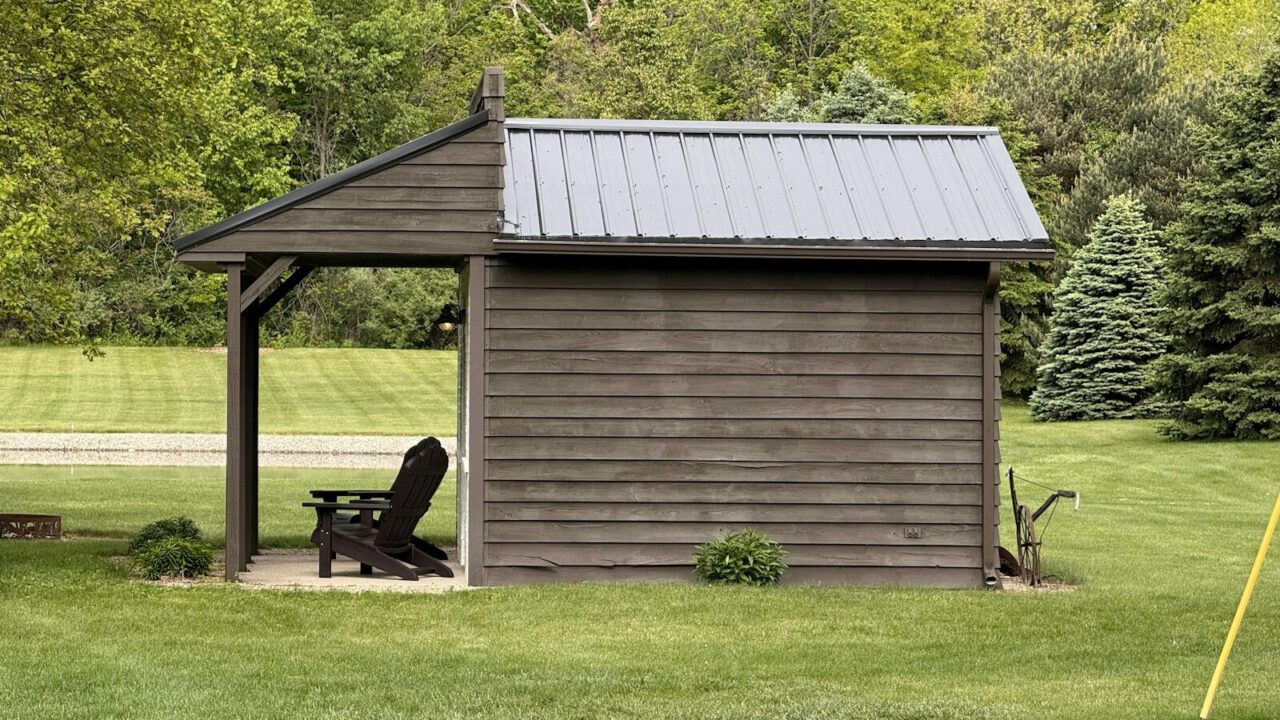
The lush, slightly ramshackle look of the cottage garden looks good with furniture that has warmth and character, not precision. Teak or hardwood recliners with a visible grain, cushions in botanical prints or faded heritage colours and a relaxed silhouette that doesn’t look designed within an inch of its life. Wooden Adirondack style reclining chairs are also perfect here. Their wide arms and gentle reclining feel just right in a garden surrounded by roses.
Modern Coast Gardens
Bleached tones, nautical geometry and material honesty. Silvered teak, natural or chalk white canvas slings, or high-grade resin furniture that echoes beach aesthetics without trying to be something else. This is one of the few cases where the utilitarian zero gravity chair fits right in.
What to Measure Before You Purchase
This seems obvious and yet this is the step that most people skip which leads to returns and frustration.
Chair footprint vs. reclined footprint: A chair that is 70cm wide by 100cm deep when upright may extend out to 160cm when fully reclined. That’s another two feet behind and in front of the chair. Many patios don’t have room for more than one chair. Always check the fully reclined measurements.
Seat height: The seat height of a standard garden chair is about 40-45cm. Zero gravity chairs are often lower (approximately 30-35cm when unfolded) and some people may have trouble getting in and out. If mobility is a concern, prioritise chairs with higher seat heights.
Weight capacity: This is listed by virtually all reputable manufacturers. Most good chairs can easily support 120-150 kg. Some of the oversize or reinforced models go higher. Don’t miss this number.
Trends To Watch In 2026
The indoor-outdoor look is still at the top. The best new garden recliners in 2026 are really just like indoor furniture that happens to be weatherproof. Deep-seated, fully upholstered, outdoor-grade fabric recliners are now readily available from brands that wouldn’t have carried them five years ago.”
Organic shapes have dominated the outdoor furniture space after dominating the interior furniture space. Curved chaise forms with asymmetric bases, cocoon-style hanging recliners and egg-shaped reclining chairs are making their way across design price points.
Sustainability is the norm. For conscious consumers, FSC-certified wood, recycled aluminium frames and OEKO-TEX certified cushion materials are no longer premium, but the norm. Brands that can’t demonstrate responsible sourcing are losing out to those that can.
Integrated tech: Subtle, but growing reclining chairs with built-in USB-C charging ports in the armrest, canopy attachments, even Bluetooth speaker integration in the headrest. A few of these are gimmicky, but the USB charging port feels truly useful.
Budget Guide: What You Can Realistically Expect
** Under £150 / $180 Basic polypropylene or aluminium tube frames with recline positions. Lightweight, functional, and not made to last. Suitable for occasional use or temporary installations.
£150-£400 / $180-$480: Now we’re getting into the quality chat. Good quality synthetic rattan over aluminium, decent cushions, multi-position recline. This is the range that offers most people real day to day comfort, without a premium budget.
£400–£900 / $480–$1,080: Good quality aluminium, teak, thick grade construction, better design, quality cushion fill These chairs last years, look good doing it and feel meaningfully different to sit in.
£900 and up / $1,080+: Designer and artisanal turf — brands like Kettal, Tribu, Gloster and the like They justify their price with better materials, longer warranties, actual design authorship, and construction that will stand up for ten-plus years without visible degradation.
Common Questions
Can you leave garden chairs outside all year?
It’s a matter of the material. In most climates, teak and marine-grade stainless steel can be left outside all winter with nothing more than a cover for protection. Aluminium powder-coat and good quality synthetic rattan are usually fine to leave outside if covered. Always store cushions indoors or in a weatherproof storage box during long periods of wet weather.
Are Zero Gravity Chairs Worthwhile?
Yes, absolutely if you have back pain, or want some real restorative rest in the outdoors. This position evenly distributes the weight of the body and relieves pressure from the spine unlike ordinary reclining chairs. They aren’t as sexy as premium lounge chairs, but what they do for the body is real.
How to clean synthetic rattan recliner?
A soft brush and warm soapy water will remove most garden dirt. Steer clear of pressure washers that can force water into the weave and loosen joints over time. A diluted white vinegar solution is good for mould or mildew and can be applied with a soft brush. It won’t damage the material.
What is the difference between a sun lounger and a reclining armchair?
A sun lounger is meant to be laid on and reclines flat or near flat. A reclining armchair is built to be sat in, with recline options – it doesn’t go fully horizontal, and focuses on both upright comfort and relaxation. They are suitable for different activities: sun loungers for sunbathing and reading lying down; reclining armchairs for conversation, drinking and an extended outdoor life.
Is it really worth the extra cost of teak?
Yes, if you want outdoor furniture that will last 15 to 20 years without replacement and you like the way teak looks as it gets older. Quality aluminium is a better choice for those who move house regularly or have a smaller budget or treat garden furniture as a consumable. It’s not about the money, it’s about how you connect to your garden space.
A Few Chairs to Watch in 2026
Without turning this into a branded advertorial, there are a few categories worth pointing out on the basis of genuine design merit and real world performance:
For value: Hartman, Kettler and Lafuma offer reclining garden chairs in the £200-£500 bracket that punch above their weight. Especially Lafuma’s zero gravity chairs have a cultlike following among those who discover them.
**For design: Fermob’s outdoor reclining chairs (particularly the Luxembourg range) offer French design sensibility in powder-coated aluminium that’s light and truly beautiful. The colour options alone are worth a look.
To last: Teak furniture from Gloster and Barlow Tyrie, at the high end of the spectrum, will age into heirlooms, if well maintained. Costly but amortised over 20 years, the cost per year becomes quite reasonable.
TL;DR.
There’s a certain kind of afternoon that only occurs in a garden you truly want to sit in. Not hurried, not planned, just the type of unplanned time that feels like a small luxury. A good reclining chair is one of the most direct ways to that experience, and that’s why picking one carefully is more important than it might appear at first.
Having considered all the options, the best advice is this: buy less chair, in number, than you think you need, and more chair, in quality, than you think you need. Two really great reclining armchairs that you love to spend time in will do more for your garden life than six mediocre sun loungers you tolerate.
Measure your space, know your materials, take the cushion specification seriously and perhaps most importantly sit in the chair if you possibly can before buying. It’s handy for reading dimensions on a screen. To know for three hours what it is like to have something beneath you is knowledge of another order.
Your garden has arrived. It’s the right chair that makes you stop seeing it as furniture.