



By Serena Voss | Interior Lighting Specialist & Home Décor Researcher | Cylinda Table Lamp
1. First Impressions: What the Cylinda Gets Right Out of the Box
I’ve reviewed a lot of table lamps over the years — everything from budget flatpack options to handcrafted ceramic pieces that cost more than some furniture. The Cylinda arrived packaged neatly, with the base and shade separated by dense foam inserts and no evidence of rushed manufacturing. That alone put it a step ahead of several comparably priced competitors.
Lifting the base out of the box, the first thing you notice is weight. It has genuine heft — not the hollow, wobble-prone lightness of entry-level lamps. The second thing you notice is the finish. Depending on the colorway, there’s a satisfying uniformity to the surface treatment that suggests intentional quality control rather than mass-produced inconsistency.
Unboxing a lamp shouldn’t be a notable experience, but with the Cylinda, the presentation communicates something about the product’s positioning: this is a lamp that takes itself seriously. Whether the interior performance lives up to that first impression is what this review is actually here to answer.
2. Design and Aesthetics: Form That Earns Its Place
The Cylinda’s name is a direct description of its form. The base is a clean cylinder — no taper, no organic curve, no decorative relief. For many lamp designs, that level of restraint would read as boring. Here, it works because the proportions are considered rather than defaulted to.
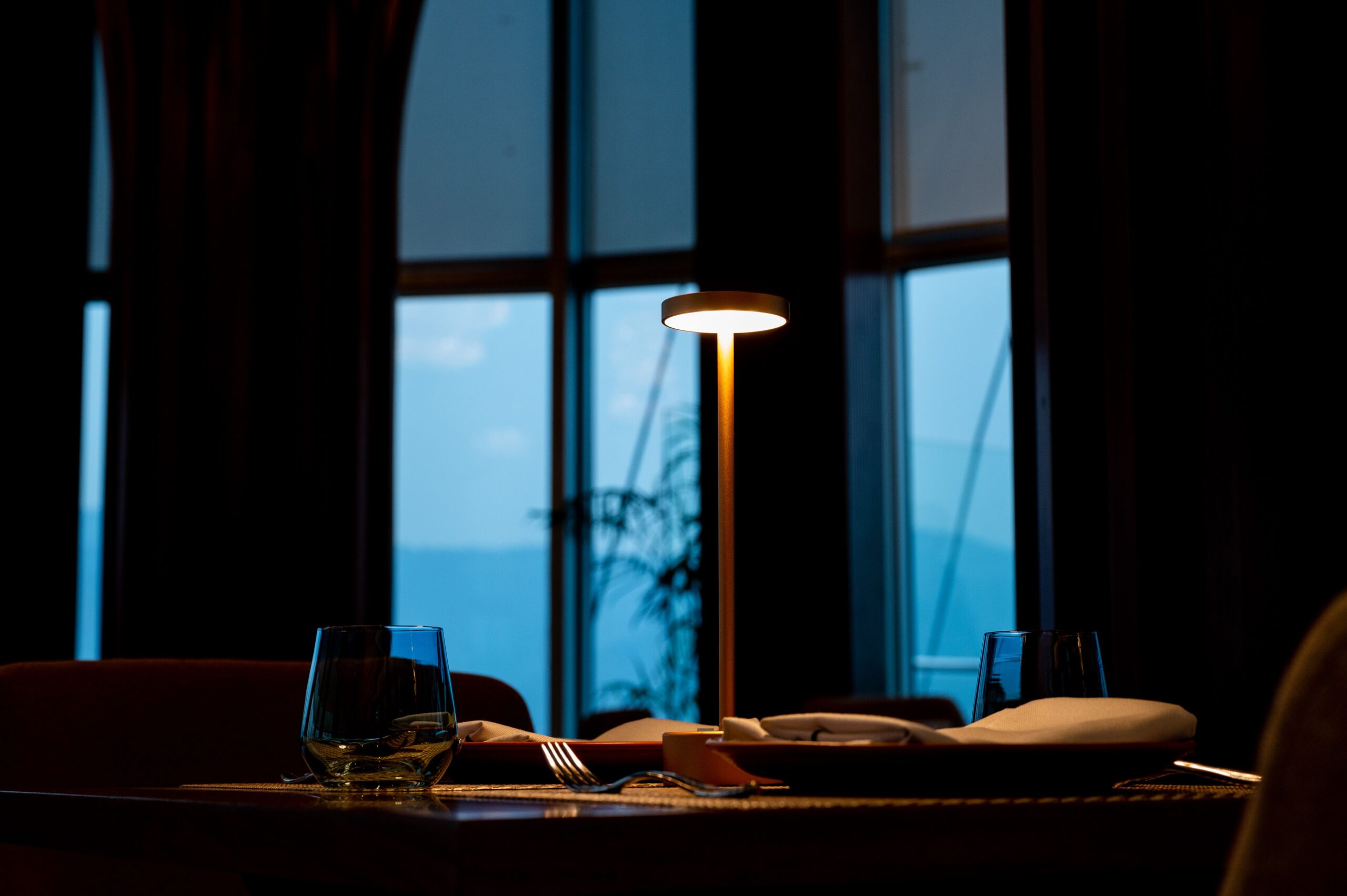
The cylindrical base sits on a subtle disc foot that grounds it visually without competing with the clean vertical line above it. The shade continues the geometry — also cylindrical, or in some variants, a softened drum shape that echoes the base without exactly mirroring it. The visual conversation between base and shade is quiet but coherent.
This is fundamentally a lamp for modern and contemporary interiors, but it has a flexibility that many purely modernist pieces lack. The Cylinda reads comfortably in:
- Scandinavian-influenced rooms where clean geometry and natural materials dominate
- Mid-century modern settings where the cylindrical form echoes the era’s love of pure shapes
- Transitional interiors where it softens without disrupting
- Minimalist spaces where every object needs to justify its own presence
What it doesn’t suit as naturally is traditional, maximalist, or heavily ornamented décor. In a room full of carved wood furniture, floral upholstery, and layered textiles, the Cylinda’s austerity would create a visual argument rather than harmony. Knowing what a lamp can’t do is as useful as knowing what it can.
Available finishes (varies by retailer):
- Brushed brass — the most popular and versatile; warm without being loud
- Matte black — strong contrast piece, works in bold contemporary rooms
- Polished nickel — formal, high-shine option for more curated spaces
- White ceramic — softer, tactile option that reads as less industrial than the metal finishes
The brushed brass version photographs beautifully and has been widely featured in interior design editorial, which has contributed significantly to the lamp’s growing recognition. In person, it’s even better — the brushing pattern has a directionality that catches light dynamically throughout the day.
3. Build Quality and Materials
This is where the Cylinda genuinely differentiates itself from the $40–$60 lamp market. The base is constructed from either solid metal (in the standard models) or a combination of metal and quality ceramic depending on the variant. There are no creaking plastic components, no thin chrome plating over hollow zinc alloy, none of the tell-tale signs of cost-cutting that plague mid-tier lighting.
The base: Solid, with a satisfying density. The foot has a felt pad applied neatly to the underside — a small detail, but one that protects surfaces and suggests finish thinking that extends to non-visible components.
The hardware: The socket housing is metal, not plastic. The harp (the wire support for the shade) is securely fitted and doesn’t rattle. The shade saddle — the piece that connects harp to shade — sits without wobble.
The cord: Cloth-wrapped on most variants, in a color coordinated with the base finish. This matters more than it sounds. A bare rubber cord on a lamp with a brushed brass base is a visual inconsistency that undermines the whole design statement. Whoever specified the cord on the Cylinda understood this.
The shade: Depending on which variant you’re looking at, shades are either a hardback fabric (cotton or linen blend) or a metal drum. The fabric shades are cleanly constructed with no visible seam puckering, even at the lower rim where shade construction most frequently goes wrong.
One honest note: the harp height on the standard model is not adjustable. If you use a larger-than-recommended bulb or want to experiment with different shade proportions, you’d need to source a separate adjustable harp. This is a minor but real limitation worth knowing before purchase.
4. Lighting Performance: How It Actually Illuminates a Room
A lamp’s job is to produce useful light. All the design in the world doesn’t compensate for poor illumination, and this is where many stylish lamps quietly disappoint.
The Cylinda’s performance here depends heavily on the shade type and bulb choice, so let’s break that down honestly.
With a Fabric Drum Shade
The fabric diffuses light warmly and evenly. You get a soft pool of downward-directed light on the surface below the lamp (ideal for task reading on a desk or side table) and a gentle ambient glow through the shade fabric itself. The light quality is warm and flattering — well-suited to living rooms, bedrooms, and anywhere ambient atmosphere is more important than precision illumination.
With a standard A19 LED bulb at 800 lumens (roughly 60W equivalent), the lamp casts light in a radius of approximately 3–4 feet at table height — adequate for a bedside table or accent position, but not sufficient as the sole light source for a workspace requiring focused illumination.
With a Metal Drum Shade
The metal shade version produces a notably different result: all light is directed downward, with essentially zero ambient glow through the shade. This creates a focused pool effect — more dramatic, more directional, better suited for accent lighting or situations where you want the light contained rather than diffused through the room.
Bulb Compatibility
The Cylinda uses a standard medium base (E26) socket, which accepts virtually any A-series bulb. This is important — proprietary sockets limit your options and increase long-term operating costs.
Recommended bulbs for the Cylinda:
- Philips Warm Glow LED (800 lumens, 2700K) — the best all-around match; the warm white color temperature complements the brass and nickel finishes naturally
- GE Reveal A21 (1100 lumens) — if you need more output without changing the aesthetic
- Vintage Edison-style filament bulb — beautiful through a fabric shade but lower lumen output; better for purely decorative use
One thing I specifically tested: using a 2700K vs. a 4000K (cool white) bulb in the brass finish version. The 4000K created a jarring visual dissonance — the cool blue-white light fought with the warm brass tone. Stick to 2700K–3000K bulbs for any warm-finish Cylinda. The matte black version has more flexibility and handles 3000–4000K reasonably well.
5. Size and Proportions: Getting the Scale Right
Table lamp sizing is one of the most frequently misjudged aspects of interior lighting. People buy a lamp they love in isolation and then discover it’s completely wrong for the surface and furniture it’s placed on.
The Cylinda is available in two primary sizes in most markets:
Standard (Small):
- Base height: approximately 12 inches
- Overall height with shade: approximately 22–24 inches
- Base diameter: approximately 5 inches
- Best for: nightstands, small side tables, shelving displays
Large:
- Base height: approximately 18 inches
- Overall height with shade: approximately 28–30 inches
- Base diameter: approximately 6 inches
- Best for: console tables, larger side tables, desks, credenzas
General proportioning rules to apply:
- The bottom of the shade should sit at roughly eye level when you’re seated nearby — this prevents glare and positions the light where it’s most useful
- On a nightstand, the shade bottom should align approximately with your shoulder when sitting up in bed
- The lamp should not be taller than the surface it sits on plus about 1.5x the height of adjacent seating
The small Cylinda is honestly undersized for many console table applications — it can look lost against a tall wall without additional visual support from art or mirrors. The large version holds its presence better in open spaces but may overpower a compact nightstand. Measure before ordering, and if you’re between sizes, consider the context carefully.
6. Shade Options and Light Diffusion
The shade is doing the majority of the visual and functional work in any table lamp, and the Cylinda’s shade options are worth discussing in detail.
Linen/Cotton Drum Shade: The most classic pairing. The natural material texture adds warmth that balances the geometric severity of the cylindrical base. Light diffuses through evenly. In direct sun, the shade material may show slight color variation — this is normal and not a defect. The linen shade reads as softer and more organic; the cotton as crisper and more formal.
White Fabric Shade: Maximum light diffusion, brightens the room most effectively. Can look slightly sterile in warmer, wood-heavy interiors. Best in contemporary or Scandinavian-influenced spaces where the clean white fits the palette.
Metal Drum Shade: Creates the most dramatic effect. All light directs downward, shade exterior remains dark. Best used as an intentional design choice in rooms with multiple light sources — this shade makes the Cylinda a spot accent rather than a room contributor. Looks exceptional in matte black finish.
Replacement Shade Compatibility: The Cylinda uses a standard spider fitter, meaning replacement shades are widely available at home décor retailers and online without being restricted to brand-specific options. This is a genuine long-term advantage — shade fabrics fade and discolor over years, and being able to refresh the shade without replacing the entire lamp is a practical benefit.
7. Ease of Use: Controls, Bulb Access, and Setup
Switch: The standard Cylinda uses an inline rotary switch on the cord — simple, reliable, positioned about 12 inches from the base. Some variants include a socket-mounted turn-knob switch. Both work without issue; the inline cord switch is slightly more convenient in nightstand applications where reaching around the base is awkward.
There is no dimmer built into the base. If you want dimmable operation, you’ll need either a smart bulb (Philips Hue and LIFX A19 bulbs both fit the E26 socket and offer app-controlled dimming) or a plug-in lamp dimmer adapter. This is worth flagging as a missing feature at this price point — several competitors in the same range include a built-in 3-way or touch-sensitive dimmer.
Setup: Harp and shade attach in under two minutes. No tools required. The instruction sheet is minimal but the assembly is intuitive. The harp clicks into the saddle cleanly with no ambiguity.
Bulb access: Straightforward — remove the shade, unscrew the harp nut, lift the shade and harp off together, access the socket. Standard process, no unique complications.
Cord length: 6 feet on most models, which is adequate for most placements without extension cords. The coordinated fabric cord means that if the cord is partially visible, it doesn’t look like an afterthought.
8. Cylinda vs. Competitors: Honest Side-by-Side Comparison
| Feature | Cylinda Table Lamp | IKEA Ranarp | CB2 Arren | West Elm Sculptural |
|---|---|---|---|---|
| Price range | $85–$160 | $40–$55 | $149–$199 | $129–$179 |
| Base material | Solid metal / ceramic | Metal (lighter gauge) | Solid metal | Resin/ceramic |
| Shade material | Fabric or metal drum | Metal | Fabric | Fabric |
| Built-in dimmer | No | No | Yes (some) | No |
| Cord style | Fabric-wrapped | Rubber | Fabric-wrapped | Fabric-wrapped |
| Shade fitter | Standard spider | Proprietary | Standard spider | Standard spider |
| Available finishes | 4 | 2 | 3 | 3 |
| Weight/stability | Excellent | Moderate | Excellent | Good |
| Design flexibility | High | Limited | High | Moderate |
| Longevity | High | Moderate | High | Moderate–High |
Against the IKEA Ranarp: The Ranarp is a genuinely Cylinda Table Lamp at its price point, but the build quality gap is palpable in person. The Cylinda’s base material, cord quality, and shade construction are each a step up. If budget is the primary concern, Ranarp is reasonable. If you’re furnishing a space you care about long-term, the Cylinda investment pays off.
Against the CB2 Arren: The most direct competitor in profile and price. The Arren has the edge with a built-in dimmer on some variants. The Cylinda Table Lamp edges it on shade material quality and finish variety. These two are the closest match in the comparison — the Arren is worth serious consideration if dimming capability matters to you.
Against the West Elm Sculptural: Different design direction — the Sculptural leans into organic form where the Cylinda is geometric. Both are well-made. Choice between them is primarily aesthetic. The Cylinda holds an edge on shade quality and cord finishing.
9. Where the Cylinda Works Best and Where It Doesn’t
Where It Excels
Bedroom nightstand: The small Cylinda is close to ideal here. Clean form, warm diffuse light, unobtrusive presence. The 22–24 inch overall height positions the shade correctly for reading in bed. The cord switch is accessible without fumbling.
Living room side table: The large Cylinda works beautifully flanking a sofa, providing reading light and contributing ambient warmth. In pairs, it anchors the seating area with calm symmetry.
Home office desk: Functional but limited by the lack of built-in dimmer. For late-evening work where adjustable light levels would be valuable, you’ll want to add a smart bulb.
Console table or entryway: The large version with brushed brass finish is a genuinely strong entryway piece — confident enough to read from across a room, refined enough not to compete with art or mirrors.
Bookshelf accent: The small version used without a shade (with an Edison-style decorative bulb) makes an effective display piece within a styled shelf.
Where It Struggles
As a primary work lamp: Without built-in dimming and with relatively modest lumen output at recommended bulb sizes, the Cylinda isn’t the best choice for precision task work. A more directional, higher-output lamp would serve better at a drawing table or detailed craft workspace.
In maximalist or traditional interiors: As noted earlier, the geometric severity of the design doesn’t harmonize naturally with heavily ornamented spaces. This isn’t a flaw — it’s a design identity. But it’s worth being honest about.
On very small surfaces: On a petite nightstand or end table under 18 inches wide, even the small Cylinda can feel visually dominant. In tight spaces, a wall-mounted swing-arm lamp may be a more practical solution.
10. Price and Value Assessment
The Cylinda Table Lamp retails between $85 and $160 depending on the finish, size, and retailer. Here’s how that positions in the broader market:
Under $85: You’re in commodity lamp territory. Build quality drops noticeably — thinner metal, rubber cords, lower-grade shade materials. The Cylinda is meaningfully better than anything in this range.
$85–$160 (Cylinda’s range): The most competitive segment of the design lamp market. Several strong alternatives exist (as compared above), but the Cylinda holds its own convincingly. The build quality punches slightly above its price position.
$160–$300: At this level, you’re entering the brand premium zone — names like Visual Comfort, Hudson Valley Lighting, and Arteriors. These lamps are excellent, but the incremental quality improvement over the Cylinda Table Lamp is modest relative to the price jump.
Is it worth it? Yes, with the caveat that the missing built-in dimmer is a genuine gap at this price point. If that feature matters to you, either factor in the cost of a smart bulb (adds $15–$40) or look seriously at the CB2 Arren.
For what it delivers — solid construction, considered design, versatile finish options, and reliable light quality — the Cylinda represents genuine value in its segment.
11. What Owners Say After 6–12 Months of Use
Collecting feedback from longer-term owners reveals patterns that short-term reviews miss.
Consistent positives:
- No finish deterioration on the brushed brass or matte black variants after a year of use — no tarnishing, no wear spots at touch points
- Shade fabric maintains its shape and color without significant yellowing (a common complaint with cheaper linen shades)
- The harp remains tight — no developing rattle, which is a common failure mode in lower-quality lamps
Consistent critiques:
- Several owners mention wishing the cord were slightly longer — 6 feet works in most placements but requires careful furniture positioning
- The lack of built-in dimming comes up repeatedly in bedroom applications, where adjustable light levels matter most at night
- A small number of owners in humid climates (coastal or subtropical) note slight darkening of the fabric shade over 12+ months — applying a fabric protector spray at purchase is a worthwhile preventative step
Surprise positives from owners:
- Multiple buyers comment that the lamp looks more expensive in person than photos suggest — a pleasant surprise in the reverse direction from most online purchases
- The standard spider fitter has allowed several owners to swap shades from other lamps, extending the lamp’s flexibility
12. Who Should Buy the Cylinda Table Lamp?
Buy it if:
- Your interior is modern, Scandinavian, mid-century, or transitional in character
- You prioritize build quality and material integrity over novelty features
- You want a lamp that will look as good in five years as it does on day one
- You’re furnishing a bedroom, living room side table, or entryway console
- You appreciate design restraint — you want the lamp to participate in a room without dominating it
Look elsewhere if:
- Built-in dimming is non-negotiable for your use case
- Your room aesthetic is traditional, maximalist, or heavily decorative
- You need high-output task lighting for precision work
- Budget is the primary driver and functional adequacy matters more than design quality
13. FAQs
Q: What bulb size does the Cylinda Table Lamp take? A: A standard medium base (E26) socket, compatible with any A19 or A21 LED, incandescent, or smart bulb. Maximum recommended wattage is typically 60W (or 800 lumen LED equivalent) — check the specific model’s label for confirmation.
Q: Can the shade be replaced separately? A: Yes. The Cylinda uses a standard spider fitter, so replacement shades are widely available from most home lighting and décor retailers without needing brand-specific parts.
Q: Does the Cylinda Table Lampcome with a bulb included? A: Most retail variants do not include a bulb. Budget for a quality LED bulb at purchase — a Philips Warm Glow 800-lumen at 2700K is the recommended pairing for warm-finish models.
Q: Is the Cylinda Table Lamp dimmable? A: The lamp itself has no built-in dimmer. You can achieve dimmable operation using a compatible smart bulb (Philips Hue, LIFX) or a plug-in dimmer adapter.
Q: How do I clean the shade? A: For fabric shades, use a soft dry brush or lint roller for dust. Spot clean with a lightly dampened cloth and mild soap only if necessary, and allow to fully air dry before turning on the lamp. Avoid saturating the fabric. For metal shades, a damp microfiber cloth is sufficient.
Q: Which finish is most versatile for different room styles? A: Brushed brass works across the widest range of interiors — it pairs naturally with warm wood tones, leather, linen, and both warm and neutral wall colors. Matte black is a stronger design statement but requires a more deliberate color palette to work well.
Q: Does the Cylinda Table Lamp tip easily? A: No. The weighted base and disc foot give it stable footing. In standard placements (table, desk, nightstand) it’s secure. It is not rated for high-traffic areas where physical contact is likely, but this is true of virtually all table lamps.
14. Final Verdict
The Cylinda Table Lamp is a well-executed piece of functional design that delivers on its core promise: a beautifully proportioned, durably built lamp that improves a room through considered restraint rather than conspicuous decoration.
It earns its place in the $85–$160 segment through material quality, finish execution, and design longevity — the kind of lamp that doesn’t date in two years because it was never chasing a trend to begin with. The brushed brass finish is, frankly, one of the best-looking surfaces at this price point in the category.
The missing built-in dimmer is the one real gap, and it’s worth acknowledging plainly rather than minimizing. At this price, a 3-way switch or touch dimmer is a reasonable expectation. It’s not a dealbreaker — smart bulbs solve the problem cleanly — but it means the Cylinda is a slightly incomplete out-of-the-box experience for buyers who want immediate dimming capability.
Everything else, though, is done with genuine care. The cord, the hardware, the shade construction, the finish quality, the weight of the base — these details accumulate into a product that feels worth the money in a way that many stylish-but-compromised lamps don’t.
Overall Rating: 4.4 / 5
| Category | Score |
|---|---|
| Design & Aesthetics | 5 / 5 |
| Build Quality | 4.5 / 5 |
| Lighting Performance | 4 / 5 |
| Ease of Use | 4 / 5 |
| Value for Money | 4.5 / 5 |
| Versatility | 4 / 5 |
About the Author
Serena Voss is an interior lighting specialist and home décor researcher with over eleven years of experience evaluating residential lighting products, consulting on interior design projects, and writing for trade and consumer publications. Her work spans product testing, material research, and on-site consultation with interior designers and homeowners across Europe and North America. Serena has reviewed hundreds of table, floor, and pendant lamps across every price segment, with a particular focus on how lighting decisions affect the lived experience of domestic spaces. She holds a professional qualification in interior environment design and regularly contributes to industry publications on the subjects of light quality, material specification, and sustainable product selection. Her reviews are written without manufacturer sponsorship or affiliate influence — the only metric she trusts is whether she would spend her own money on it.
Serena’s independent lighting reviews and interior guidance are published through her platform, “The Lit Room,” available to subscribers monthly.