



By Marcus Elliot | Glassware Researcher & Craft Beverage Specialist | Tulip Glass
1. Why the Glass You Drink From Actually Matters
There’s a moment I remember clearly from a craft beer festival in Edinburgh a few years back. A brewer handed me the same Belgian tripel in two different vessels first a standard pint glass, then a proper tulip. The pint glass version was pleasant enough. But the tulip? It was like tasting a different beer entirely. The aroma bloomed, the carbonation felt more refined, and the flavor lingered longer on the finish.
That experience changed the way I thought about glassware. Most people treat it as decoration or habit. Serious drinkers — whether beer enthusiasts, whisky aficionados, or even dedicated tea or cider drinkers know it’s actually functional design.
The tulip glass sits at the intersection of elegance and engineering. It’s not just a pretty shape on your shelf. It’s a purposefully designed vessel that coaxes aroma, manages carbonation, and guides liquid precisely to your palate. Understanding what it does, how it works, and when to use it can genuinely transform your drinking experience.
This guide is built for anyone who has ever wondered whether glassware makes a difference — and for those who already know it does but want to go deeper.
2. What Exactly Is a Tulip Glass?
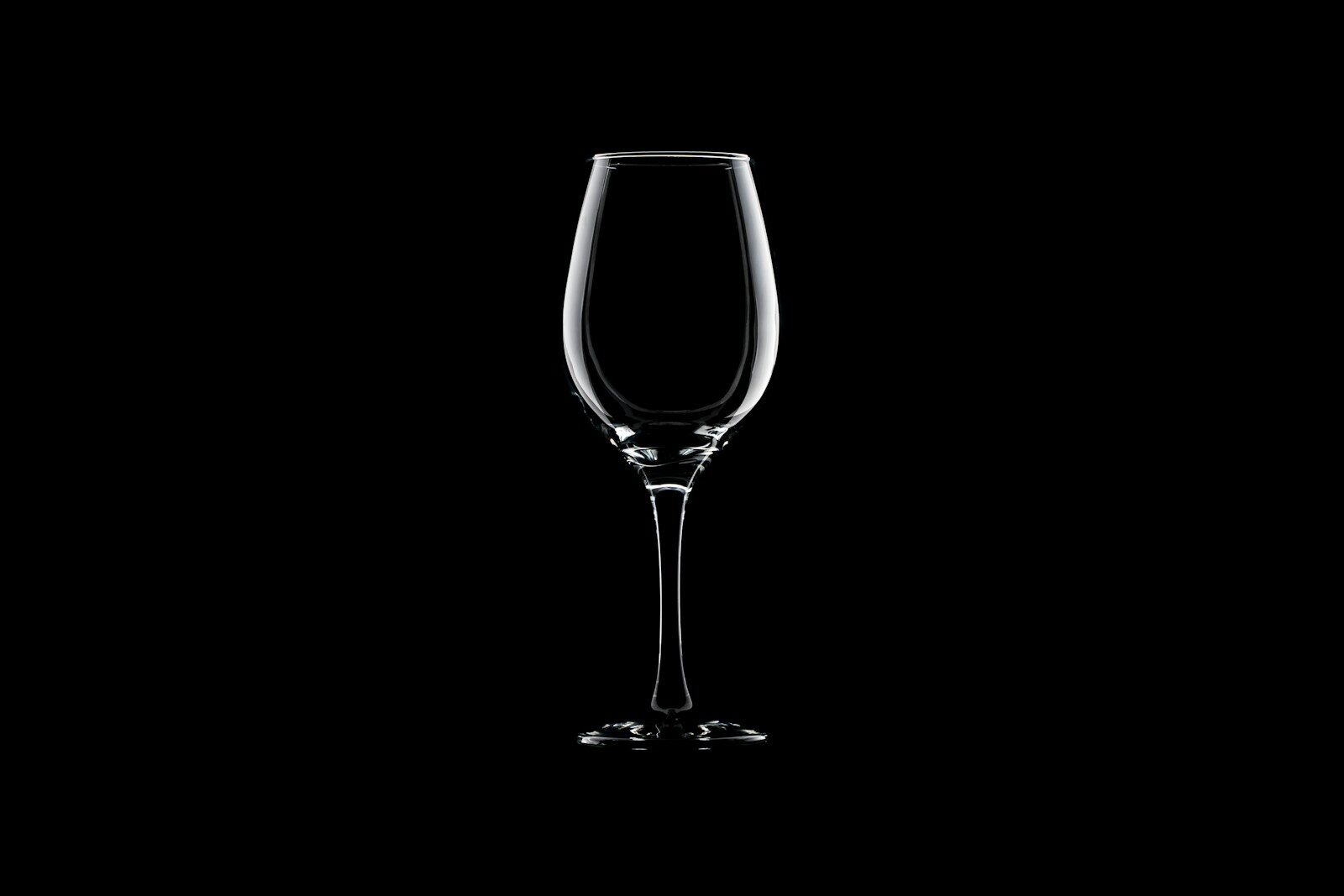
At its most basic, a tulip glass is a stemmed glass with a bulbous lower body that flares inward before opening outward again at the rim. That inward curve — the “waist” — is what distinguishes it from a goblet or a simple flared pint. The shape mimics, loosely, the silhouette of a blooming tulip flower, which is where the name originates.
But the design isn’t aesthetic whimsy. Each curve serves a purpose:
- The wide lower bowl gives the liquid room to move, encouraging the release of volatile aromatic compounds
- The inward taper concentrates those aromas upward, funneling them toward the nose
- The outward flare at the rim controls where the liquid first contacts your tongue, directing it toward the front or middle of your palate
This three-part geometry is deceptively sophisticated. A tulip glass essentially acts like a small aromatic chamber. Pour a complex beer or spirit into one and you’re creating a microenvironment where everything about the sensory experience is being quietly managed.
The stem matters too. Like a wine glass, the stem keeps your hand away from the bowl, preventing your body heat from warming the liquid prematurely. This is especially relevant for Belgian ales, Scottish IPAs, and certain whiskies that are best served at cellar temperatures.
3. The Anatomy of a Tulip Glass: Breaking Down the Shape
Let’s look more carefully at the structural components and what each one actually contributes.
The Bowl
The bowl is the main body — rounded, wide, typically holding anywhere from 12 to 20 ounces depending on the style. In a classic tulip, the bowl’s widest point sits roughly in the lower-middle third of the glass. This creates maximum surface area for the liquid at its widest point, promoting aromatic volatilization — meaning the aromatics escape more readily into the headspace above.
The Waist (The Defining Feature)
This is the architectural signature of the tulip. The glass narrows noticeably above the bowl’s widest point, then opens again toward the lip. This shape does two things simultaneously: it traps aromatic compounds in the headspace (they can’t easily escape past the pinched point), and it forces you to tilt the glass back to get a full sip, which controls the delivery of liquid to your palate.
The Lip Flare
The outward flare at the top of the rim serves as the pour control mechanism. It pushes liquid toward the sides and tip of the tongue rather than the back, which means bitterness — detected at the back and sides — is introduced more gradually. For hoppy or roasted beers, this matters enormously.
The Stem and Base
Not all tulip glasses are stemmed; some are footed (a thick base without a distinct stem). Stemmed versions are more traditional for serving Belgians and aromatic beers. Footed versions are more casual and harder to knock over — a practical trade-off without sacrificing the bowl geometry.
4. Tulip Glass Styles: Not All Tulips Are Created Equal
Over decades of glassware evolution, several distinct tulip styles have emerged, each with slightly different proportions suited to specific beverages.
The Classic Belgian Tulip
The archetype. Tall, moderately wide bowl, pronounced waist, modest lip flare. Volume typically ranges from 250ml to 500ml. Used by virtually every Belgian brewery for their ales. Chimay, Orval, and Duvel have all produced iconic branded versions of this glass, each subtly tuned to their flagship beers.
The Thistle Glass
Technically a Scottish variation of the tulip, the thistle glass has a more elongated shape and a wider, more dramatic flare at the top. The resemblance to the Scottish national flower is intentional. It’s the vessel of choice for Scottish ales, Wee Heavies, and certain Scottish IPAs. The thistle provides more headspace than the classic Belgian tulip, which suits the earthier, more complex malt profiles of Scottish brews.
The Nonic Tulip
A hybrid shape that borrows from the British nonic pint but incorporates a soft tulip curve. Less elegant than the classic Belgian but more practical in commercial settings — the slight outward bump near the rim prevents glasses from sticking together when stacked. Widely used in pubs across the UK for premium ales and craft lagers.
The Snifter-Tulip Hybrid
A shorter, more squat version that sits closer to a brandy snifter in profile but retains the tulip’s defining waist. These are becoming popular for serving barrel-aged beers, imperial stouts, and even single malt whiskies. The shorter profile and smaller volume (typically 6–10 oz) allows for full concentration of intensely aromatic pours.
The Modern Craft Tulip
The newer generation of tulip glasses produced by brands like Spiegelau, Rastal, and Riedel have pushed the design further. Thinner walls, laser-cut rims (rather than rolled), and more precisely calculated proportions. Spiegelau’s IPA glass, for instance, incorporates a ribbed base that nucleates carbonation, adding an active element to the experience. These glasses are expensive but genuinely noticeable in use.
5. What Beverages Benefit Most From a Tulip Glass?
Belgian and Abbey Ales
The natural home. Tripels, dubbels, saisons, and gueuzes all sing in a tulip. The complex esters and phenols produced during Belgian fermentation need space to unfurl, and the tulip provides exactly that.
IPAs and Double IPAs
Hoppy beers with complex aromatic profiles — citrus, pine, tropical fruit — benefit enormously from the tulip’s aromatic concentration. Many craft breweries now specifically recommend or design around tulip shapes for their hop-forward offerings.
Scottish and English Strong Ales
The heavier malt profiles, notes of toffee, dried fruit, and sometimes peat, are better appreciated when concentrated and delivered with control. The tulip handles these gracefully.
Barrel-Aged and Imperial Stouts
High-ABV, intensely aromatic beers that need careful management. A wide-bowled tulip with a narrowing waist concentrates vanilla, bourbon, oak, and roast notes effectively.
Whisky (Scotch and Irish)
The Glencairn glass — the de facto standard for whisky tasting — is technically a variation on the tulip concept. Its inward curve concentrates ethanol at the top of the headspace, so the nose gets the aromatics before it gets the alcohol burn. Many professional nosing competitions have shifted entirely to tulip-derived vessels.
Hard Cider and Perry
Craft ciders with complex apple, pear, and fermentation aromatics benefit visibly from a tulip. The vessel elevates them from casual refreshment to a serious tasting experience.
Aromatic Cocktails
Bartenders at higher-end establishments have begun using wide tulip glasses for spirit-forward, aromatic cocktails. A Negroni Sbagliato or a complex mezcal cocktail, for instance, takes on a different dimension when served in a vessel designed to amplify rather than diffuse.
6. Tulip vs. Snifter vs. Goblet: Honest Side-by-Side Comparison
| Feature | Tulip Glass | Snifter | Goblet |
|---|---|---|---|
| Rim shape | Outward flare | Inward taper | Straight or slight flare |
| Aromatic concentration | Excellent | Very good (for spirits) | Moderate |
| Carbonation retention | Good | Poor | Moderate |
| Head retention | Good | Poor | Good |
| Palate delivery control | Excellent | Good | Limited |
| Best for | Ales, craft beer, whisky | Brandy, barrel-aged beer | Belgian ales, hefty beers |
| Visual elegance | High | High | High |
| Practicality | Good | Moderate | Good |
| Price range | $8–$60+ | $8–$40 | $6–$35 |
Verdict: The tulip outperforms the snifter for anything carbonated because the snifter’s completely inward rim traps too much CO₂ and creates an uncomfortable nose experience. For still spirits, a snifter is comparable or slightly superior. Goblets offer a similar aromatic experience to tulips but lack the precise palate delivery of the tulip’s flared rim.
7. The Science Behind Why Shape Affects Taste
This isn’t marketing mythology — there’s genuine sensory science behind glassware design.
Olfactory delivery: Approximately 70–80% of what we perceive as “taste” is actually smell. The volatile aromatic compounds released above your drink travel through your retronasal passage — the connection between your mouth and your nose — when you sip. The tulip’s inward waist concentrates these volatiles in the headspace, meaning your nose is bathed in aromatics before the liquid even reaches your lips.
Palate mapping: The old “tongue map” — the idea that different taste zones are rigidly fixed to sweet-front, bitter-back — has been largely revised. But the delivery angle of liquid does influence which receptors are most activated first. A glass that tilts your head back more (like the tulip’s outward flare requires) delivers liquid to the front and middle of the tongue before the back, which means bitterness is perceived slightly later and less intensely than in a glass that delivers liquid more vertically.
Temperature management: The stem physically separates your hand’s heat from the liquid. Research on temperature’s effect on flavor perception consistently shows that warmer temperatures amplify certain esters and attenuate others. A properly stemmed tulip lets you manage this with precision.
Carbonation behavior: The internal geometry of the bowl influences how CO₂ nucleates and rises. Wider, curved surfaces slow the release of carbonation compared to narrow cylindrical glasses. This means bubbles in a tulip are finer and more sustained — affecting mouthfeel and head persistence.
8. Choosing the Right Tulip Glass: Practical Buying Guide
For everyday craft beer drinking: Spiegelau’s Craft Beer Tasting Kit or Rastal’s Teku glass (a popular choice among homebrewers and craft beer enthusiasts) — both offer excellent quality at reasonable price points ($15–$25 per glass).
For whisky nosing: The Glencairn glass remains the gold standard at under $15. If you want something more formal, the Riedel Malt Whisky tumbler (technically a tulip variant) is exceptional.
For Belgian ales: Seek out brewery-specific glasses when possible. Chimay, Duvel, and Orval all sell or include branded tulip glasses that are genuinely calibrated to their beers. For a versatile option, the Libbey Belgian Beer Glass ($10–$15) performs well above its price.
For serious entertainers: Riedel and Zalto produce handblown crystal tulip glasses that are revelatory in use but fragile and expensive ($40–$80+). These are conversation pieces as much as functional vessels.
Key things to look for:
- Wall thickness: thinner is better for sensory performance
- Rim finish: laser-cut rims are smoother and more precise than machine-rolled edges
- Stem height: taller stems offer better temperature control but reduce stability
- Dishwasher safe: worth checking — many crystal glasses are hand-wash only
9. Caring for Your Tulip Glasses
Good glassware deserves proper care.
Washing: Handwashing with warm water and unscented soap is ideal for fine glasses. Avoid dishwashers for crystal — the high heat and harsh detergents cause micro-etching over time, which dulls clarity and creates nucleation points that disrupt carbonation.
Drying: Air dry when possible, or use a lint-free glass cloth. Paper towels leave fibers. Any residue — soap, oils from food, even traces of detergent — affects head retention and aroma.
Storage: Store tulip glasses upright rather than inverted on a shelf. Storing them rim-down can trap odors inside and cause chips on the rim. If storing in a cabinet, ensure there’s no risk of them touching and chipping each other.
The Beer Clean Test: A truly clean beer glass is called “beer clean.” Fill it with water, empty it quickly, and check whether the water sheets evenly off the sides or beads up. Beading means residual oils or soap. A beer clean glass sheets evenly. This matters more than most people realize.
10. Common Mistakes People Make With Tulip Glasses
Using the wrong size. A 500ml tulip for a 330ml Belgian strong ale leaves too little headspace and too much wasted bowl. Match your glass volume to your pour volume, leaving roughly 20–30% empty for aromatics to gather.
Serving too cold. Complex ales served at refrigerator temperature (below 38°F/3°C) have their aromatics largely suppressed. Most Belgian ales and Scottish strong ales are best between 45–55°F (7–13°C). Let them warm for 5–10 minutes before drinking.
Skipping the rinse. Rinsing your glass with cold water before pouring removes any dust, detergent residue, or storage odors and chills the glass slightly. A 5-second rinse noticeably improves results.
Over-pouring. The tulip’s design assumes a reasonable amount of headspace. Filling it to the brim eliminates the concentrated aromatic zone and often results in overflow when carbonation is released.
Holding the bowl. Even in casual settings, try to use the stem. Your body heat warms the liquid faster than you’d expect — particularly problematic with 6–8% ABV Belgian ales, where temperature shift dramatically affects flavor.
11. Expert Opinions and Emerging Trends
The tulip glass has moved well beyond the specialty beer market. Master distillers, mixologists, and even tea sommeliers are exploring tulip-derived vessels. Whisky producers like Glenfarclas and The Dalmore have partnered with glassmakers to produce bespoke nosing glasses with tulip geometry. Several high-end cocktail bars in London, Tokyo, and New York are using wide-bodied tulips for aromatic serves.
The Teku glass — developed by glassware designer Rastal and Italian beer sommelier Mauro Pellegrini — represents one of the most thoughtfully evolved modern tulip forms. Its angled bowl and longer stem have made it a favorite among serious craft beer drinkers and competition judges globally.
Looking forward, the integration of active carbonation features (like nucleated bases that create continuous streams of bubbles) into tulip shapes will likely become standard in premium glassware. There’s also growing interest in temperature-responsive glass materials that indicate serving temperature through subtle color change — a novelty today, but potentially practical within the next decade.
The broader trend is clear: glassware is being treated with the same seriousness as the beverages themselves, and the tulip — with its elegant balance of form and function — is at the center of that movement.
12. FAQs
Q: Can I use a tulip glass for wine? A: You can, but it’s not ideal. Wine glasses are specifically designed for their respective varietals. A tulip glass would work reasonably for a full-bodied red if you have nothing else, but you’d miss some of the precision a proper wine glass provides.
Q: What’s the difference between a tulip glass and a chalice? A: A chalice (or goblet) has a wide, open bowl without the inward taper. It shares the tulip’s wide lower bowl but lacks the waist and rim flare. Chalices are more forgiving but less precise in aromatic delivery.
Q: Are expensive tulip glasses actually better? A: Yes, within limits. Thinner walls and laser-cut rims meaningfully improve sensory experience. A $40 Riedel tulip performs noticeably better than a $8 basic version. Beyond $60–80, you’re largely paying for prestige and aesthetics.
Q: How many tulip glasses do I need? A: Start with four. That gives you enough for a small gathering and covers most occasions.
Q: Is the Glencairn technically a tulip glass? A: Functionally, yes. It uses tulip geometry — a wide bowl, an inward taper, and a small outward flare. It’s a specialized, short-stemmed tulip optimized for whisky nosing. The whisky world just developed its own vocabulary for it.
Q: Do tulip glasses work for non-alcoholic beverages? A: Absolutely. Craft sodas, kombucha, sparkling water with botanicals, and complex non-alcoholic beers all benefit from the tulip’s aromatic concentration. The glass doesn’t care what’s in it — the physics work regardless.
13. Final Thoughts
The tulip glass isn’t a novelty, and it’s not elitism in disguise. It’s a piece of equipment that, when used correctly, makes genuinely complex beverages more enjoyable and more fully understood. The shape has been refined over generations of brewing culture — in Belgian monasteries, in Scottish distilleries, in the modern craft beer scene — and it encapsulates a lot of accumulated wisdom about how humans experience flavor.
If you currently drink your craft beer from a pint glass out of habit, or your whisky from a tumbler because that’s what came with the bottle, I’d genuinely encourage you to try a proper tulip. Not as a lifestyle statement, but as an experiment. The difference is real and it’s immediate.
Start with something you know well — a favorite Belgian ale, an IPA you’ve had a dozen times — and try it in a tulip. Then go back to the pint glass. The contrast is usually convincing on its own.
Good glassware is one of the most affordable upgrades you can make to your drinking experience. A decent tulip glass costs less than a round at most bars, and it will improve every pour you put through it for years. That’s a compelling return on investment, by any measure.
About the Author
Marcus Elliot is a glassware researcher and craft beverage specialist with over twelve years of experience studying the intersection of vessel design, sensory science, and beverage culture. He has consulted for independent breweries in Scotland, Belgium, and the United States, and has written on topics ranging from fermentation chemistry to the anthropology of drinking vessels across cultures. Marcus holds a postgraduate certificate in Sensory Evaluation from a UK-based food science program and is a certified BJCP (Beer Judge Certification Program) judge. His work focuses on making specialist knowledge about beer, spirits, and fermented beverages accessible to enthusiasts at every level — from the curious newcomer to the seasoned professional. When not writing or judging at competitions, he can usually be found hunting for vintage glassware in antique markets across Europe.
Connect with Marcus via his newsletter, “The Vessel,” which publishes monthly deep dives on glassware, sensory science, and craft beverage culture.